FUJITSU LIFEBOOK E549 RAM upgrade specifications
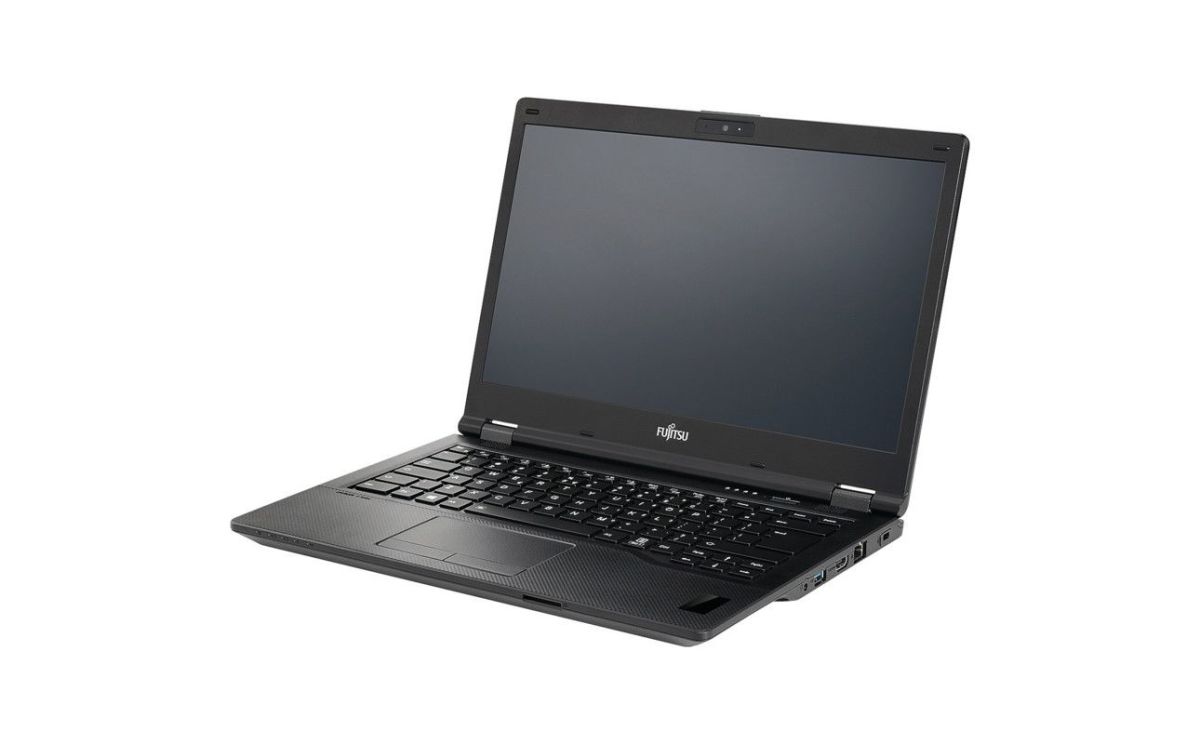
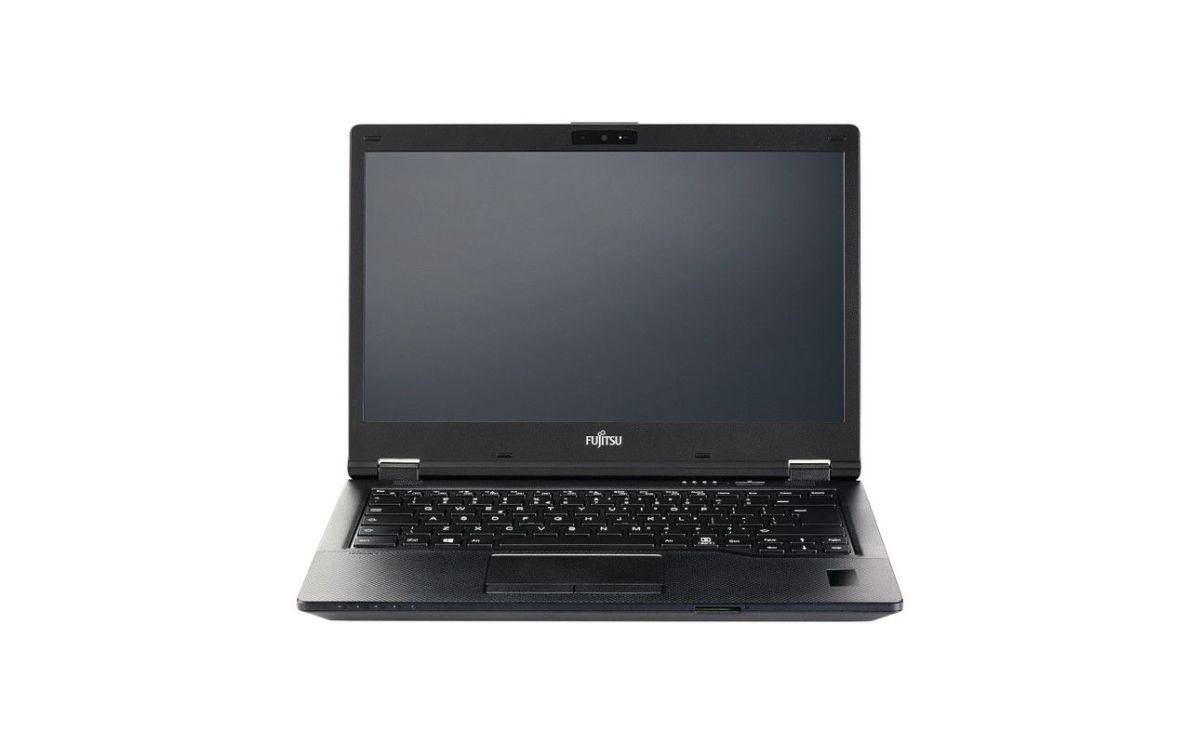
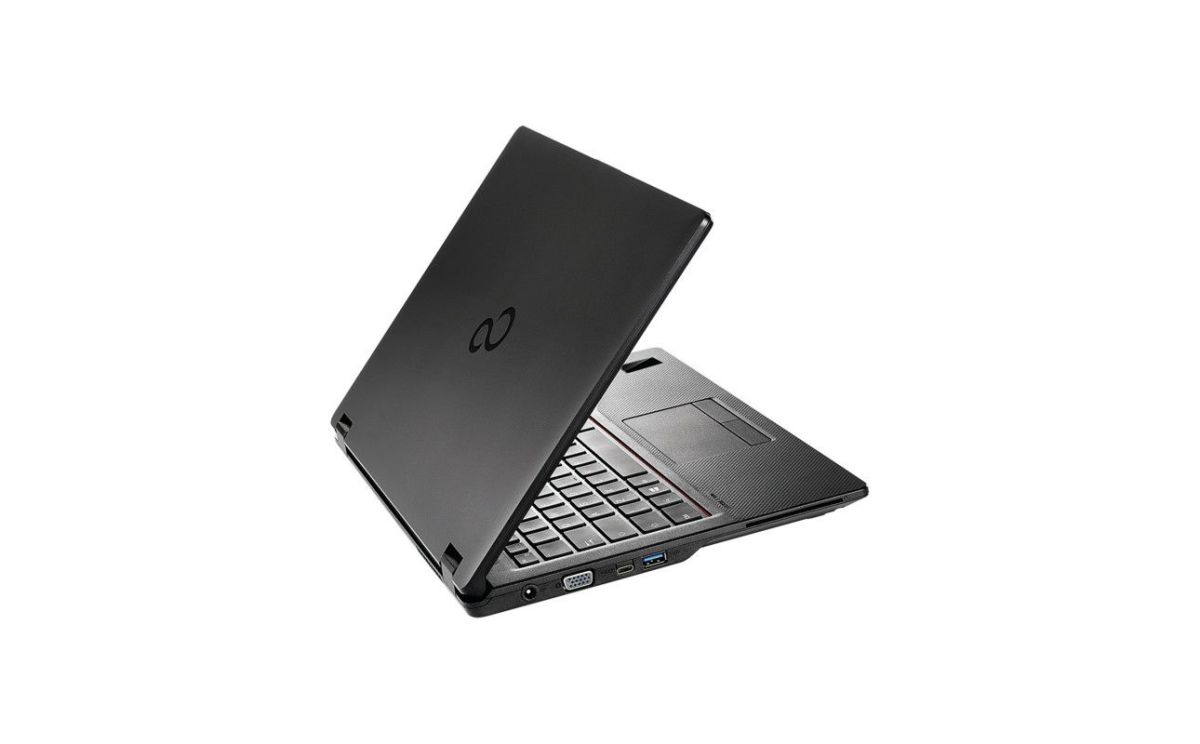
Fujitsu Lifebook E Series E549 supports DDR4-SDRAM memory upgrades through two SO-DIMM slots. Maximum RAM capacity reaches 32 GB, with memory operating at 2400 MHz frequency. Compatible SO-DIMM modules enable memory expansion from factory configurations to specifications supporting enhanced multitasking and application performance. Upgrade slots accommodate standard DDR4 small outline dual in-line memory modules.
Memory Upgrade Specifications
| Specification | Value |
|---|---|
| Memory slots | 2x SO-DIMM |
| Form factor | SO-DIMM |
| Memory type | DDR4-SDRAM |
| Frequency | 2400 MHz |
| Maximum RAM | 32 GB |
| Voltage | 1.2V |
| Number of pins | 260-pin |
| Interface | PC4 |
| PC Speed Rating | PC4-2400 (PC4-19200) |
| Bandwidth | 19.2 GB/s |
| Laptop Release date | 13 May 2019 |
Additional Notes
- The Fujitsu Lifebook E549 requires laptop-sized memory modules rather than desktop components due to SO-DIMM form factor specifications.
- Installing two 16 GB modules enables dual-channel memory operation, which doubles theoretical bandwidth compared to single-module configurations.
- DDR4-2400 timing represents a first-generation DDR4 speed bin, limiting potential performance gains from higher-frequency modules that downclock to match system specifications.
- Both memory slots must remain accessible without keyboard removal, as SO-DIMM installations in business notebooks typically feature bottom panel access doors.
- Mixed-capacity configurations such as 8 GB plus 16 GB maintain dual-channel functionality but force both modules to operate at the smaller module's rank and density parameters.
- The 32 GB ceiling derives from chipset addressing limitations rather than physical slot constraints, making 64 GB configurations incompatible regardless of module availability.
- Non-ECC unbuffered modules represent the only compatible memory architecture, as SO-DIMM slots lack the pin count for registered or error-correcting variants.
- Thermal constraints in 14-inch chassis designs favor DDR4's 1.2V operation over DDR3's 1.5V requirement, reducing heat output during sustained memory access.
- Vendor-neutral modules eliminate compatibility issues associated with proprietary SPD programming, provided JEDEC standard timings remain within specification.
- Memory controller training occurs during POST, automatically detecting installed capacity and configuring appropriate interleaving for optimal bandwidth utilization.