FUJITSU LIFEBOOK E5511 RAM upgrade specifications
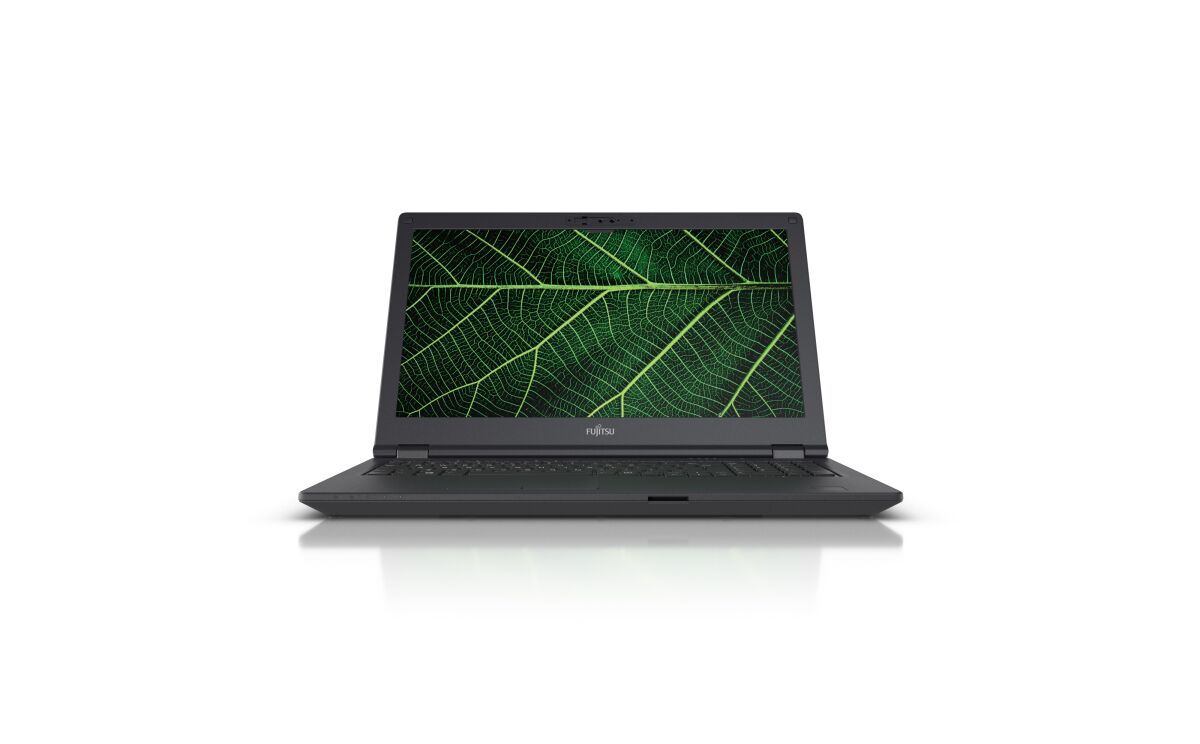
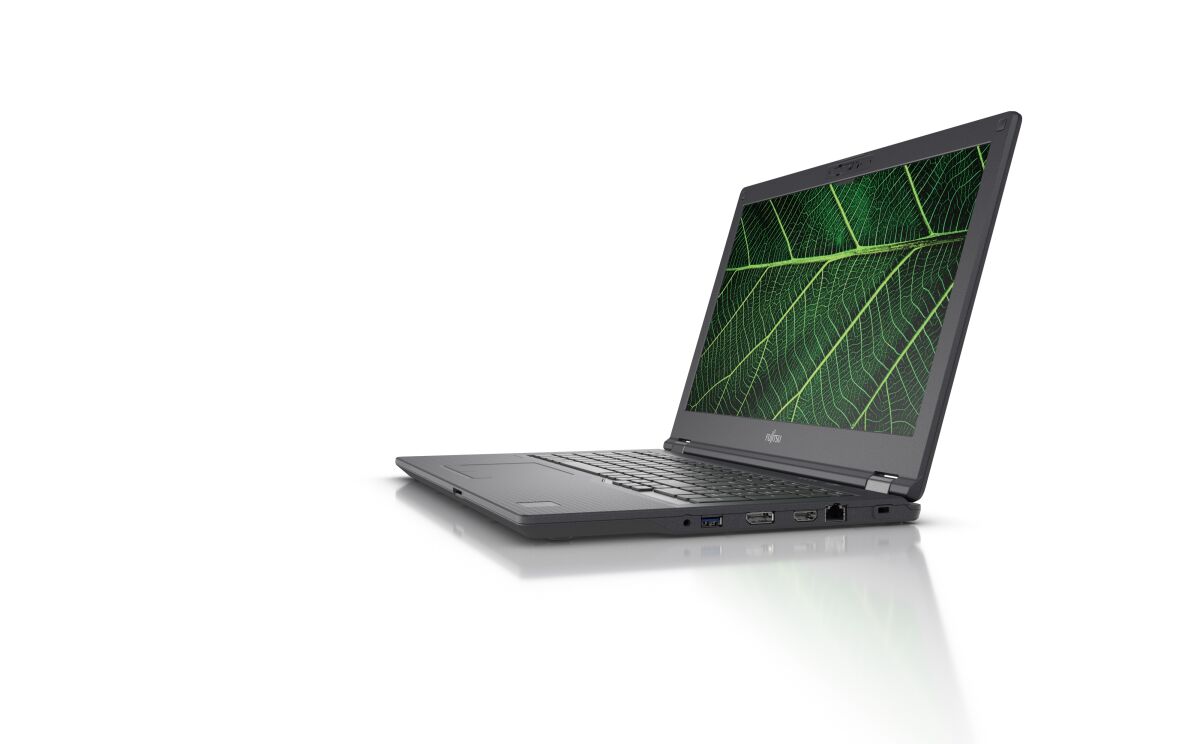
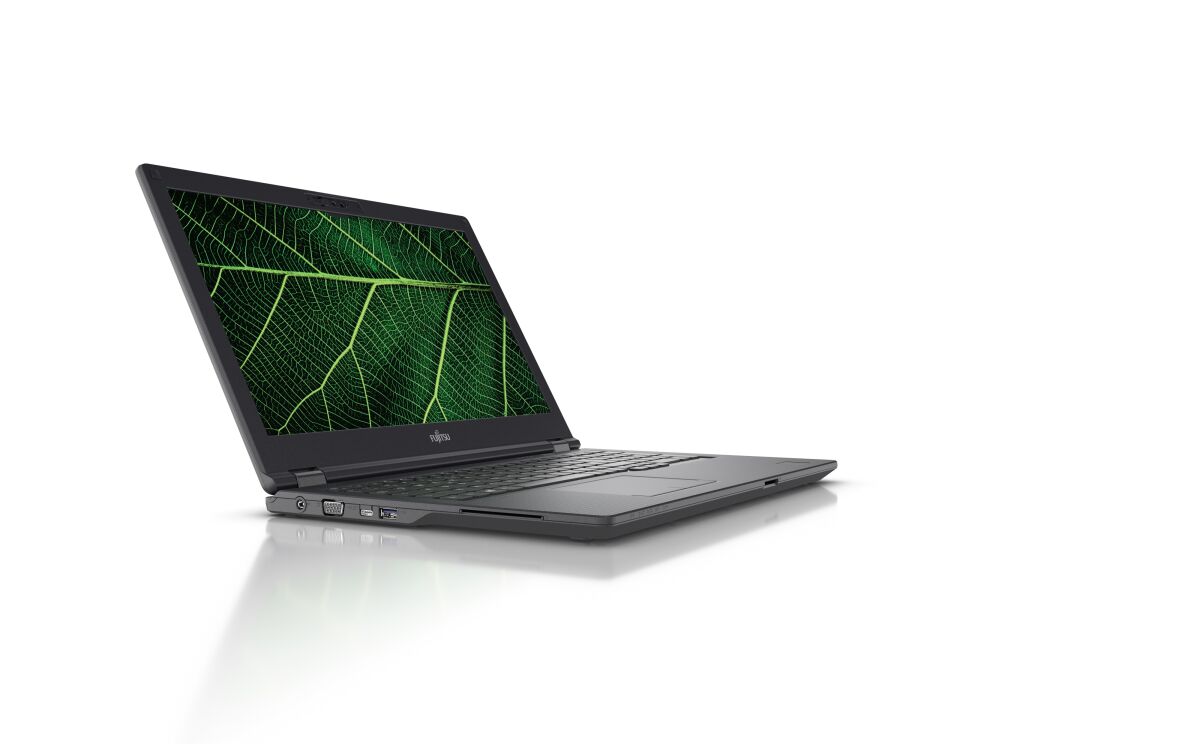
Fujitsu Lifebook E5511 RAM upgrade specifications include DDR4-SDRAM memory compatible with 2x SO-DIMM slots. Maximum supported capacity reaches 64 GB total memory. Memory modules operate at 3200 MHz frequency. Compatible upgrades utilize SO-DIMM form factor. Specifications enable users to expand system memory from factory configuration to maximum 64 GB capacity through SO-DIMM slot installation.
Memory Upgrade Specifications
| Specification | Value |
|---|---|
| Memory slots | 2x SO-DIMM |
| Form factor | SO-DIMM |
| Memory type | DDR4-SDRAM |
| Frequency | 3200 MHz |
| Maximum RAM | 64 GB |
| Voltage | 1.2V |
| Number of pins | 260-pin |
| Interface | PC4 |
| PC Speed Rating | PC4-3200 (PC4-25600) |
| Bandwidth | 25.6 GB/s |
| Laptop Release date | 04 April 2021 |
Additional Notes
- The FUJITSU LIFEBOOK E5511 requires non-ECC unbuffered SO-DIMM modules, as registered or ECC variants would be physically incompatible with the consumer-grade memory controller.
- DDR4-3200 operates at PC4-25600 bandwidth standard, delivering 25.6 GB/s per channel when both slots are populated in dual-channel configuration.
- Single-channel operation occurs when only one slot is occupied, reducing memory bandwidth by approximately 50% compared to dual-channel mode.
- The 64 GB maximum capacity requires 2x 32 GB modules, which must be matched in specifications to avoid stability issues or automatic downclocking.
- Installing modules with different speeds results in all memory running at the lowest common frequency, negating the performance advantage of faster RAM.
- DDR4-3200 modules are backward compatible with lower frequencies, but the system will not exceed 3200 MHz regardless of module capability.
- SO-DIMM slots typically have retention clips on both sides, requiring simultaneous release at approximately 45-degree angles to avoid socket damage during removal.
- Module height clearance is generally non-restrictive in SO-DIMM form factor, though low-profile heat spreaders are recommended to prevent interference with bottom case assembly.
- CAS latency variations between CL20, CL22, and other timings at 3200 MHz produce measurable but minor real-world performance differences in typical productivity workloads.
- Warranty preservation requires using standard-voltage DDR4 modules at 1.2V, as higher-voltage variants may void coverage through electrical stress beyond design parameters.