FUJITSU LIFEBOOK E556 RAM upgrade specifications
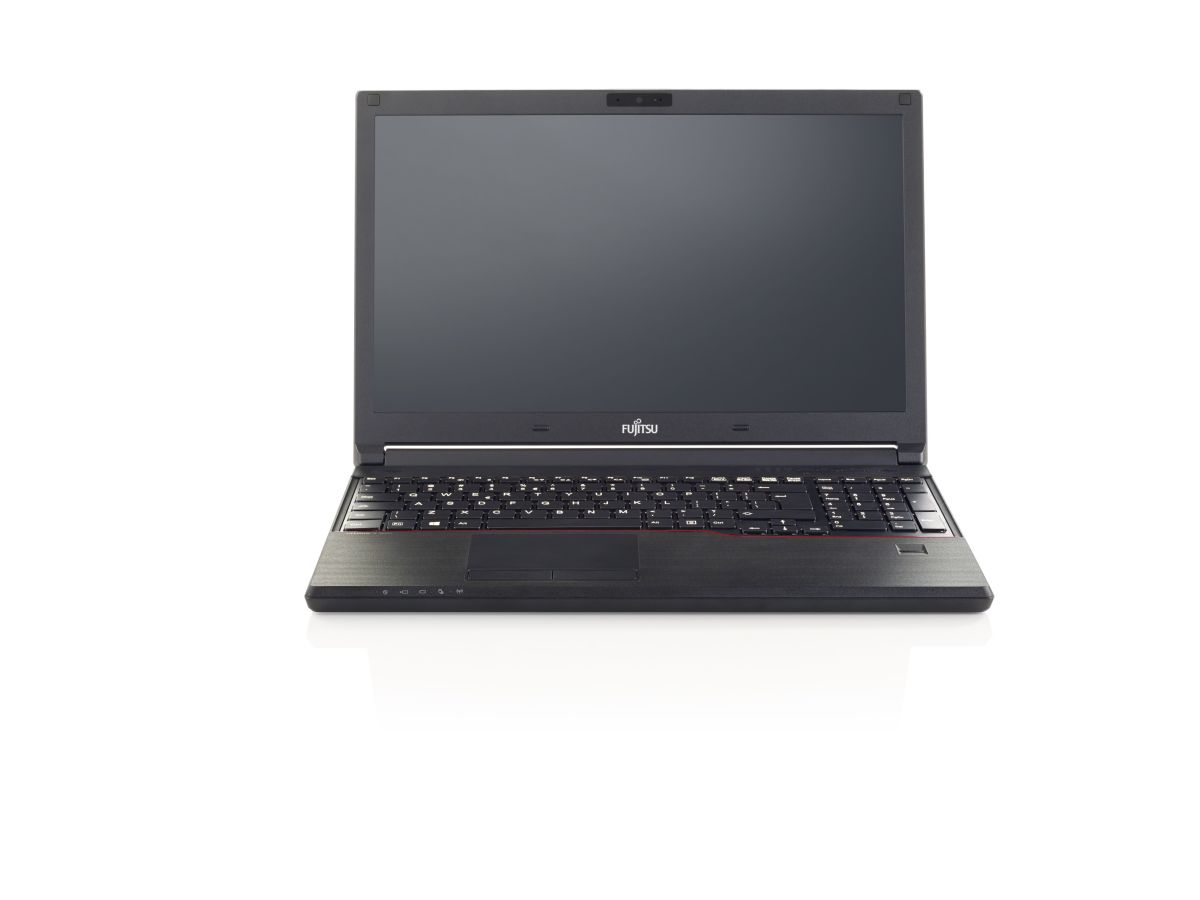
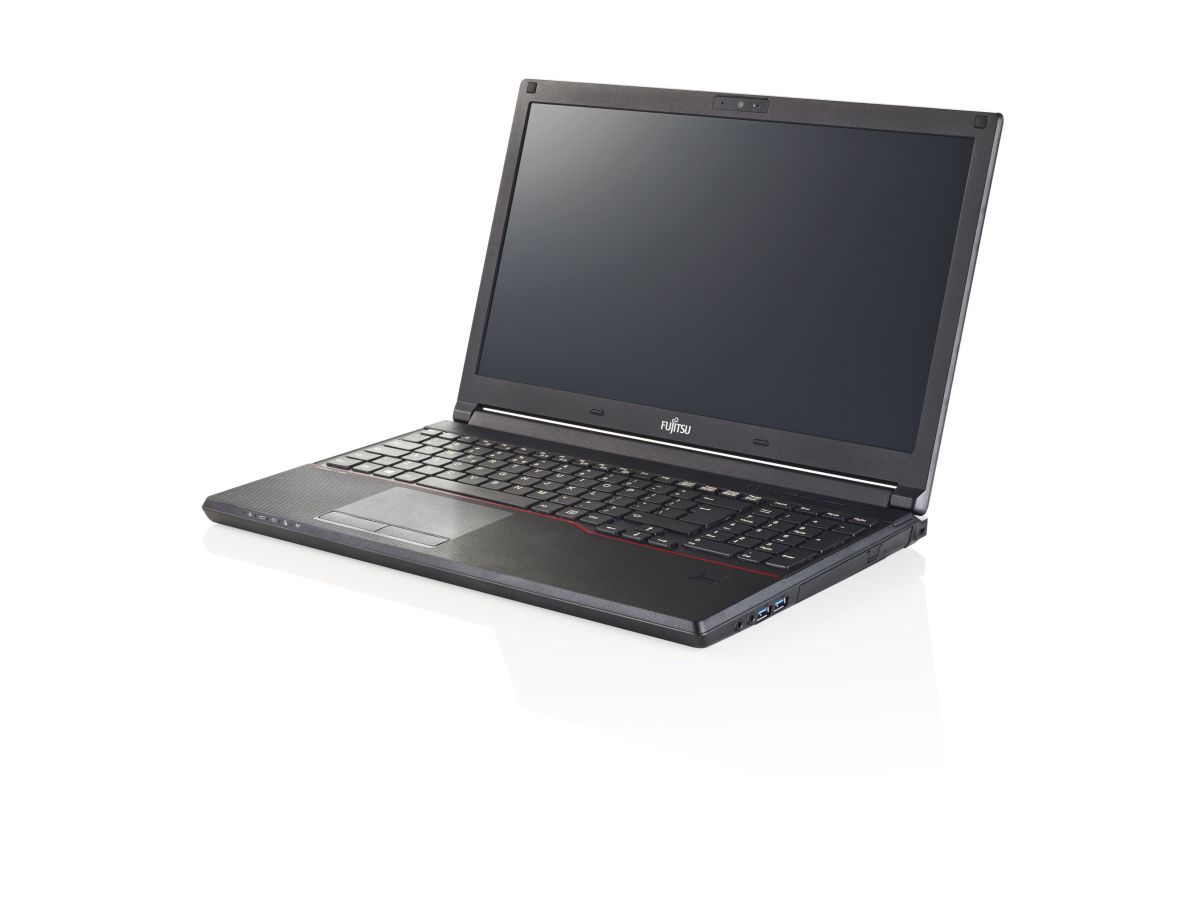
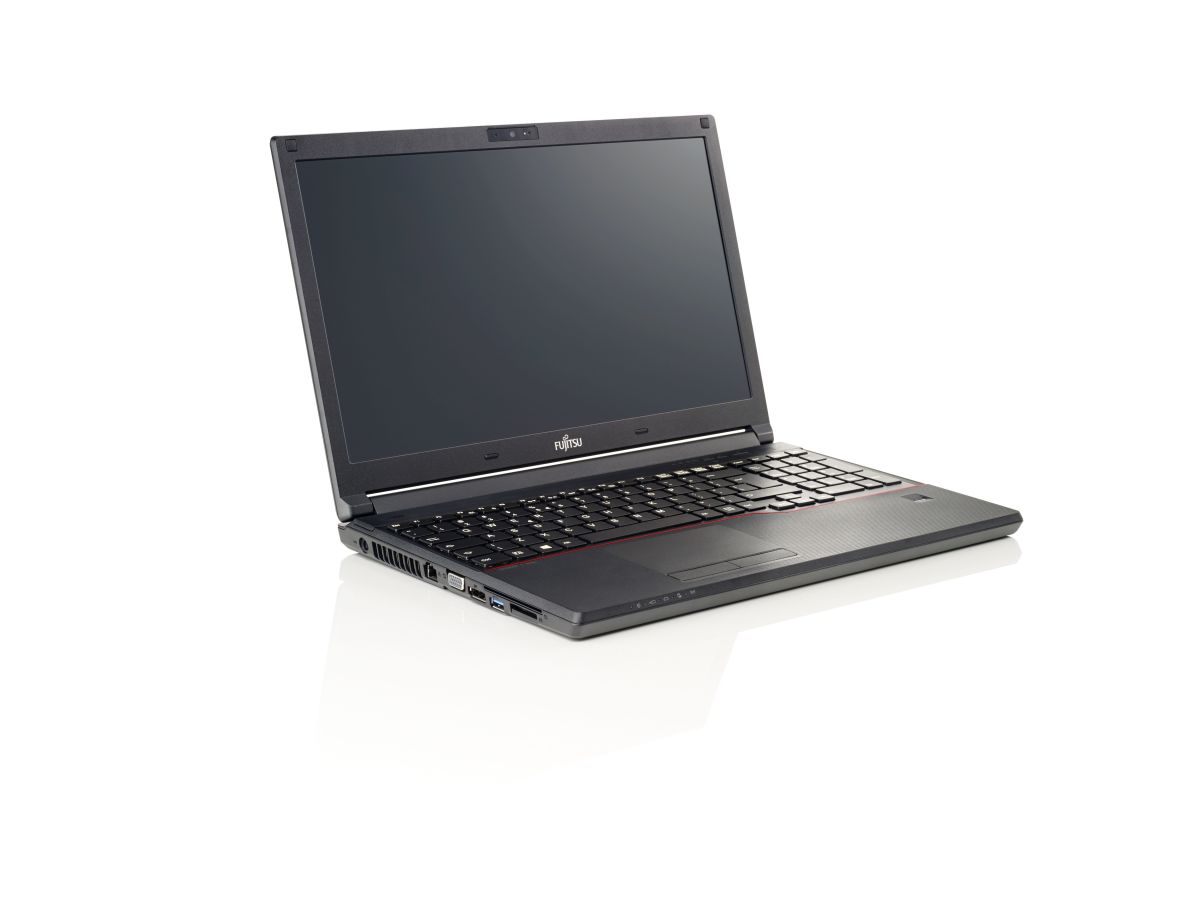
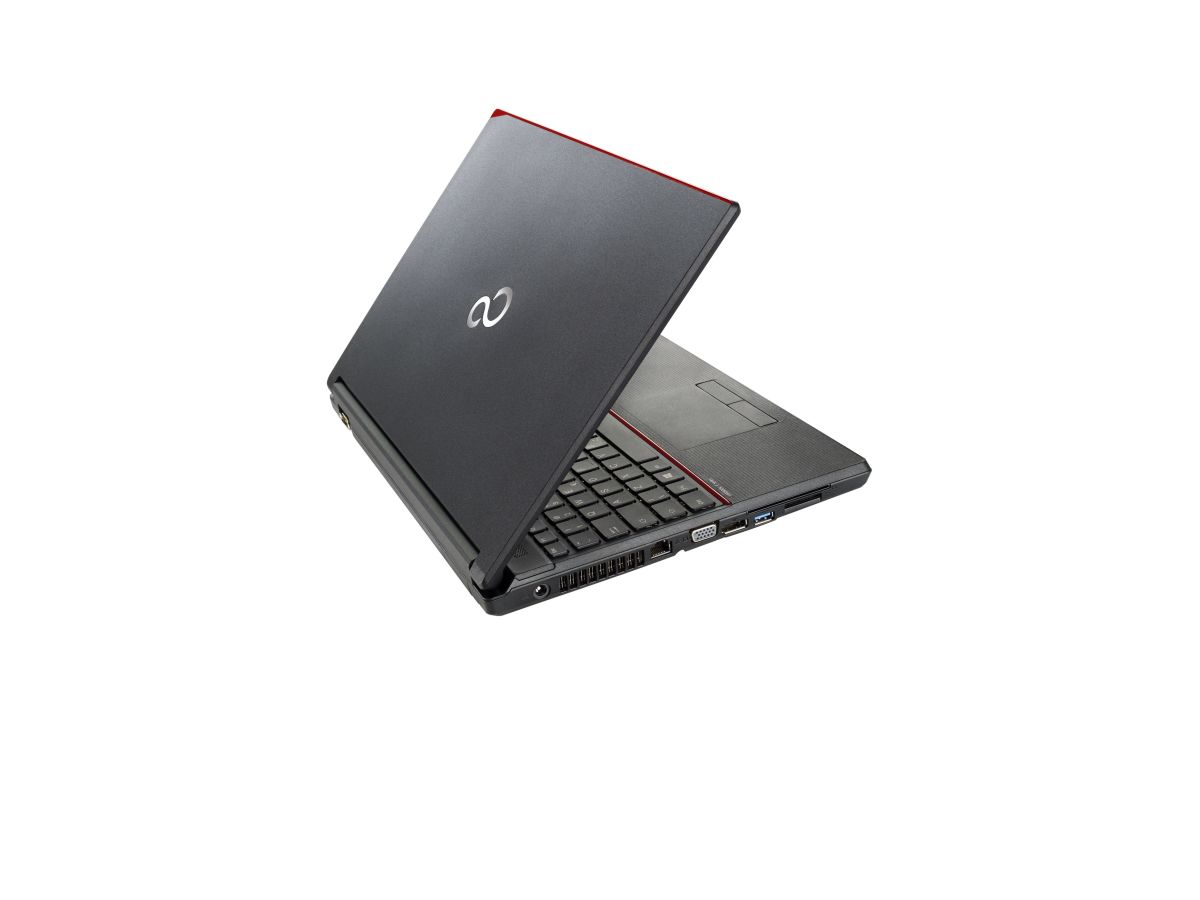
The Fujitsu Lifebook E556 laptop features two SO-DIMM slots for memory upgrades. Compatible DDR4-SDRAM modules operate at 2133 MHz frequency. The maximum RAM capacity supported is 32 GB total. Users can upgrade the memory by installing compatible DDR4 SO-DIMM modules in the available slots. Specifications indicate the E556 model supports standard DDR4 memory upgrades for enhanced system performance and multitasking capabilities.
Memory Upgrade Specifications
| Specification | Value |
|---|---|
| Memory slots | 2x SO-DIMM |
| Form factor | SO-DIMM |
| Memory type | DDR4-SDRAM |
| Frequency | 2133 MHz |
| Maximum RAM | 32 GB |
| Voltage | 1.2V |
| Number of pins | 260-pin |
| Interface | PC4 |
| PC Speed Rating | PC4-2133 (PC4-17064) |
| Bandwidth | 17.1 GB/s |
| Laptop Release date | 23 August 2017 |
Additional Notes
- DDR4-2133 represents first-generation DDR4 specifications, limiting maximum theoretical bandwidth to 17.06 GB/s per module in dual-channel configuration.
- The 32 GB maximum capacity constraint requires 16 GB modules in both slots, preventing asymmetric configurations if maximum memory is targeted.
- SO-DIMM form factor restricts compatibility to laptop-specific modules, excluding standard desktop DIMM modules regardless of electrical compatibility.
- Two-slot configuration means memory expansion requires replacing existing modules rather than simple addition when both slots are occupied.
- 2133 MHz frequency specification may reject higher-speed modules that lack JEDEC-compliant SPD profiles for automatic downclocking to 2133 MHz.
- DDR4 voltage requirement of 1.2V differs from DDR3/DDR3L standards, creating absolute incompatibility with previous-generation modules despite physical slot similarities.
- Dual-channel architecture requires matched module pairs for optimal performance, as mismatched capacities will force single-channel operation on the excess capacity.
- System chipset limitations enforce the 32 GB ceiling independent of module availability, meaning 32 GB modules cannot be utilized even if physically compatible.
- Non-ECC unbuffered modules are implied for consumer laptop architecture, making registered or ECC variants incompatible despite matching SO-DIMM form factor.
- Module rank configuration affects compatibility, as some systems reject dual-rank 16 GB modules while accepting single-rank alternatives at the same capacity.