FUJITSU LIFEBOOK T939 RAM upgrade specifications
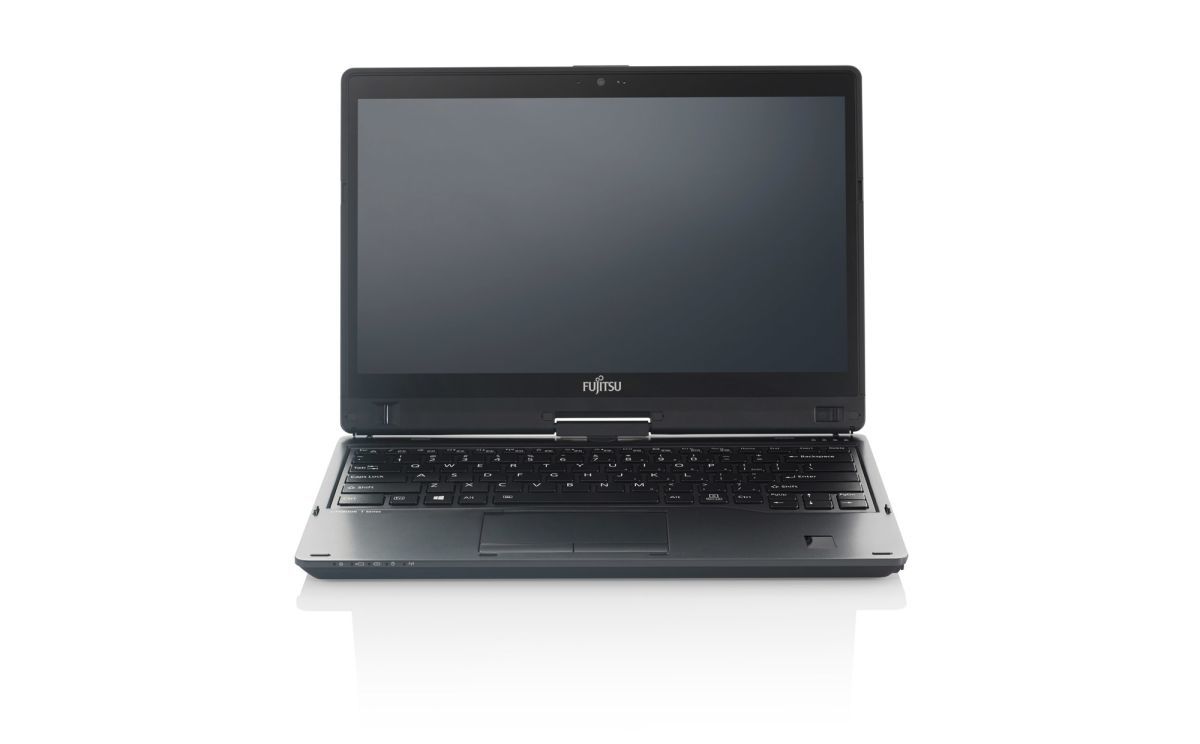
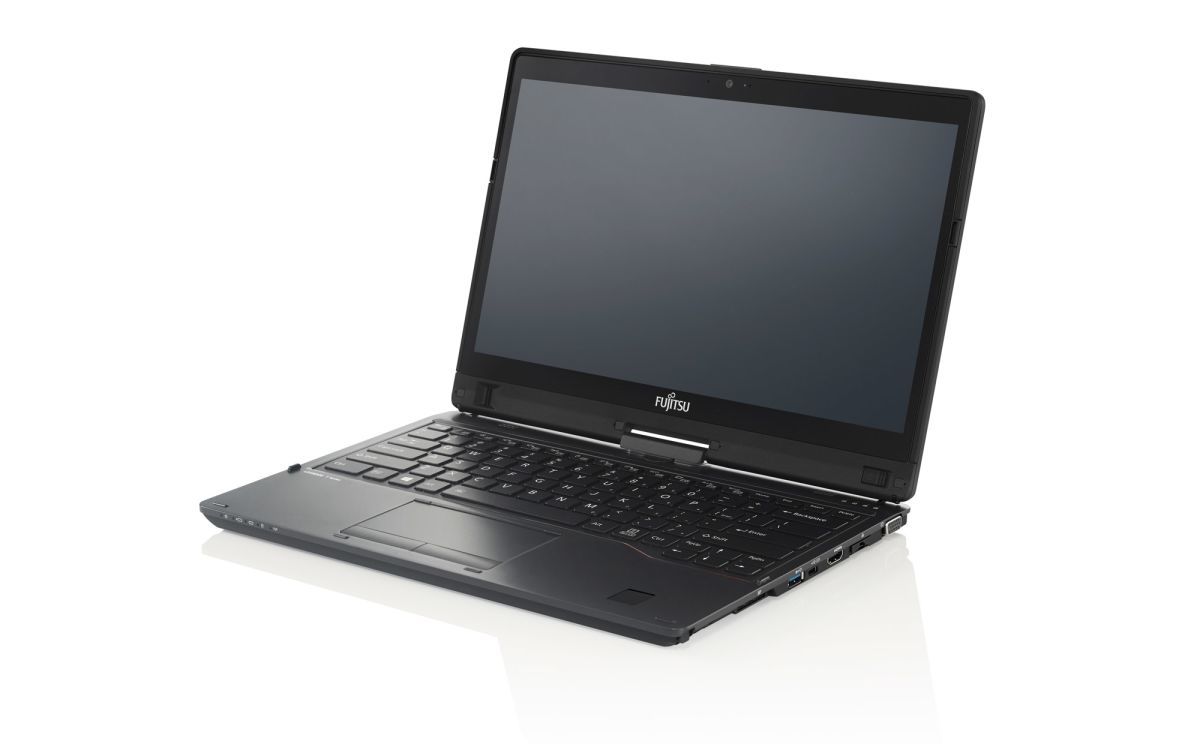
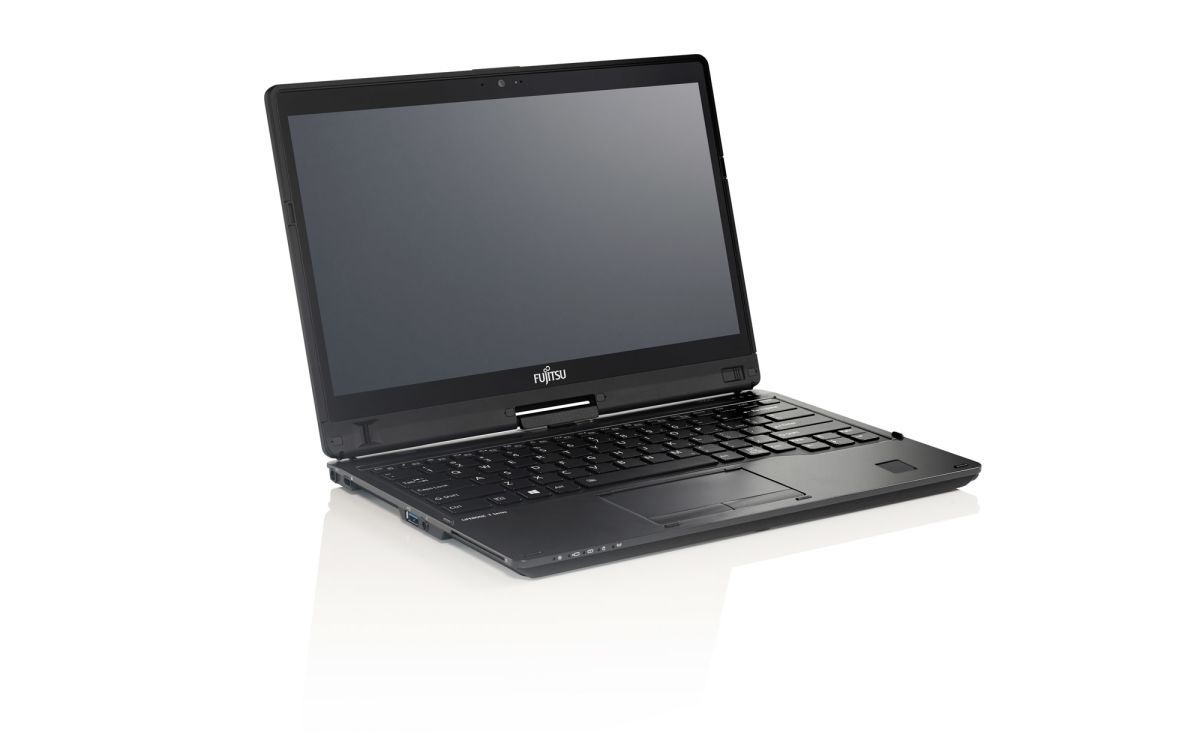
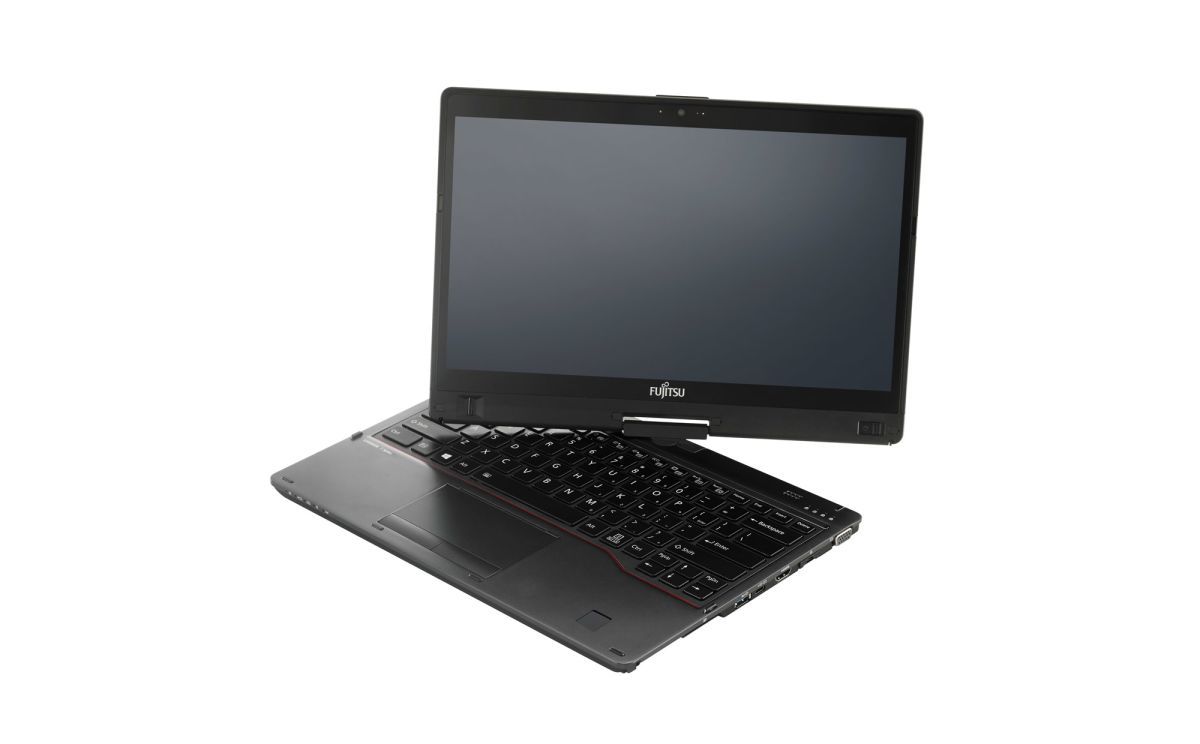
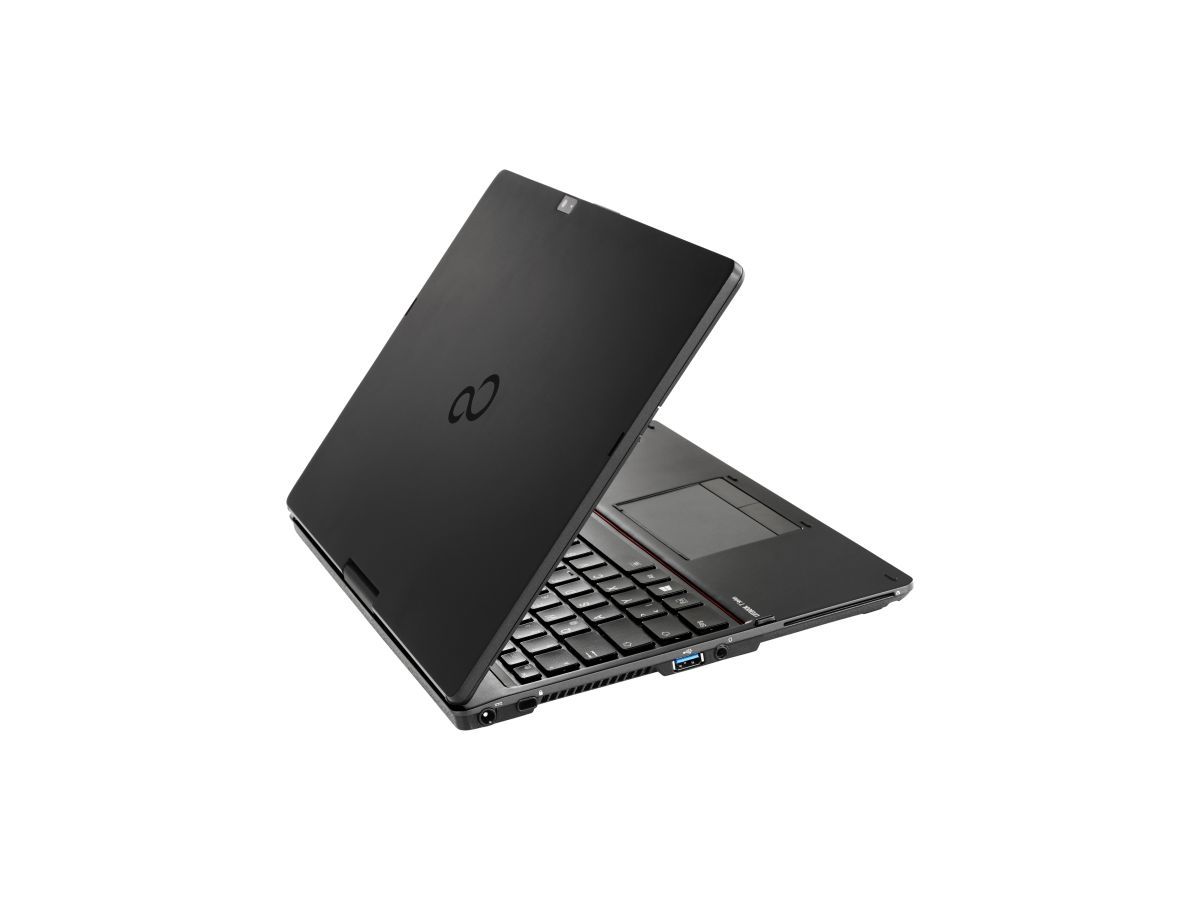
The FUJITSU LIFEBOOK T series model T939 supports memory upgrades utilizing DDR4-SDRAM technology. The laptop contains one SO-DIMM slot for RAM installation. Maximum supported capacity reaches 16 GB, with compatible memory operating at 2400 MHz frequency. Specifications define the SO-DIMM form factor as the required upgrade standard for this FUJITSU LIFEBOOK T939 configuration.
Memory Upgrade Specifications
| Specification | Value |
|---|---|
| Memory slots | 1x SO-DIMM |
| Form factor | SO-DIMM |
| Memory type | DDR4-SDRAM |
| Frequency | 2400 MHz |
| Maximum RAM | 16 GB |
| Voltage | 1.2V |
| Number of pins | 260-pin |
| Interface | PC4 |
| PC Speed Rating | PC4-2400 (PC4-19200) |
| Bandwidth | 19.2 GB/s |
| Laptop Release date | 25 May 2019 |
Additional Notes
- The Fujitsu LIFEBOOK T939 contains a soldered primary memory module, leaving only 1 SO-DIMM slot available for user-accessible upgrades, which restricts expansion to a single additional module rather than full memory replacement.
- DDR4-2400 modules operate at lower bandwidth than contemporary DDR4-3200 standards, resulting in potential performance overhead when paired with newer memory; however, backward compatibility ensures DDR4-3200 modules will downclock to 2400 MHz within this platform.
- The 16 GB maximum capacity ceiling creates a hard limitation on memory expansion; systems with factory-installed 8 GB configurations can add only 1 single 8 GB module to reach the platform maximum.
- SO-DIMM slot constraints eliminate the possibility of redundant memory channels; the architecture operates in single-channel mode for any aftermarket module installed, which reduces bandwidth efficiency compared to dual-channel configurations in desktop or workstation equivalents.
- Memory upgrades beyond 16 GB would require motherboard replacement and void standard manufacturer warranties; third-party modifications beyond specifications are not covered under Fujitsu's support terms.
- SO-DIMM modules generate higher heat density than standard DIMM modules due to compact form factors; thermal management around the memory slot area may constrain the physical proximity of adjacent components during installation.