FUJITSU LIFEBOOK T938 RAM upgrade specifications
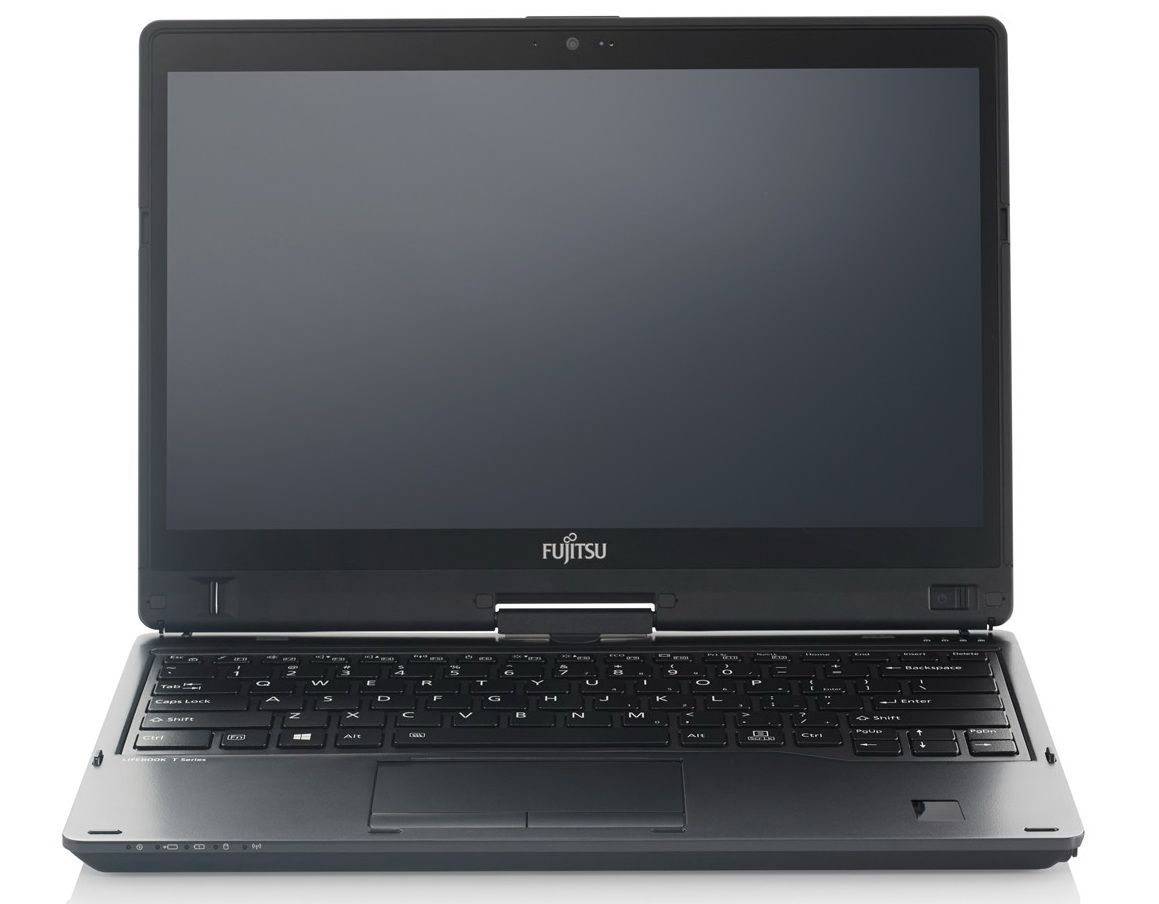
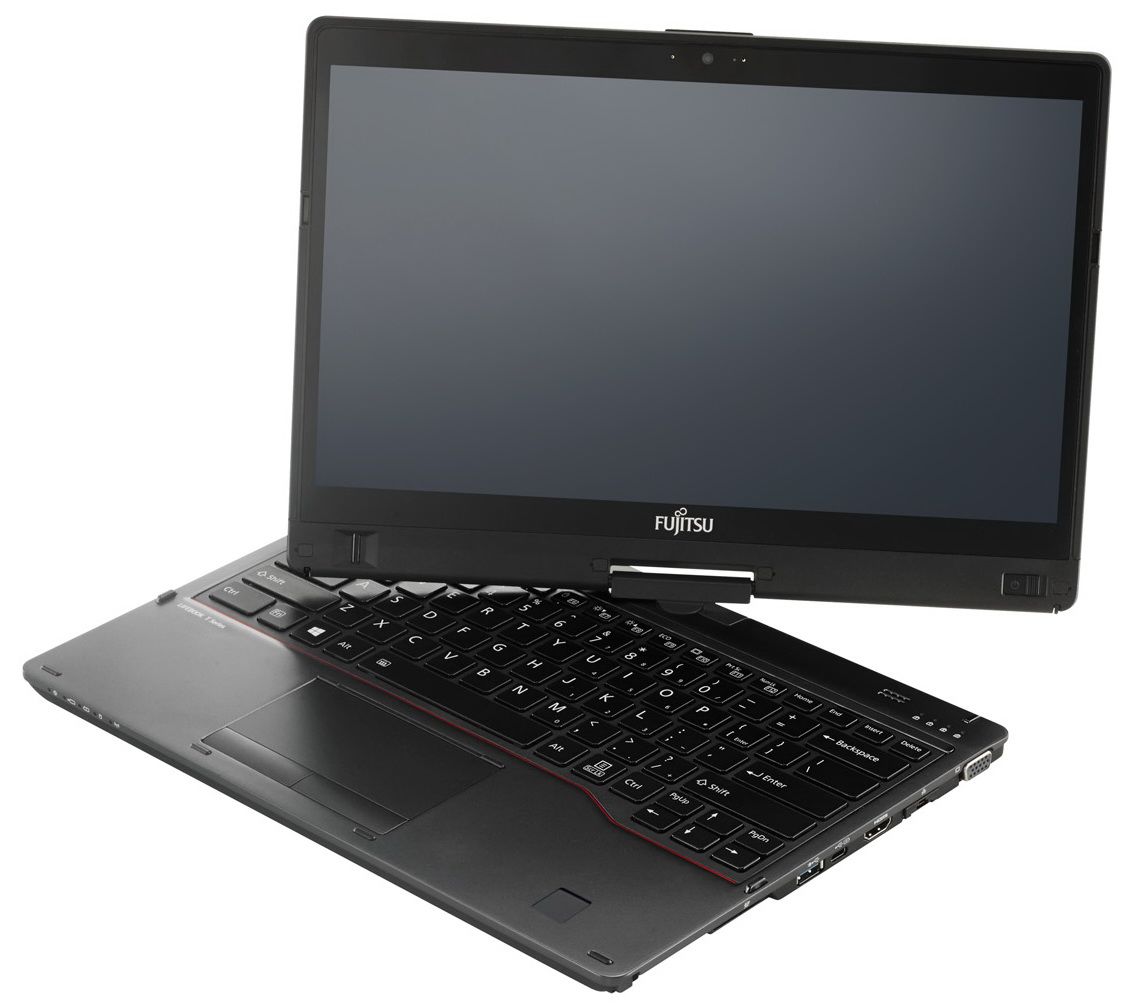
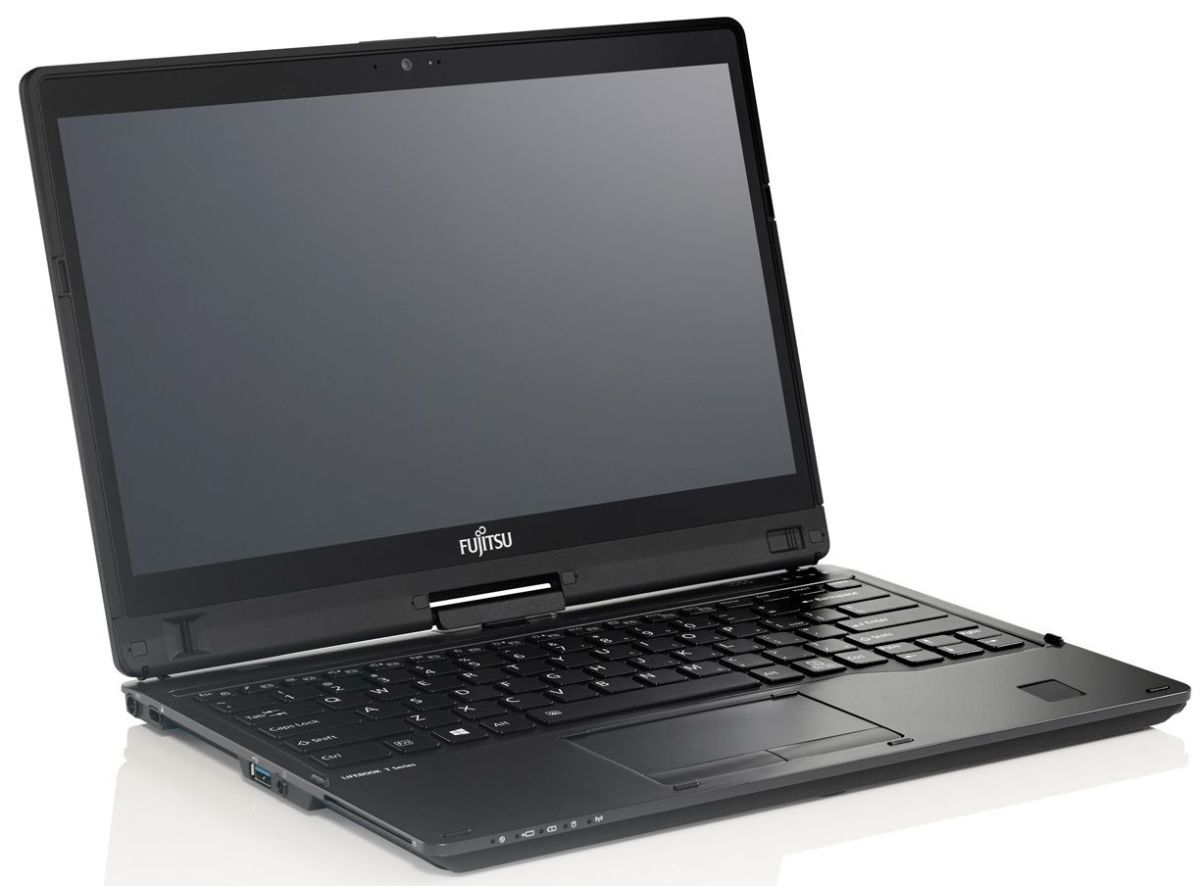
The FUJITSU LIFEBOOK T Series model T938 supports DDR4-SDRAM memory upgrades with a maximum capacity of 16 GB. The laptop contains 1x SO-DIMM slot for memory expansion. Compatible RAM operates at 2400 MHz frequency using the SO-DIMM form factor. Upgrade specifications indicate maximum supported memory configuration of 16 GB through the single available SO-DIMM slot.
Memory Upgrade Specifications
| Specification | Value |
|---|---|
| Memory slots | 1x SO-DIMM |
| Form factor | SO-DIMM |
| Memory type | DDR4-SDRAM |
| Frequency | 2400 MHz |
| Maximum RAM | 16 GB |
| Voltage | 1.2V |
| Number of pins | 260-pin |
| Interface | PC4 |
| PC Speed Rating | PC4-2400 (PC4-19200) |
| Bandwidth | 19.2 GB/s |
| Laptop Release date | 16 March 2018 |
Additional Notes
- Single memory slot configuration limits expansion to 1 module, eliminating dual-channel architecture benefits and forcing complete module replacement rather than additive upgrades.
- 16 GB ceiling indicates this platform predates DDR4 density standardization at 32 GB, restricting long-term utility for memory-intensive workloads beyond 5 years.
- 2400 MHz frequency operates at DDR4's entry specification tier, creating potential latency penalties when paired with newer 3200 MHz modules due to motherboard downclocking of faster components.
- SO-DIMM form factor confirms ultrabook or thin-and-light chassis design, requiring external removal of keyboard or base panel for memory access and increasing installation complexity versus standard laptop designs.
- DDR4-SDRAM specification establishes hard incompatibility with DDR5 memory, preventing forward compatibility if motherboard refresh occurs within next 2-3 product generations.
- Single slot topology creates full system shutdown requirement during upgrade, with no fallback to reduced-capacity operation if primary module fails or degrades.
- Maximum capacity constraint combined with single-slot design means storage and CPU upgradability become disproportionately critical for system longevity, as RAM bottlenecks cannot be resolved through modular expansion.