FUJITSU LIFEBOOK T902 RAM upgrade specifications
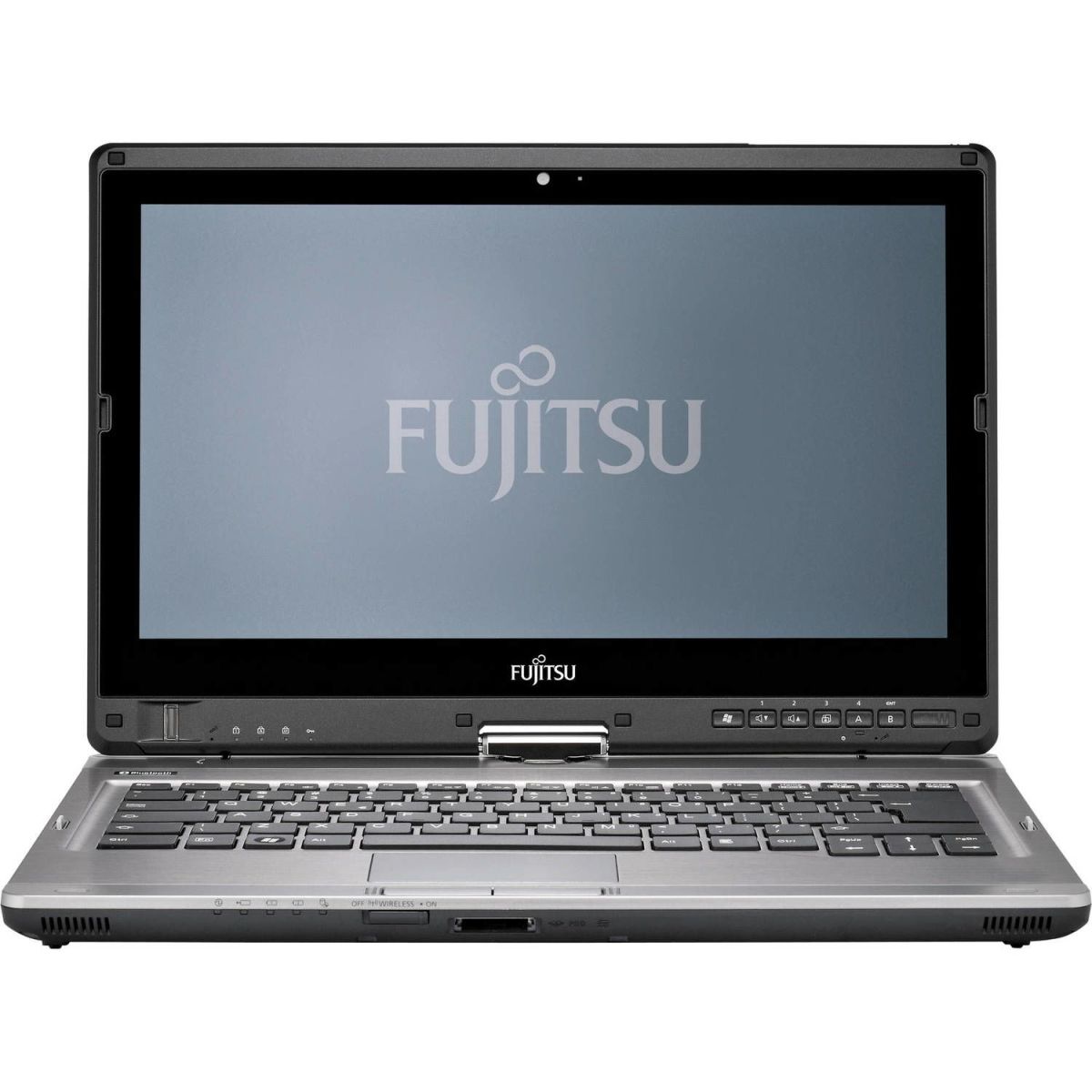
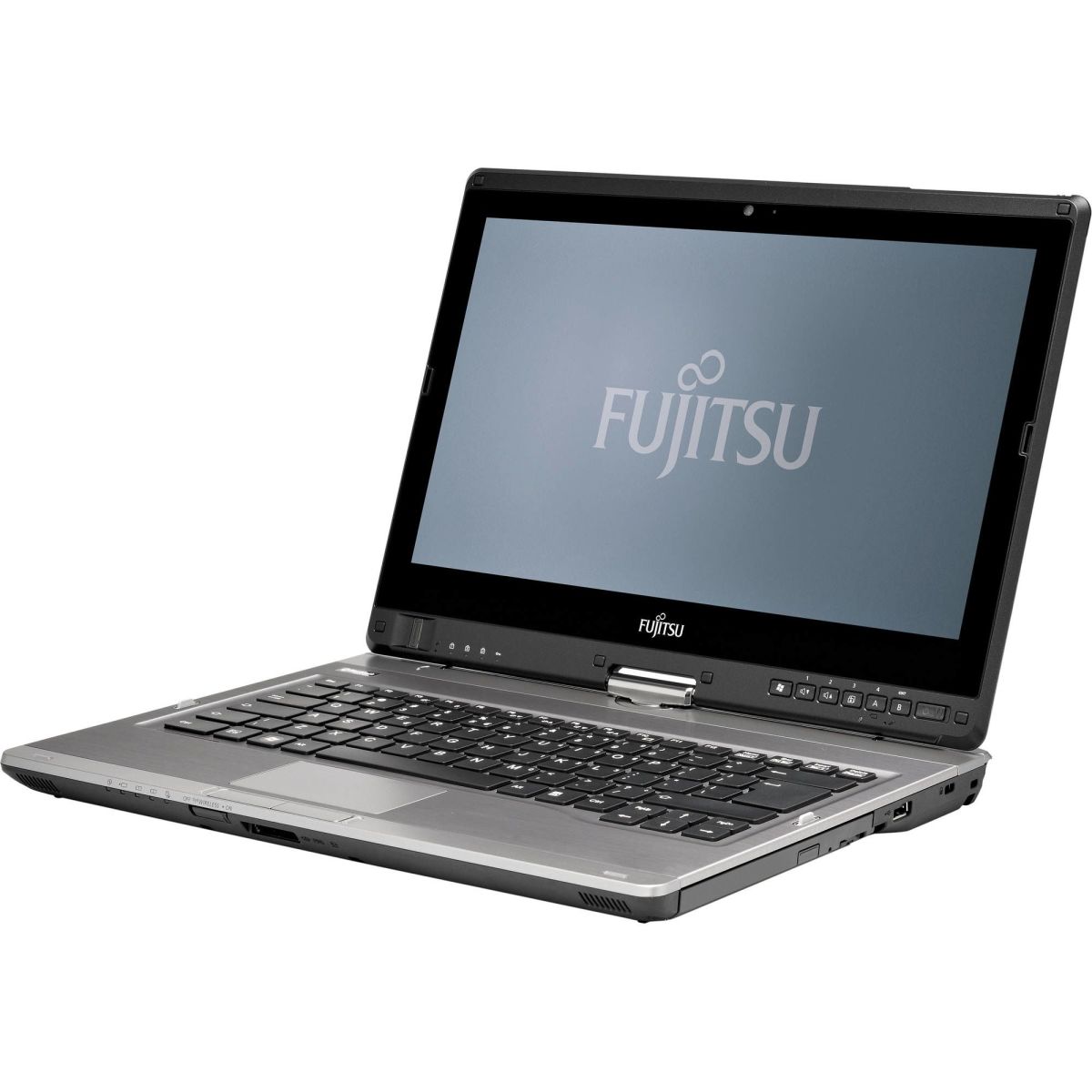
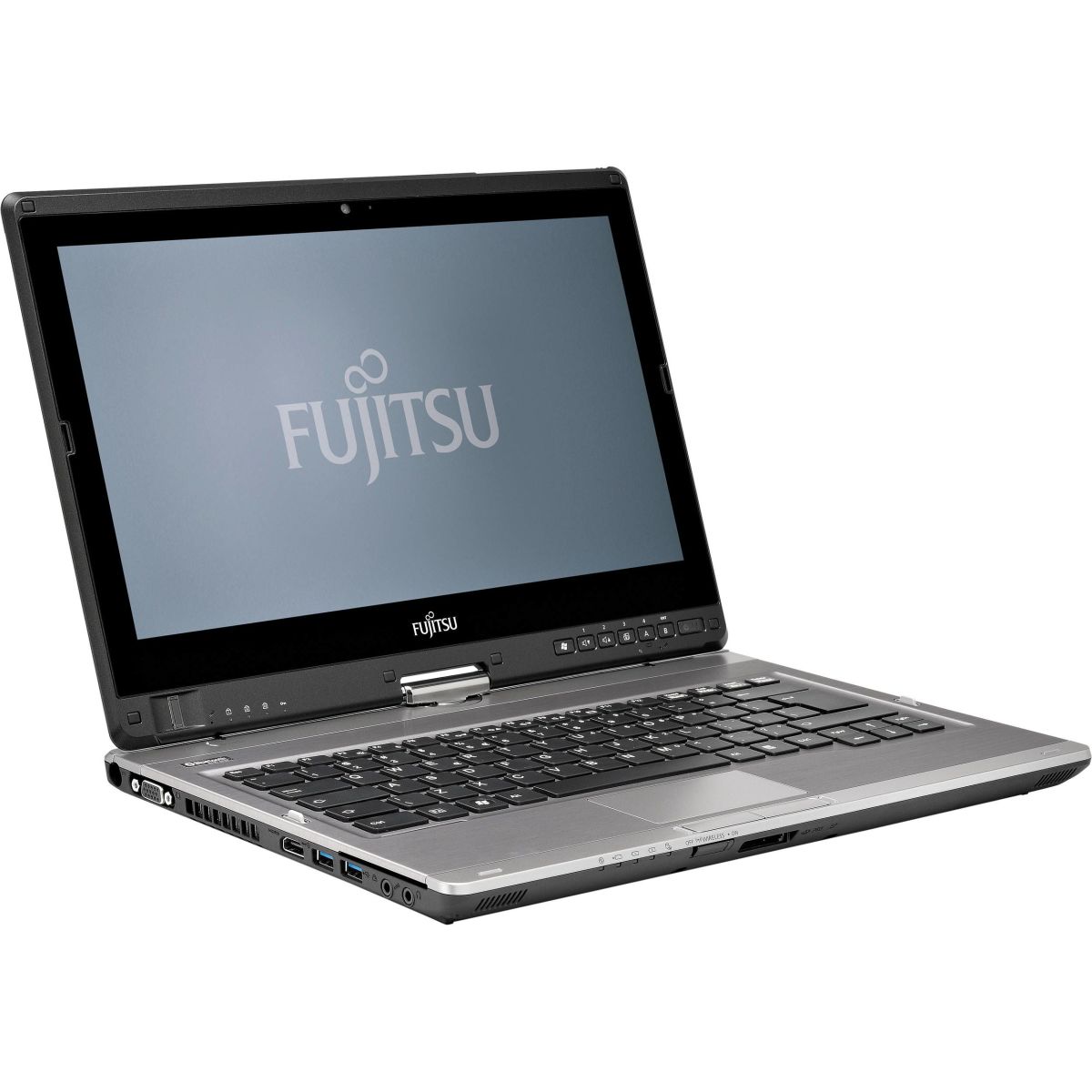
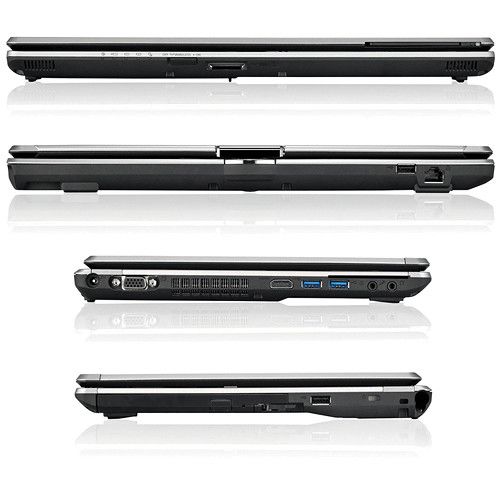
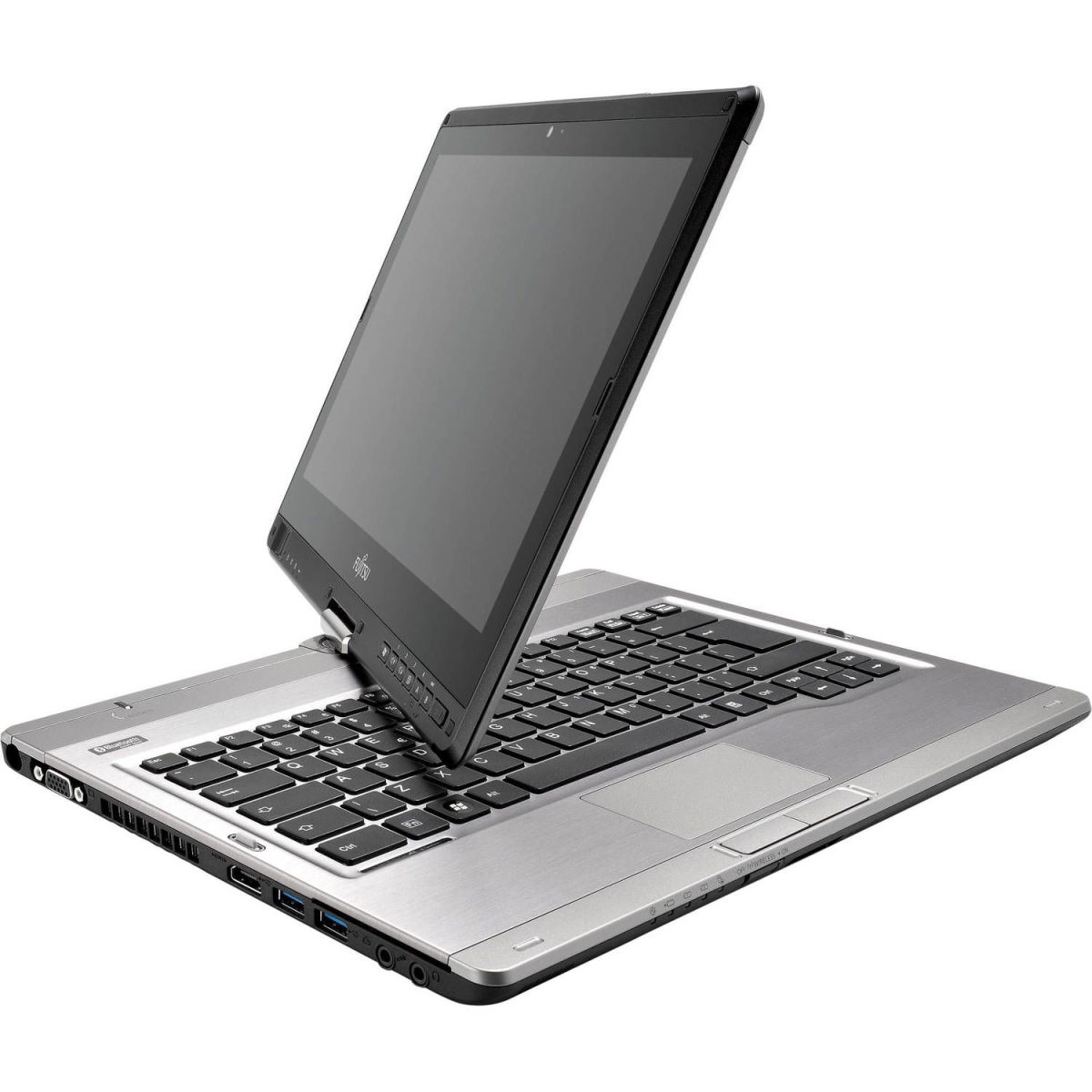
The FUJITSU LIFEBOOK T Series T902 laptop features 2x SO-DIMM memory slots supporting DDR3-SDRAM modules at 1600 MHz. Maximum RAM capacity reaches 16 GB for this model. The upgrade specifications indicate compatible memory uses SO-DIMM form factor, enabling users to expand the system memory by replacing or adding DDR3-SDRAM modules. Specifications detail the memory configuration and maximum supported capacity for the T902 configuration.
Memory Upgrade Specifications
| Specification | Value |
|---|---|
| Memory slots | 2x SO-DIMM |
| Form factor | SO-DIMM |
| Memory type | DDR3-SDRAM |
| Frequency | 1600 MHz |
| Maximum RAM | 16 GB |
| Voltage | 1.5V |
| Number of pins | 204-pin |
| Interface | PC3 |
| PC Speed Rating | PC3-1600 (PC3-12800) |
| Bandwidth | 12.8 GB/s |
| Laptop Release date | 05 January 2015 |
Additional Notes
- DDR3 memory operates at reduced voltage (1.35V low-power variant common in this era) compared to desktop counterparts, limiting cross-compatibility with standard DDR3 modules designed for 1.5V operation.
- SO-DIMM physical dimensions (67.6 x 30mm) require vertical insertion at a shallow angle into slots positioned near the system edge, constraining access in cramped chassis designs and demanding precision during installation to avoid pin damage.
- 2 memory slots with 16GB maximum capacity indicates each slot supports 8GB modules, establishing a hard ceiling for future expansion beyond this configuration.
- 1600MHz frequency ceiling (DDR3-1600) represents the maximum controller speed supported by the chipset; installing higher-frequency modules will downclock to 1600MHz, rendering premium pricing for faster variants economically inefficient.
- SO-DIMM memory carries higher per-gigabyte cost than desktop DIMM equivalents due to reduced manufacturing volume, making capacity upgrades proportionally more expensive than equivalent desktop system upgrades.
- Dual-slot architecture prevents asymmetrical pairing; mismatched module capacities or speeds across slots may trigger BIOS warnings or force operation at the slower module's specifications, though most systems tolerate this configuration.
- DDR3 modules with factory overclocking profiles or XMP settings will default to JEDEC 1600MHz specification on this platform, as mobile chipsets lack overclocking support found in enthusiast desktop systems.