FUJITSU LIFEBOOK U727 RAM upgrade specifications
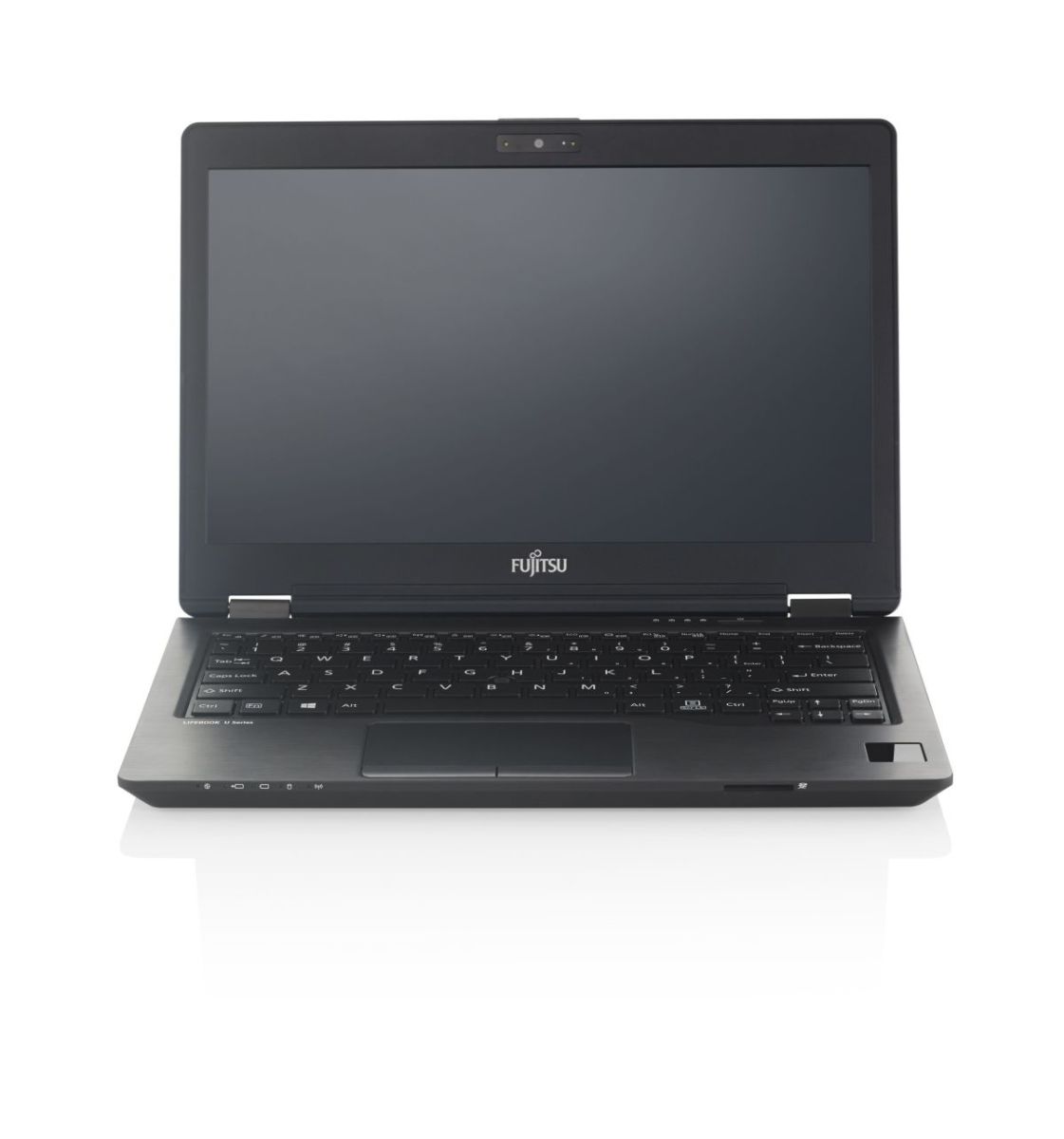
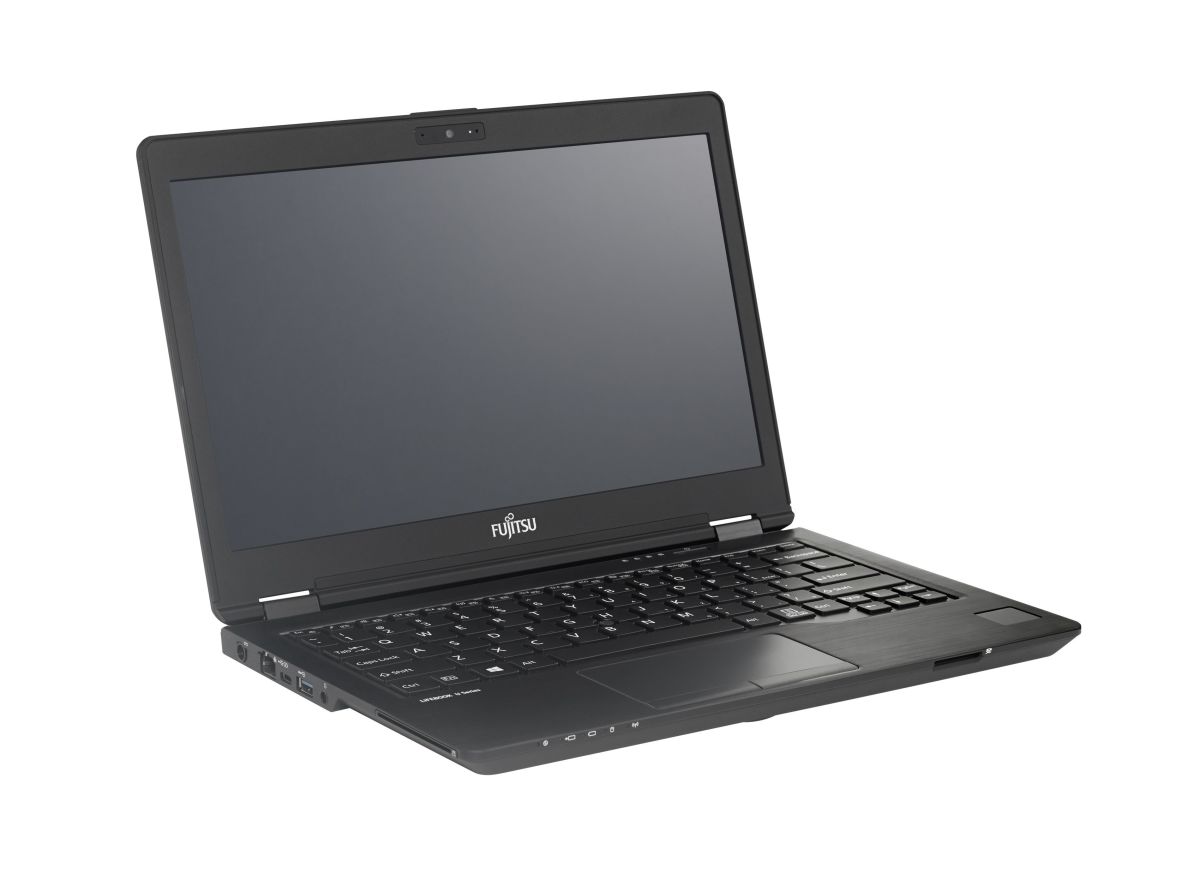
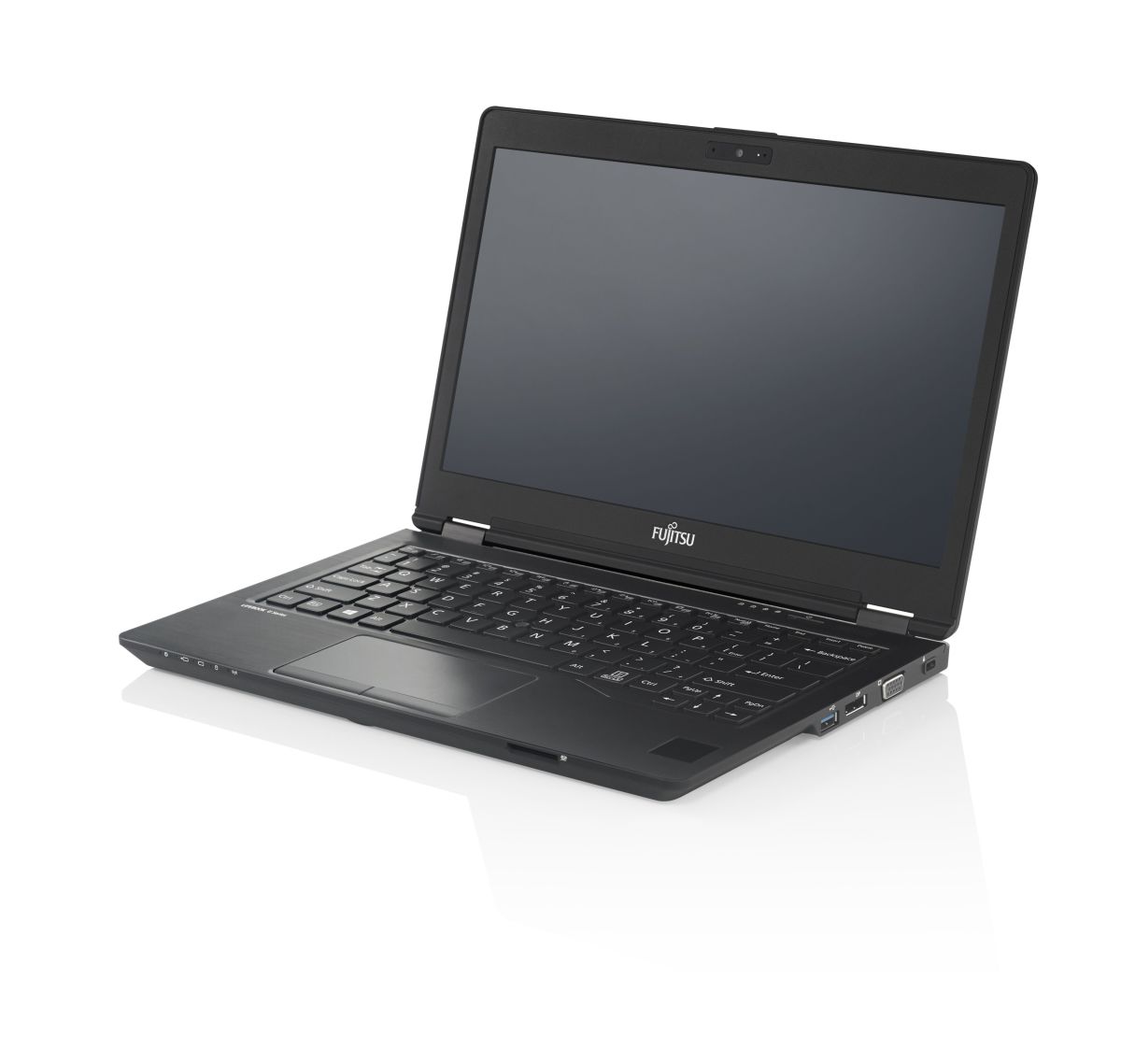
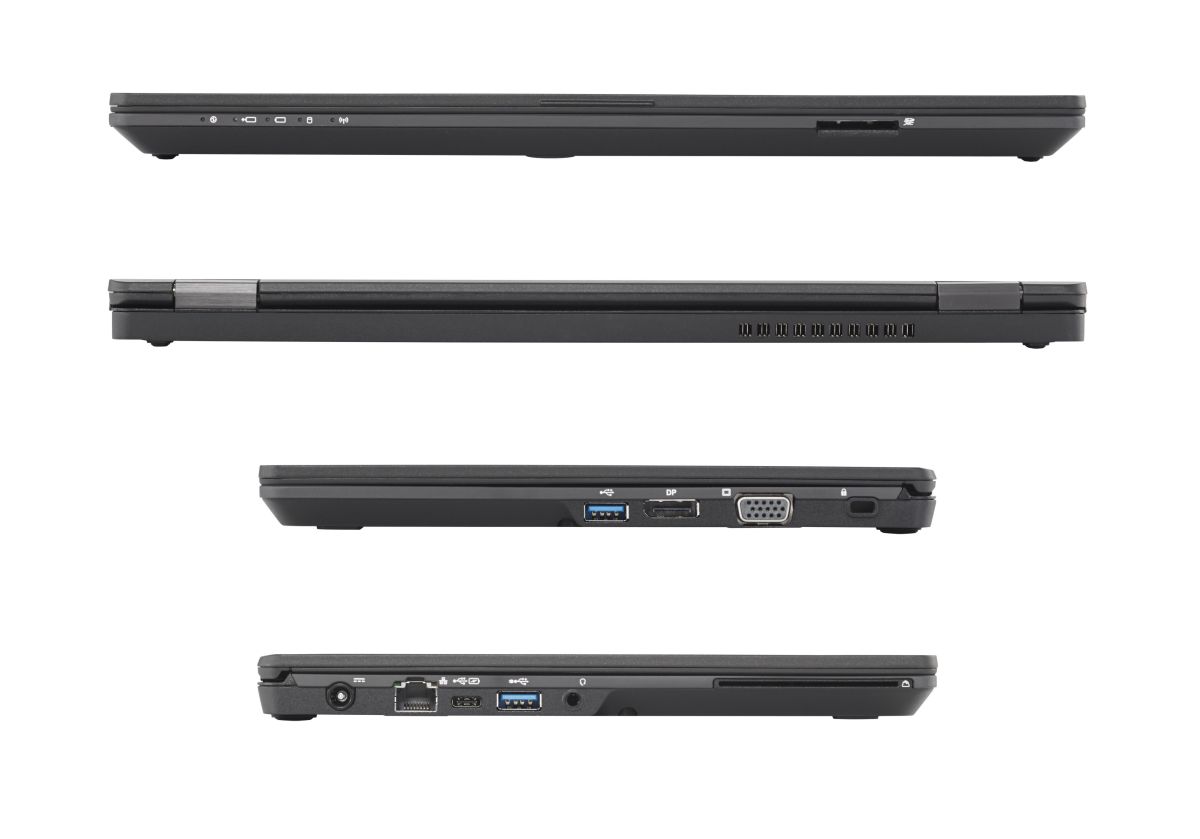
The FUJITSU LIFEBOOK U Series U727 laptop supports DDR4-SDRAM memory upgrades through two SO-DIMM slots. The maximum RAM capacity is 32 GB, with compatible modules operating at 2133 MHz frequency. Memory upgrade specifications for this model indicate support for DDR4 SO-DIMM form factor modules, enabling users to expand system memory capacity by replacing or adding RAM modules in the available slots.
Memory Upgrade Specifications
| Specification | Value |
|---|---|
| Memory slots | 2x SO-DIMM |
| Form factor | SO-DIMM |
| Memory type | DDR4-SDRAM |
| Frequency | 2133 MHz |
| Maximum RAM | 32 GB |
| Voltage | 1.2V |
| Number of pins | 260-pin |
| Interface | PC4 |
| PC Speed Rating | PC4-2133 (PC4-17064) |
| Bandwidth | 17.1 GB/s |
| Laptop Release date | 14 September 2017 |
Additional Notes
- Dual channel memory architecture is only achievable when installing 2 matched modules to double the available communication bandwidth between the processor and the system memory.
- High frequency RAM modules with ratings above 2133 MHz will undergo forced downclocking to remain compatible with the integrated memory controller logic.
- Physical chassis constraints require the use of 260 pin SO-DIMM modules as standard sized desktop DIMM hardware will not interface with the logic board.
- The 32 GB capacity threshold indicates a density limit of 16 GB per slot which prevents the utilization of 32 GB single stick modules.
- Upgrading memory entails accessing the internal assembly which requires careful handling of static sensitive components to avoid permanent motherboard failure.
- Latency timings will automatically default to the highest common denominator among installed sticks if mismatched CAS latency modules occupy the 2 available slots.
- Replacing a single factory module with another of different capacity prevents the system from operating in true symmetric dual channel mode and reverts to asynchronous flex mode.
- The absence of soldered memory on the motherboard ensures that the entire system memory remains replaceable in the event of a single module failure.