FUJITSU LIFEBOOK U729X RAM upgrade specifications
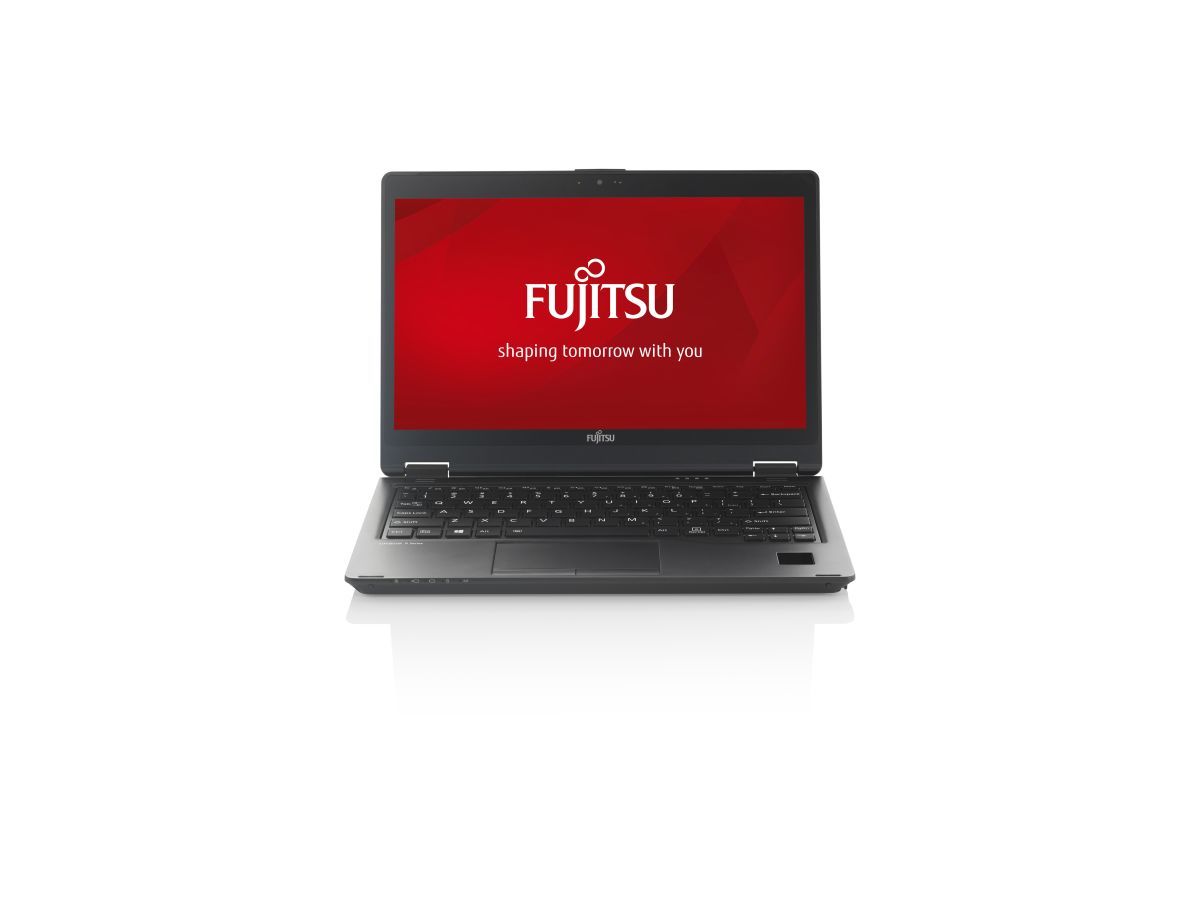
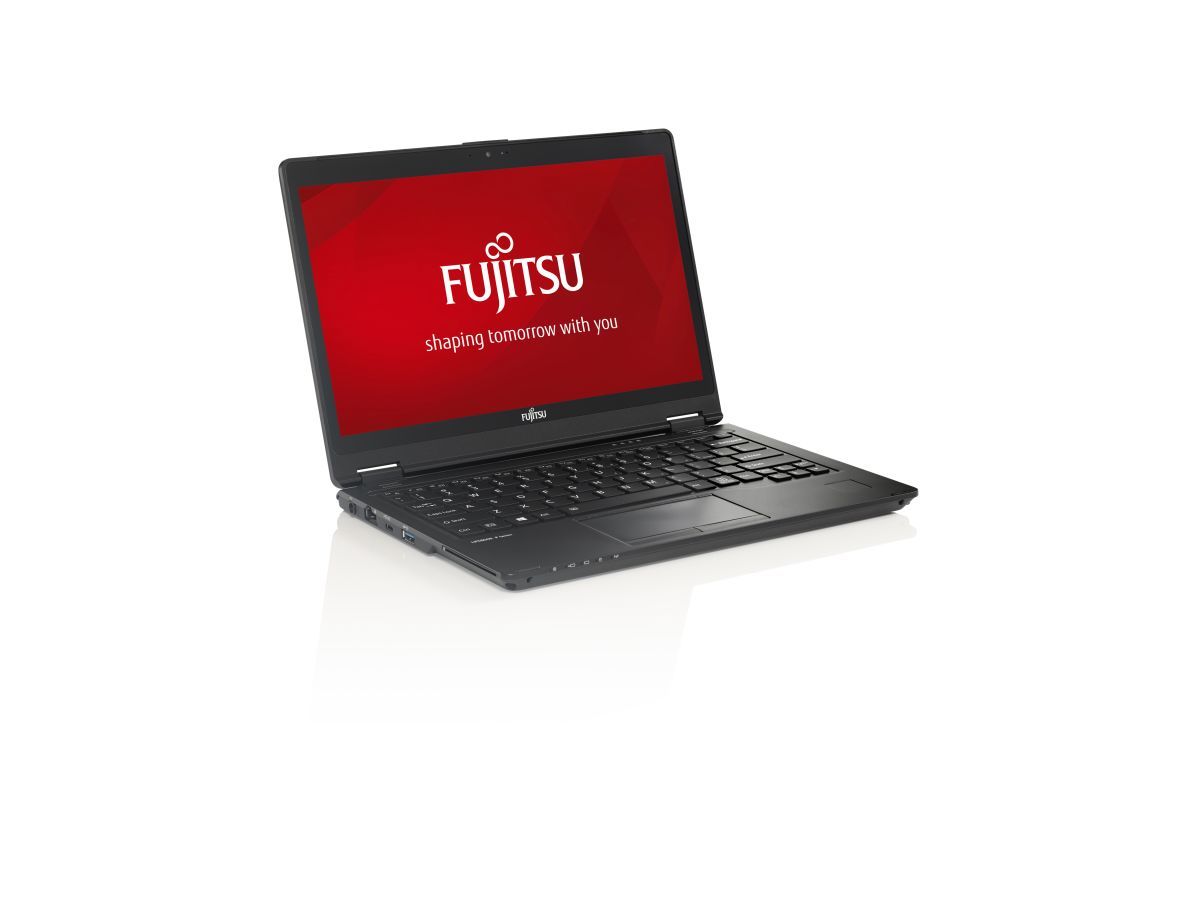
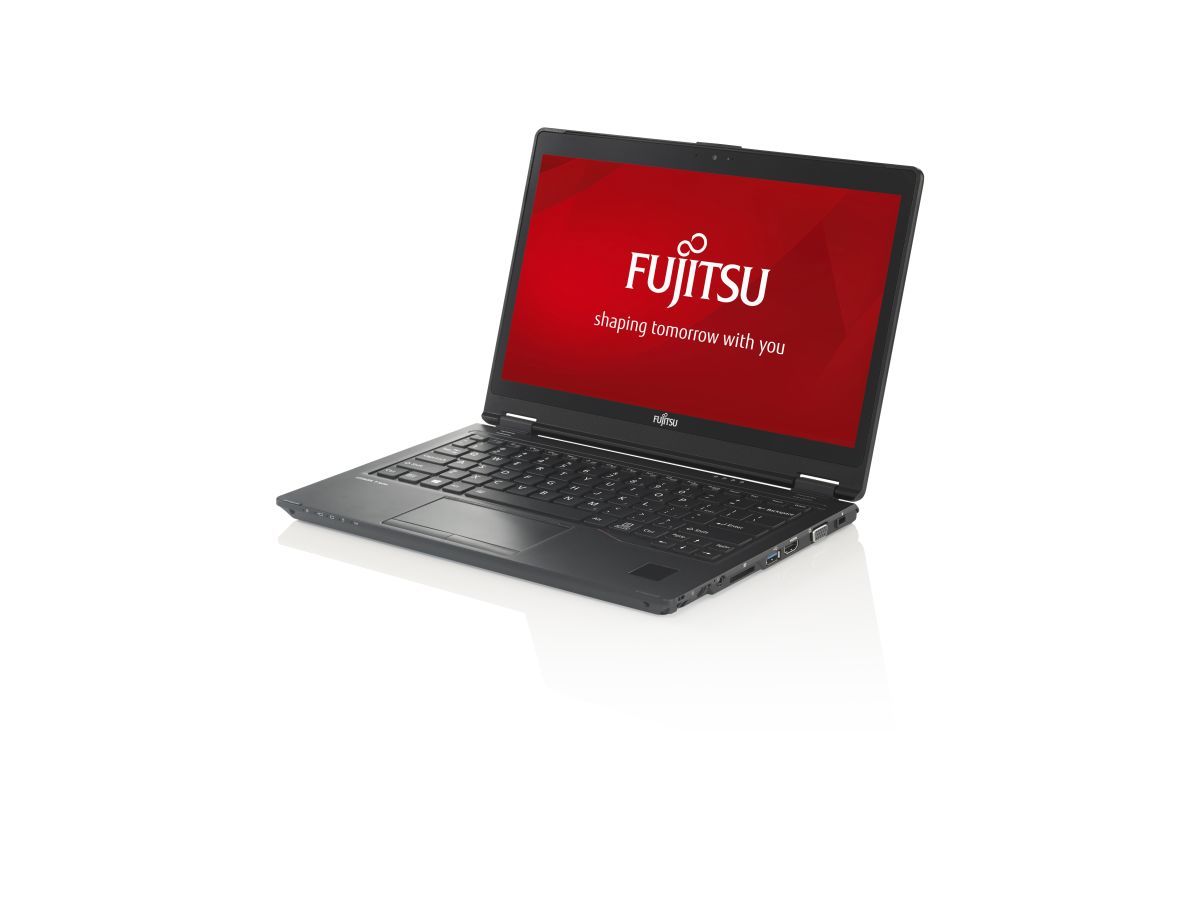
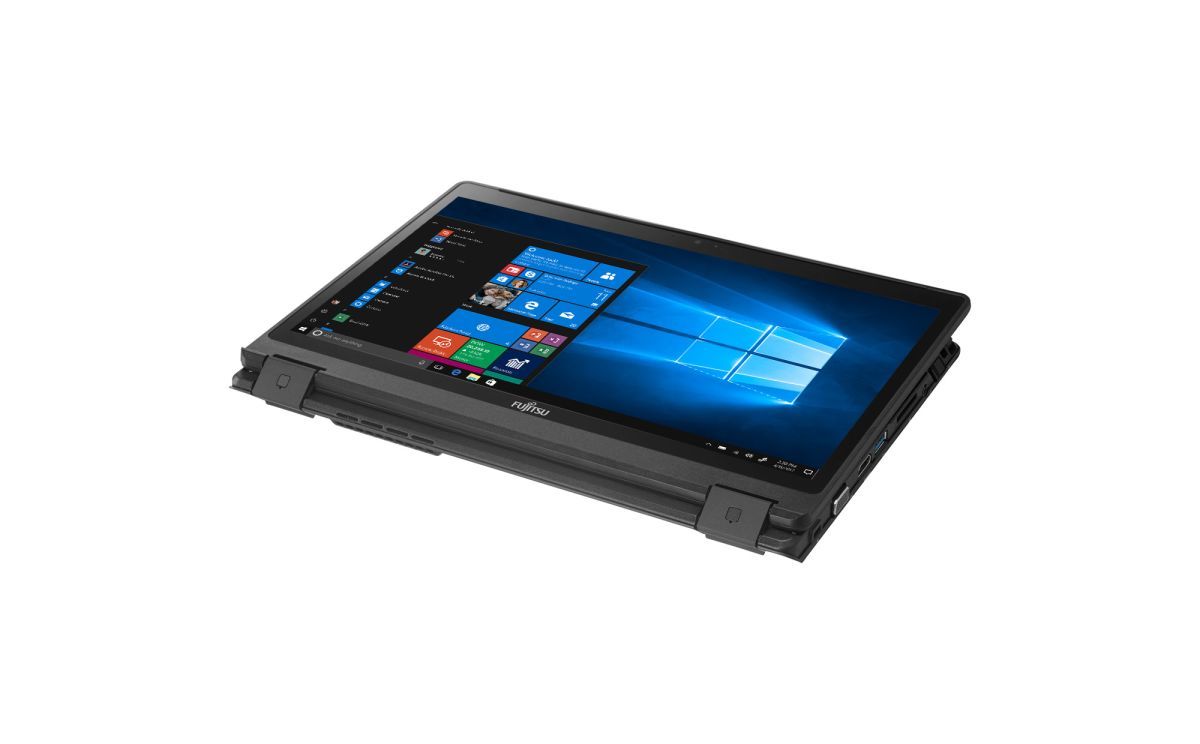
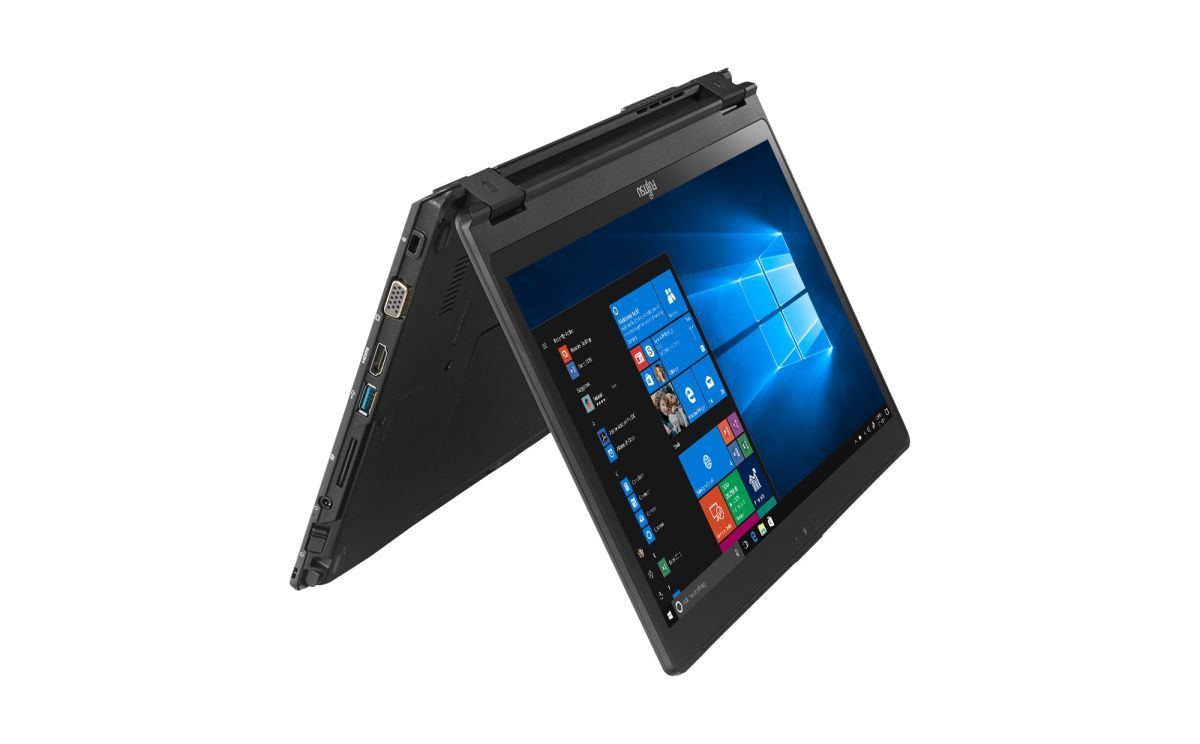
The FUJITSU LIFEBOOK U Series U729X supports DDR4-SDRAM memory upgrades via a single SO-DIMM slot. The laptop accommodates a maximum RAM capacity of 16 GB with memory operating at 2400 MHz frequency. Compatible memory modules utilize the SO-DIMM form factor, enabling users to expand the system's memory specifications for enhanced multitasking capabilities and performance optimization.
Memory Upgrade Specifications
| Specification | Value |
|---|---|
| Memory slots | 1x SO-DIMM |
| Form factor | SO-DIMM |
| Memory type | DDR4-SDRAM |
| Frequency | 2400 MHz |
| Maximum RAM | 16 GB |
| Voltage | 1.2V |
| Number of pins | 260-pin |
| Interface | PC4 |
| PC Speed Rating | PC4-2400 (PC4-19200) |
| Bandwidth | 19.2 GB/s |
| Laptop Release date | 25 May 2019 |
Additional Notes
- The Fujitsu LIFEBOOK U729X contains a single memory slot, restricting upgrade capacity to a maximum 16 GB module. Dual-channel memory configuration is unavailable, resulting in performance penalties of 5 to 10 percent versus symmetrical 2-slot architectures at identical clock speeds.
- DDR4-2400 MHz specification indicates this ultrabook predates mainstream DDR4-3200 adoption. Faster modules remain backward-compatible but operate at 2400 MHz, negating speed advantages without enabling performance gains or justifying higher module costs.
- The single SO-DIMM slot contains soldered or permanently installed factory memory. Replacement requires removal of existing memory before installation of larger capacity upgrades. No additive expansion pathway exists.
- SO-DIMM form factor constraints eliminate standard UDIMM desktop memory as upgrade alternatives. Sourcing certified DDR4 SO-DIMM modules rated for 2400 MHz or lower requires vendor-specific parts lists to ensure BIOS compatibility and warranty coverage.
- Memory bandwidth at 2400 MHz and single-channel configuration creates a potential bottleneck during multithreaded workloads. Integrated graphics and thermal throttling scenarios may amplify latency-sensitive task degradation compared to dual-channel 2-slot systems.
- Upgrading beyond factory capacity typically voids manufacturer memory warranties on the replaced module but preserves system coverage under conditions of OEM-approved parts installation. Third-party memory claims require retention of original module documentation.