FUJITSU LIFEBOOK U7311 RAM upgrade specifications

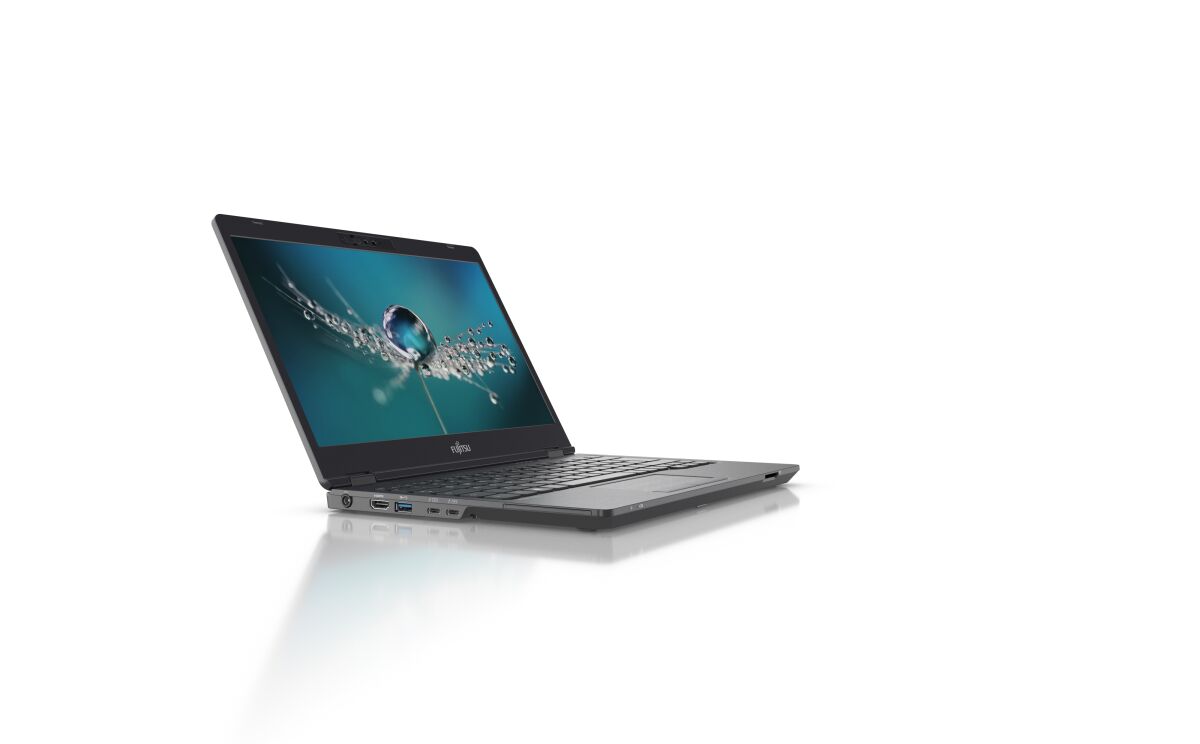

The FUJITSU LIFEBOOK U Series U7311 supports DDR4-SDRAM memory upgrades with maximum RAM capacity of 40 GB. The laptop features one SO-DIMM slot for memory expansion, operating at 3200 MHz frequency. Compatible upgrades utilize the SO-DIMM form factor, with specifications designed for the U7311 model configuration combining on-board and upgradeable memory modules.
Memory Upgrade Specifications
| Specification | Value |
|---|---|
| Memory slots | 1x SO-DIMM |
| Form factor | On-board + SO-DIMM |
| Memory type | DDR4-SDRAM |
| Frequency | 3200 MHz |
| Maximum RAM | 40 GB |
| Voltage | 1.2V |
| Number of pins | 260-pin |
| Interface | PC4 |
| PC Speed Rating | PC4-3200 (PC4-25600) |
| Bandwidth | 25.6 GB/s |
| Laptop Release date | 04 April 2021 |
Additional Notes
- The FUJITSU LIFEBOOK U7311 contains soldered on-board memory that cannot be removed, meaning only the single SO-DIMM slot is available for capacity expansion.
- DDR4-3200 modules must match the on-board frequency specification to avoid performance degradation or system instability; mixing with slower DDR4 variants will throttle memory bandwidth to the lowest common speed.
- The 40 GB maximum capacity indicates a fixed on-board allocation (likely 8 GB or 16 GB) plus a 32 GB or 24 GB SO-DIMM upper limit for the replaceable slot.
- SO-DIMM form factor imposes strict physical constraints; only low-profile modules rated for mobile systems will fit in the confined chassis space typical of ultraportable notebooks.
- Upgrading memory does not require BIOS modifications or firmware updates for DDR4-3200 compliant modules, reducing warranty risk compared to processor or storage interventions.
- The single upgrade slot creates no redundancy; if the SO-DIMM fails after installation, the system retains only the soldered base memory for operation.
- Memory bandwidth utilization depends on processor generation and architecture; DDR4-3200 provides sufficient throughput for most ultrabook workloads, but transcoding or machine learning tasks may experience latency spikes if on-board allocation is insufficient.