FUJITSU LIFEBOOK U7510 RAM upgrade specifications
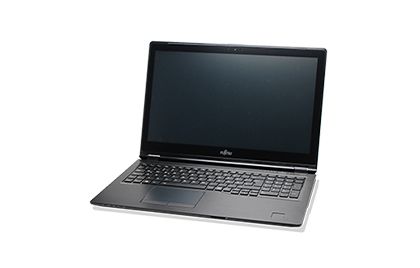
FUJITSU LIFEBOOK U Series U7510 laptop supports DDR4-SDRAM memory upgrades with 2x SO-DIMM slots. Maximum RAM capacity reaches 64 GB with compatible modules operating at 2666 MHz frequency. Memory specifications enable upgrade configurations for enhanced system performance and multitasking capabilities on FUJITSU LIFEBOOK U7510 mobile workstations.
Memory Upgrade Specifications
| Specification | Value |
|---|---|
| Memory slots | 2x SO-DIMM |
| Form factor | SO-DIMM |
| Memory type | DDR4-SDRAM |
| Frequency | 2666 MHz |
| Maximum RAM | 64 GB |
| Voltage | 1.2V |
| Number of pins | 260-pin |
| Interface | PC4 |
| PC Speed Rating | PC4-2666 (PC4-21328) |
| Bandwidth | 21.3 GB/s |
| Laptop Release date | 13 June 2020 |
Additional Notes
- The Fujitsu LIFEBOOK U7510 contains 2 SO-DIMM slots operating at 2666 MHz, meaning memory expansion requires matching this exact frequency to avoid downclocking the entire memory bus to the slowest module's speed.
- DDR4-2666 modules are now considered legacy generation; widespread availability of replacement SO-DIMMs has contracted significantly since DDR5 market adoption, potentially extending sourcing lead times for warranty-compliant upgrades.
- The 64 GB maximum capacity ceiling creates a practical dual-slot constraint where the only upgrade path from factory configuration involves removing existing modules entirely and replacing both slots simultaneously, as single-slot additions cannot exceed the per-slot capacity limits of that generation's controller.
- SO-DIMM form factor requires internal chassis access through the bottom panel or keyboard removal; this typically voids manufacturer seals unless performed by authorized service, whereas desktop DDR4 upgrades face no such warranty restrictions.
- At 2666 MHz operation, memory bandwidth delivers approximately 21.3 GB/s per channel; tasks exceeding this bandwidth (large dataset processing, 4K video editing) will experience measurable latency regardless of total capacity installed, as frequency cannot be increased beyond the controller's specification.
- The 2-slot architecture provides no redundancy path; failure of the memory controller itself renders all 64 GB inaccessible, whereas systems with 4+ slots can sometimes continue operation on functional channels.