FUJITSU LIFEBOOK U748 RAM upgrade specifications
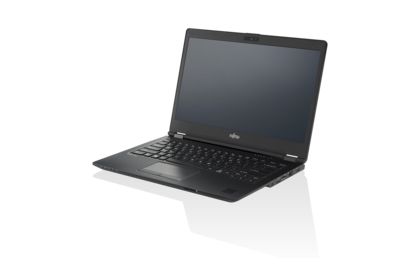
Fujitsu Lifebook U748 RAM upgrade specifications indicate DDR4-SDRAM memory compatibility with maximum capacity of 32 GB. The laptop contains 2x SO-DIMM memory slots, supporting DDR4-SDRAM modules operating at 2400 MHz frequency. Compatible RAM upgrades utilize the SO-DIMM form factor standard for portable computing devices. Specifications define memory compatibility parameters and maximum supported upgrade capacity for the U748 model.
Memory Upgrade Specifications
| Specification | Value |
|---|---|
| Memory slots | 2x SO-DIMM |
| Form factor | SO-DIMM |
| Memory type | DDR4-SDRAM |
| Frequency | 2400 MHz |
| Maximum RAM | 32 GB |
| Voltage | 1.2V |
| Number of pins | 260-pin |
| Interface | PC4 |
| PC Speed Rating | PC4-2400 (PC4-19200) |
| Bandwidth | 19.2 GB/s |
| Laptop Release date | 20 January 2018 |
Additional Notes
- The 2x SO-DIMM architecture requires matched pairs for dual-channel operation; installing a single module will halve memory bandwidth and degrade multitasking performance relative to the system's capability.
- DDR4-2400 MHz compatibility constrains upgrades to modules rated at 2400 MHz or lower; faster DDR4 variants (2666, 3200 MHz) will downclock to 2400 MHz, wasting cost on higher-speed silicon.
- The 32 GB ceiling represents a hard limit imposed by UEFI firmware addressing; no BIOS update can extend capacity beyond this threshold on this chipset generation.
- SO-DIMM form factor limits sourcing to mobile-grade modules, which typically cost 15-25 percent more per gigabyte than desktop DDR4-SODIMM equivalents at identical speed ratings.
- Two-slot architecture creates upgrade inflexibility; transitioning from 8 GB (2x4) to 32 GB (2x16) requires discarding both existing modules rather than adding to them, generating electronic waste.
- DDR4-2400 MHz represents a lower-speed generation; applications with high memory bandwidth demands (video processing, large dataset manipulation) will experience latency bottlenecks compared to systems with DDR4-3200 or newer DDR5 memory.
- SO-DIMM modules lack the thermal mass of desktop DIMMs; passive cooling relies on case airflow, so configurations running sustained workloads near the 32 GB capacity may require thermal throttling under inadequate ventilation.