GIGABYTE Gaming G5 KC-5EE1130SH RAM upgrade specifications

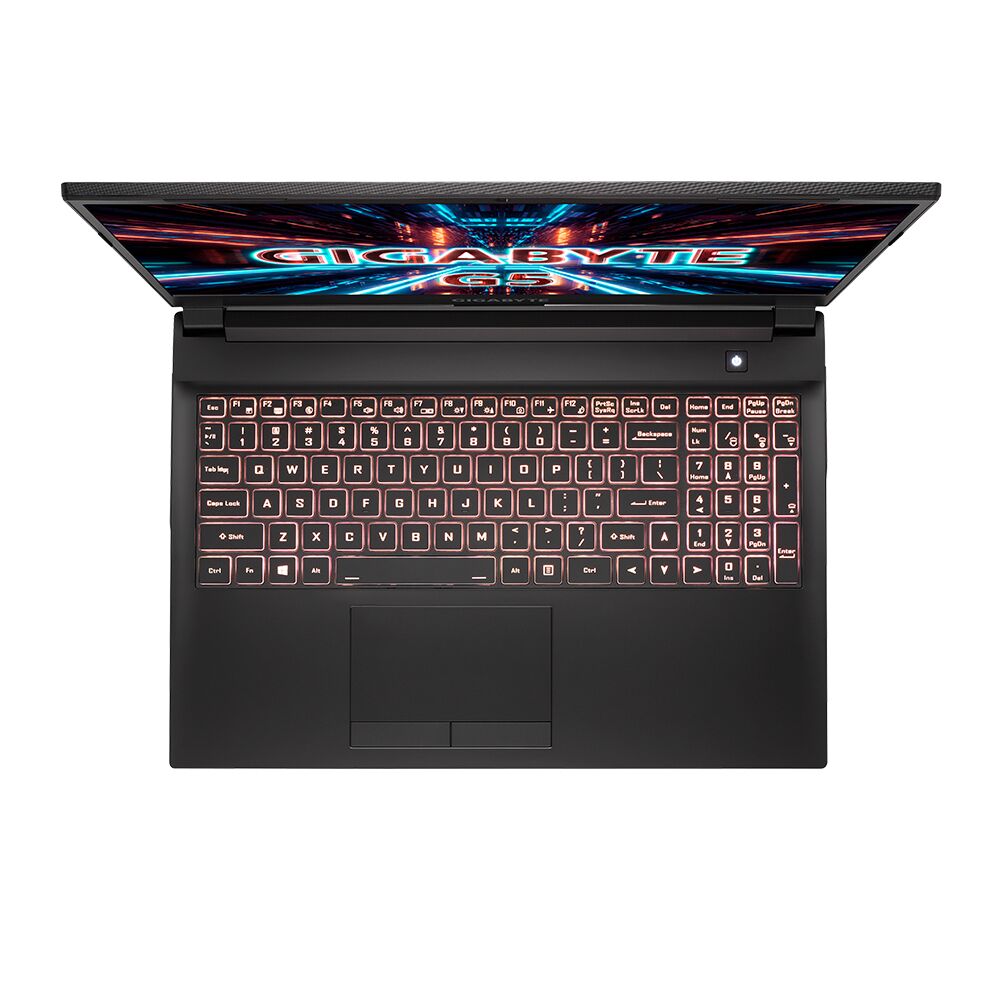
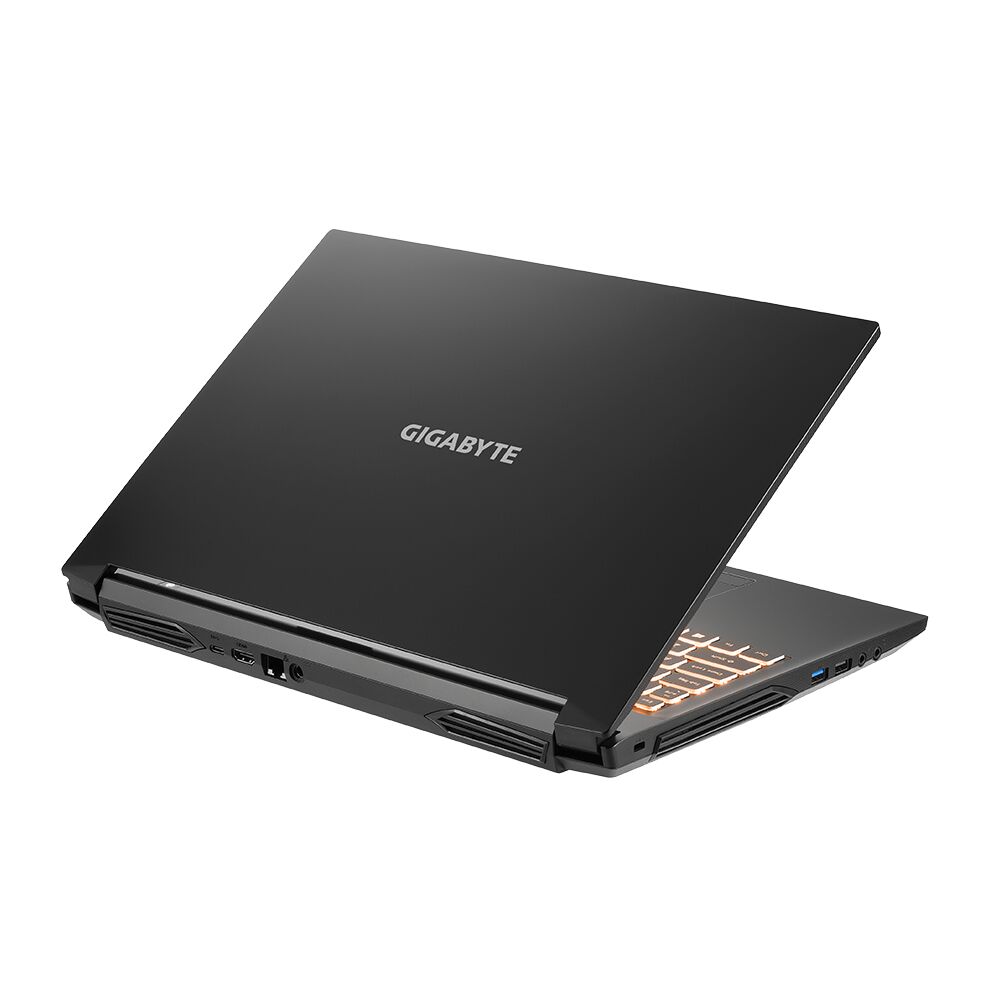
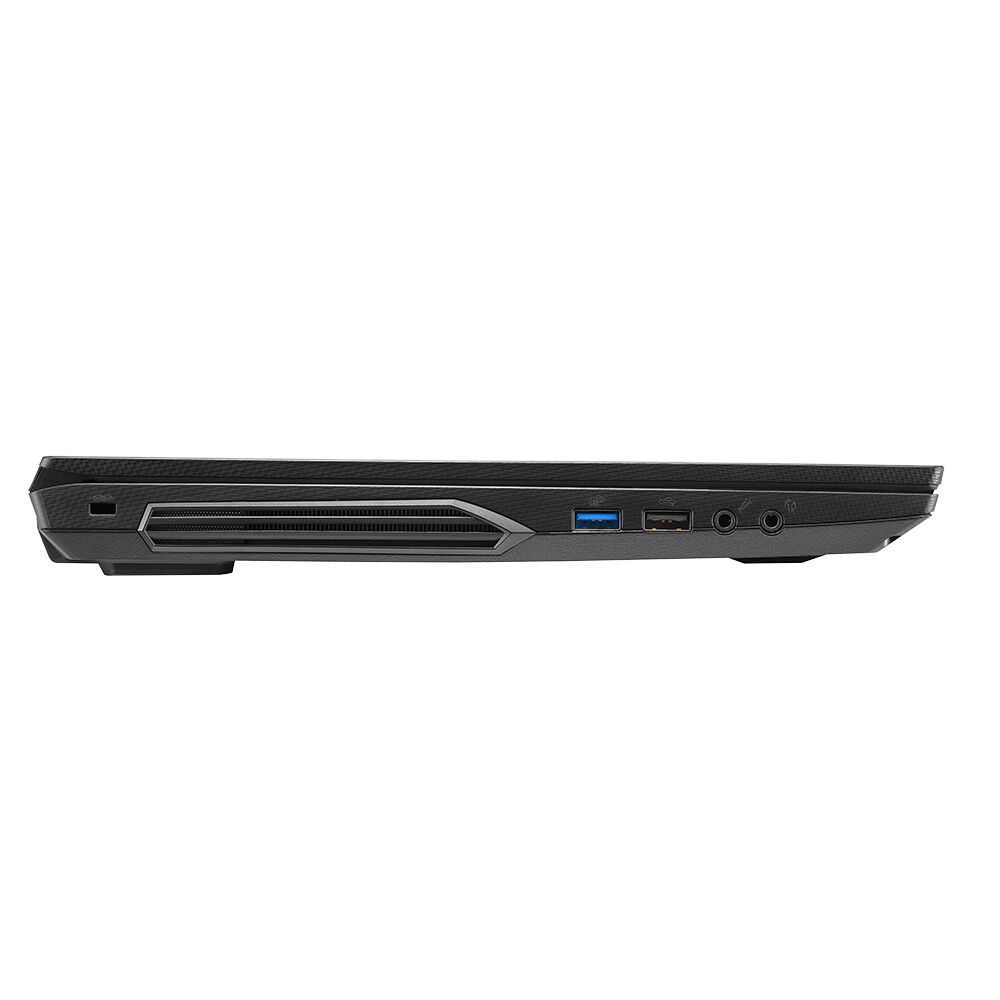
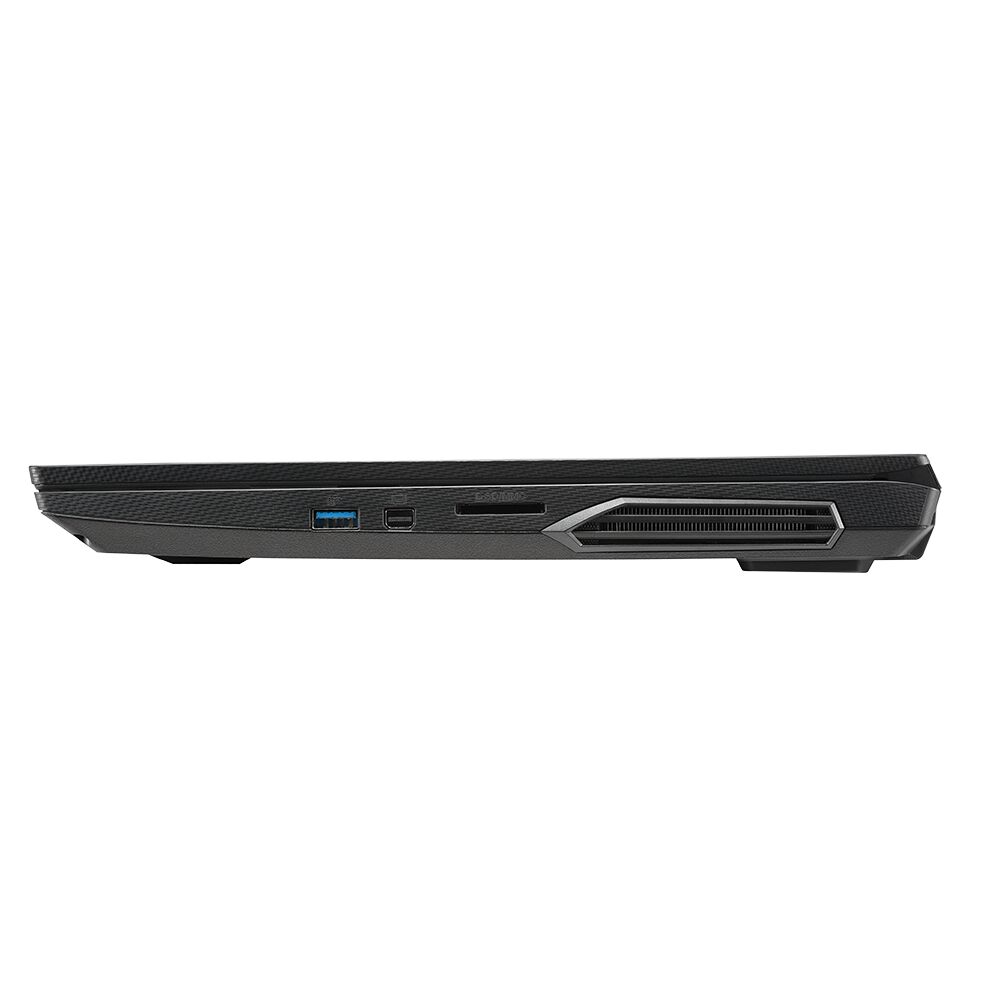
The GIGABYTE G5 KC-5EE1130SH gaming laptop features DDR4-SDRAM memory with 2x SO-DIMM slots, supporting a maximum RAM capacity of 64 GB. The upgrade specifications indicate compatibility with DDR4 memory modules operating at 3200 MHz frequency. The SO-DIMM form factor designates the physical dimensions and configuration required for compatible memory upgrades. The G5 series from GIGABYTE accommodates dual memory slots, enabling users to expand the laptop's RAM capacity. Specifications confirm the memory upgrade slots support standard DDR4-SDRAM technology for enhanced multitasking and performance capabilities.
Memory Upgrade Specifications
| Specification | Value |
|---|---|
| Memory slots | 2x SO-DIMM |
| Form factor | SO-DIMM |
| Memory type | DDR4-SDRAM |
| Frequency | 3200 MHz |
| Maximum RAM | 64 GB |
| Voltage | 1.2V |
| Number of pins | 260-pin |
| Interface | PC4 |
| PC Speed Rating | PC4-3200 (PC4-25600) |
| Bandwidth | 25.6 GB/s |
| Laptop Release date | 01 September 2021 |
Additional Notes
- The GIGABYTE G5 KC gaming laptop operates with DDR4 memory architecture, which means replacement modules must match this standard exactly; DDR5 memory is physically incompatible with this system's slot configuration.
- Dual SO-DIMM slots permit symmetric dual-channel operation at rated frequency only when both slots contain matched capacity modules; populating a single slot restricts bandwidth utilization and negates performance benefits from the 3200 MHz frequency specification.
- The 64 GB maximum capacity ceiling is achieved only through 2x32 GB SO-DIMM configuration; this represents the practical upgrade limit regardless of future memory density advances in the SO-DIMM form factor.
- Stock configuration likely contains 2x8 GB or 2x16 GB modules; upgrading from 16 GB total to 64 GB requires replacement of both existing DIMMs rather than additive installation, as single-slot capacity limits prevent mixed-capacity pairing without performance degradation.
- Memory frequency stability at 3200 MHz depends on BIOS settings and module quality; third-party modules rated for 3200 MHz may require manual frequency adjustment in UEFI firmware to achieve specified performance, as automatic detection sometimes defaults to JEDEC baseline speeds.
- Warranty preservation requires modules from recognized manufacturers with DDR4-3200 certification; using uncertified or overclocked memory variants voids manufacturer support despite physical compatibility.
- SO-DIMM slot access typically requires bottom panel removal; this disassembly procedure does not trigger warranty flags on most gaming laptops when performed by end-users, but verification against the system's specific warranty documentation remains necessary.