HP Chromebook 11A RAM upgrade specifications
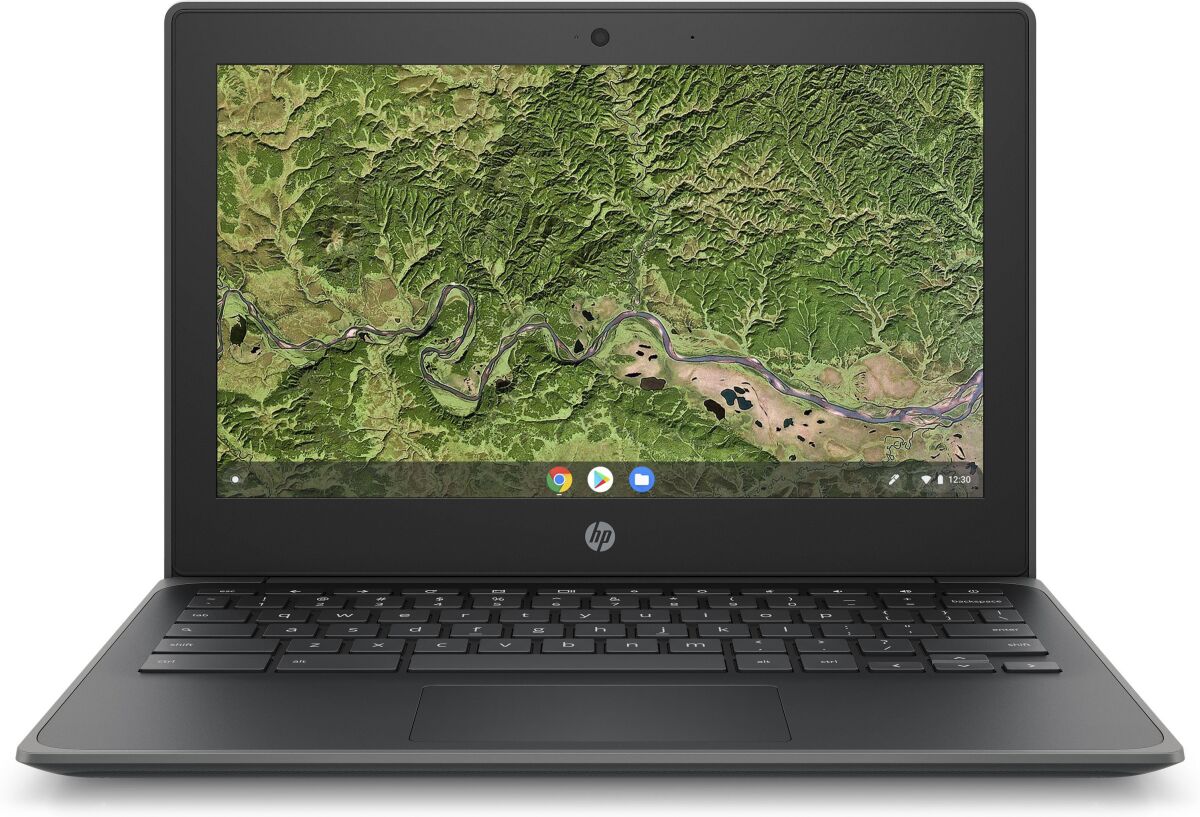
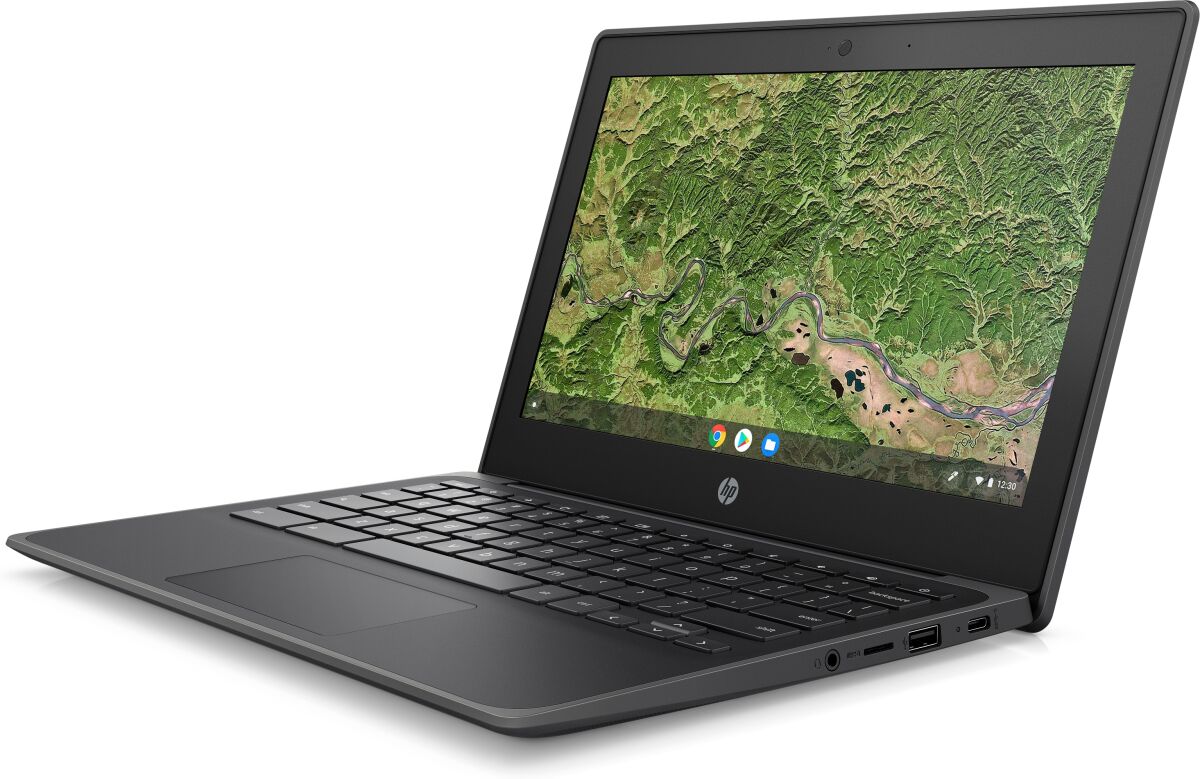
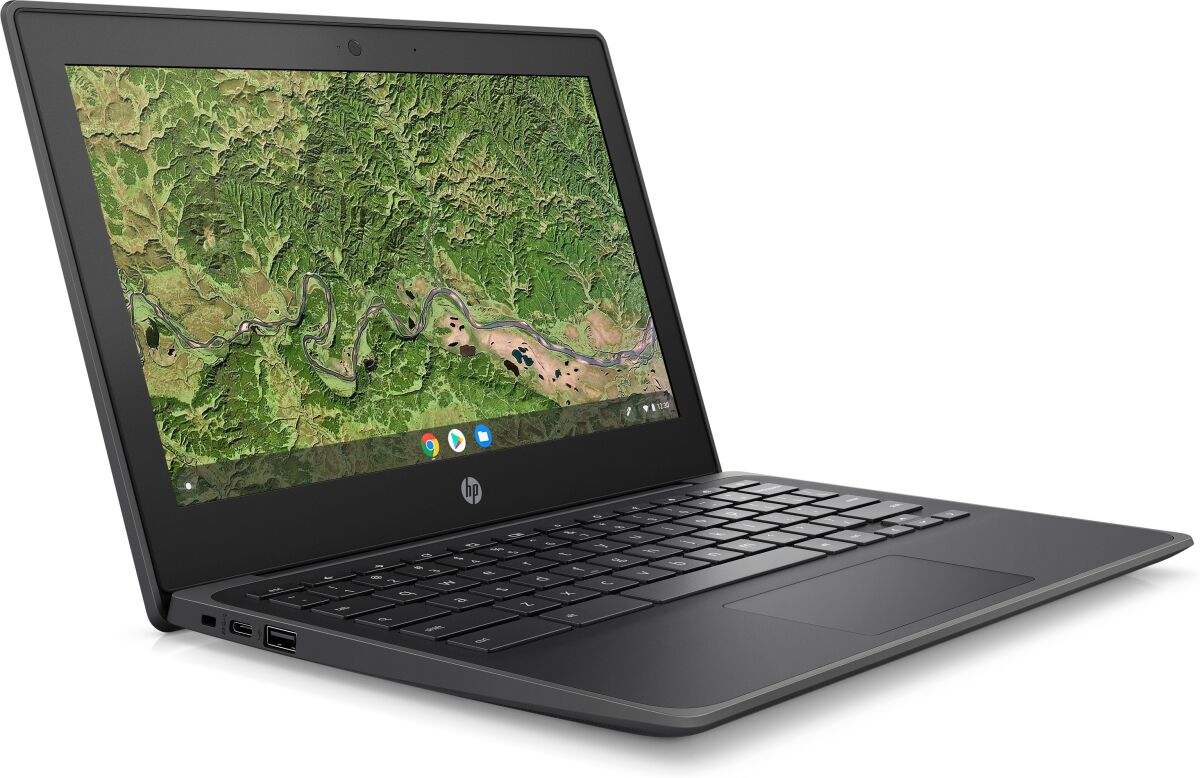

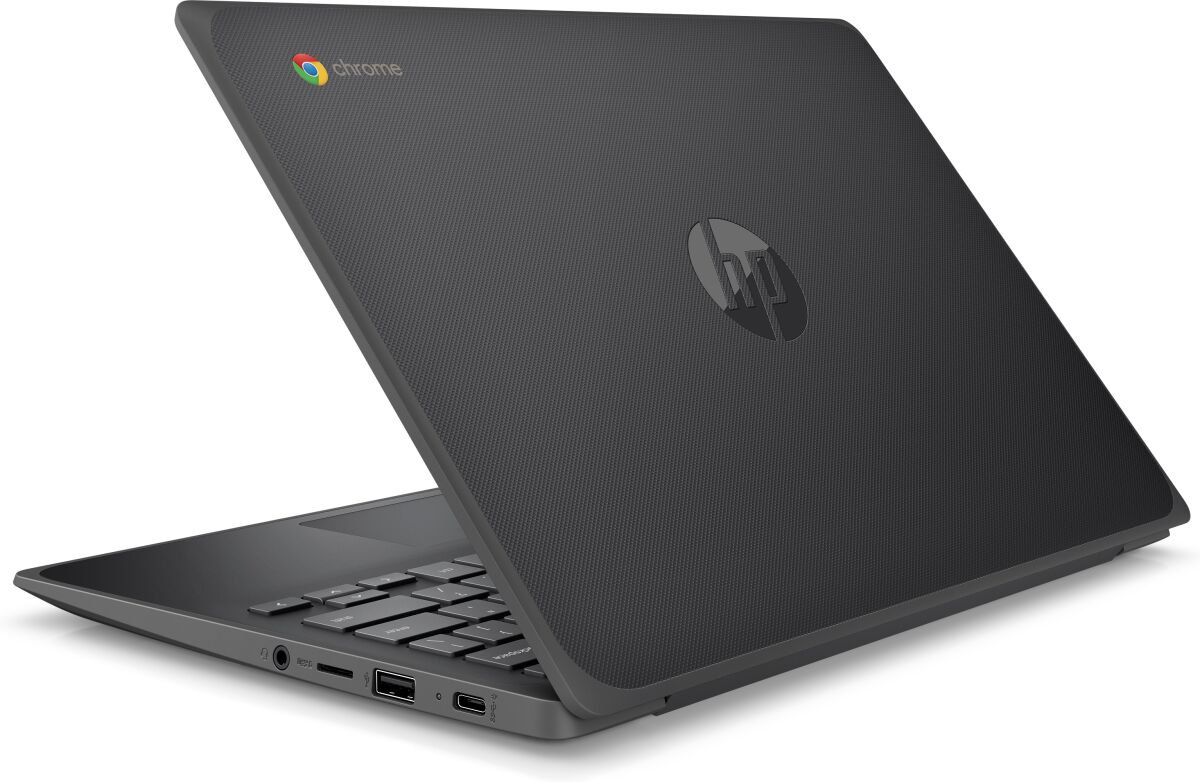
HP Chromebook 11A RAM upgrade specifications include one SO-DIMM memory slot supporting DDR4-SDRAM modules. Maximum memory capacity reaches 4 GB total. Compatible upgrades must utilize SO-DIMM form factor operating at 1866 MHz frequency. HP Chromebook 11A series specifications define memory configuration supporting single-slot expansion. Existing memory may be replaced with higher-capacity DDR4-SDRAM modules within maximum 4 GB capacity limitation. RAM upgrade compatibility requires matching SO-DIMM specifications and 1866 MHz frequency requirements for HP Chromebook 11A model.
Memory Upgrade Specifications
| Specification | Value |
|---|---|
| Memory slots | 1x SO-DIMM |
| Form factor | SO-DIMM |
| Memory type | DDR4-SDRAM |
| Frequency | 1866 MHz |
| Maximum RAM | 4 GB |
| Voltage | 1.2V |
| Number of pins | 260-pin |
| Interface | PC4 |
| PC Speed Rating | PC4-1866 (PC4-14928) |
| Bandwidth | 14.9 GB/s |
| Laptop Release date | 01 March 2020 |
Additional Notes
- The HP Chromebook 11A utilizes DDR4 technology running at a non-standard 1866 MHz frequency, which falls below the JEDEC DDR4 baseline of 2133 MHz and suggests power-optimized mobile memory bins.
- The single SO-DIMM configuration prevents dual-channel memory operation, limiting memory bandwidth to approximately 14.9 GB/s theoretical maximum at the specified frequency.
- The 4 GB ceiling indicates either BIOS-enforced limitations or chipset restrictions common in entry-level Chrome OS devices, making capacity expansion beyond factory configuration impossible regardless of module availability.
- Chrome OS architecture relies heavily on memory compression and swap-to-disk mechanisms, meaning the non-upgradeable 4 GB specification becomes a hard constraint for tab management and Android app multitasking performance.
- Modules must match both the uncommon 1866 MHz speed bin and DDR4 SO-DIMM form factor, significantly narrowing compatible replacement inventory compared to standard 2400 MHz or 3200 MHz consumer modules.
- The solitary slot design requires complete module replacement rather than additive expansion, eliminating the possibility of preserving existing memory investment during upgrades.
- Operating below standard DDR4 frequencies reduces power consumption but proportionally decreases throughput, creating a fixed performance envelope for memory-intensive browser workloads.
- Most DDR4 SO-DIMM modules default to 2133 MHz or higher via SPD profiles, requiring motherboard support for automatic downclocking to the 1866 MHz specification to maintain stability.