HP Chromebook 11A G6 EE RAM upgrade specifications


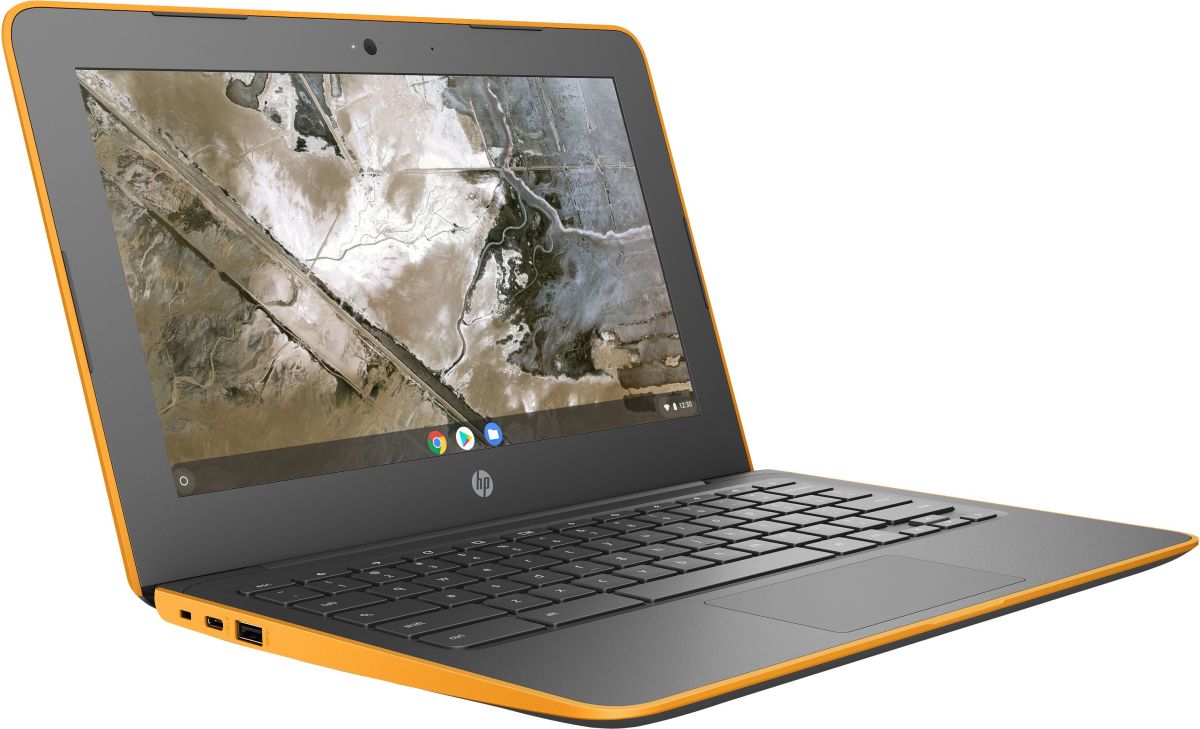


HP Chromebook 11A G6 EE memory upgrade specifications detail DDR4-SDRAM compatibility with single SO-DIMM slot capacity. Maximum RAM supported reaches 4 GB at 2666 MHz frequency. Upgrade specifications indicate compatible memory modules function within SO-DIMM form factor constraints. RAM slots accommodate one memory module for potential system memory expansion. Specifications confirm DDR4-SDRAM technology requirements for HP 11A G6 EE Chromebook series upgrades.
Memory Upgrade Specifications
| Specification | Value |
|---|---|
| Memory slots | 1x SO-DIMM |
| Form factor | SO-DIMM |
| Memory type | DDR4-SDRAM |
| Frequency | 2666 MHz |
| Maximum RAM | 4 GB |
| Voltage | 1.2V |
| Number of pins | 260-pin |
| Interface | PC4 |
| PC Speed Rating | PC4-2666 (PC4-21328) |
| Bandwidth | 21.3 GB/s |
| Laptop Release date | 01 April 2019 |
Additional Notes
- The HP Chromebook 11A G6 EE contains a single memory slot, which eliminates dual-channel configuration benefits and means any upgrade replaces the existing module rather than adding capacity alongside it.
- The 4 GB maximum capacity ceiling reflects Chrome OS architecture requirements rather than hardware limitations, establishing a practical upper bound for this device class regardless of SO-DIMM availability at higher densities.
- DDR4-2666 MHz operation provides sufficient bandwidth for Chrome OS task switching and web application performance, but represents a generation behind current DDR4 standards, restricting module sourcing to legacy inventory or specialized educational channels.
- SO-DIMM form factor requires low-profile modules with specific retention clip geometry; standard notebook DDR4 sticks will not seat properly, necessitating verified compatibility confirmation before purchase.
- Any RAM upgrade on this device involves opening the chassis and disconnecting internal components, which may void manufacturer coverage depending on whether the upgrade is performed by authorized service technicians or end-users.
- The single-slot architecture means memory expansion cannot address performance constraints if applications exceed available capacity; the device would require replacement rather than module supplementation.