GIGABYTE Gaming G5 KC-5PT1130SD RAM upgrade specifications
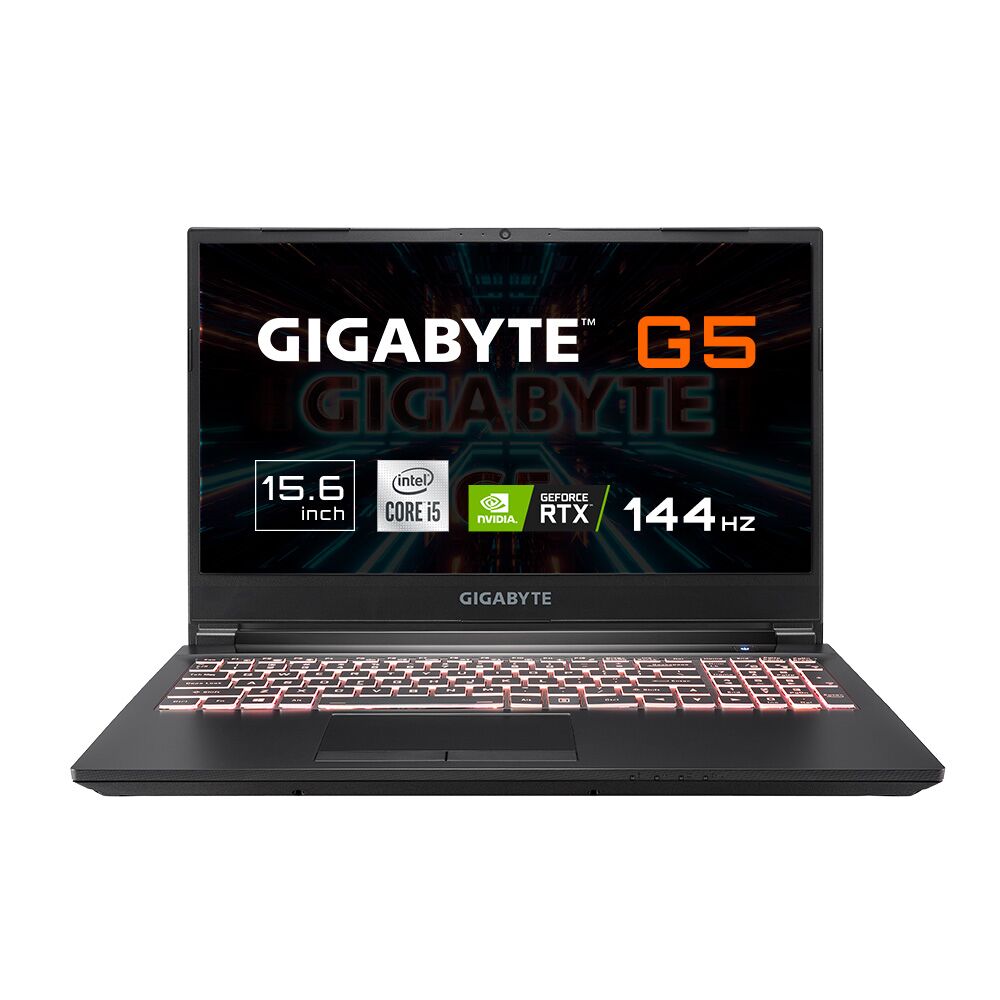
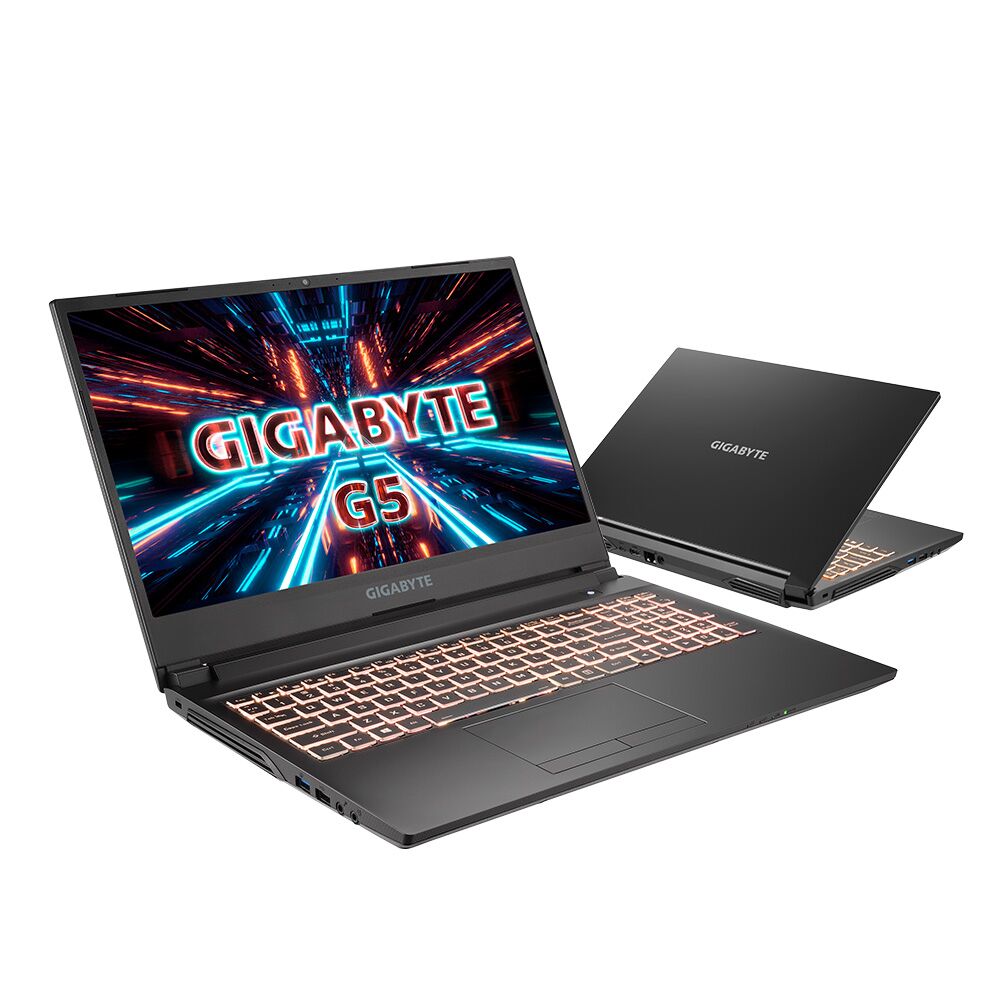
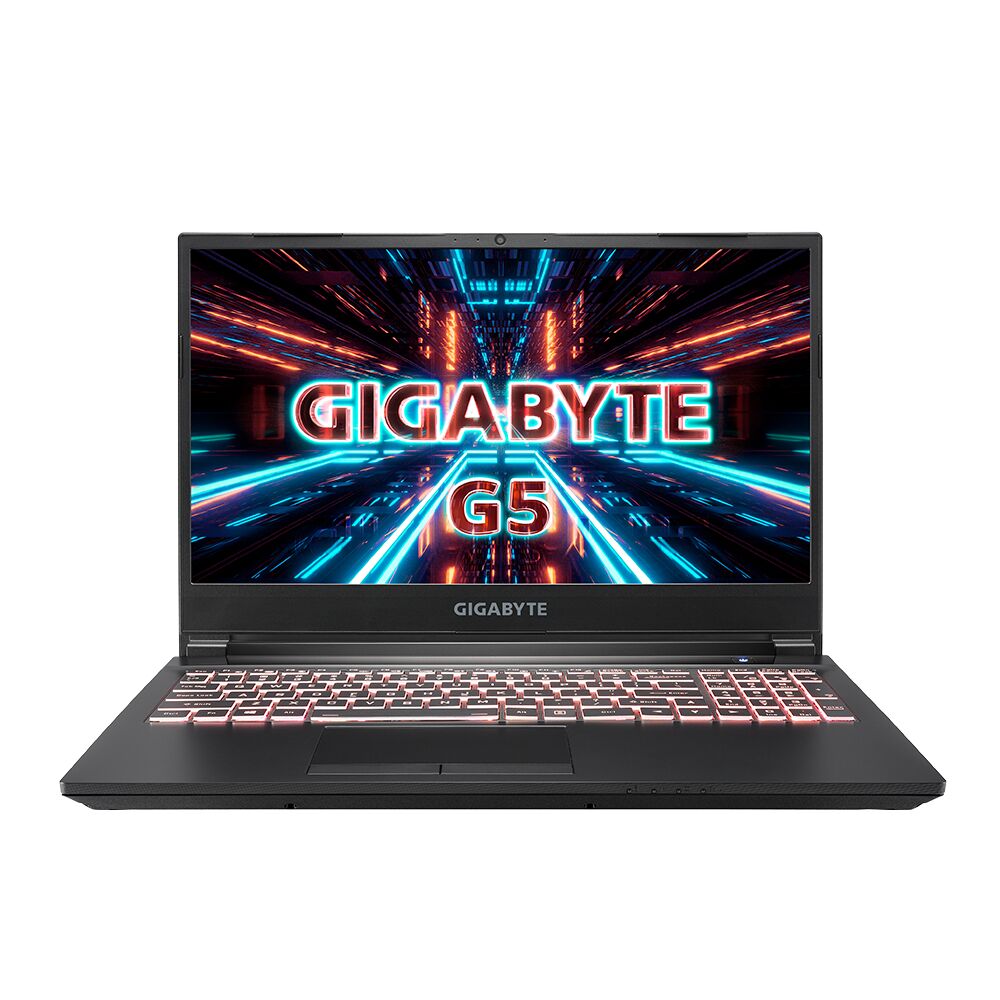
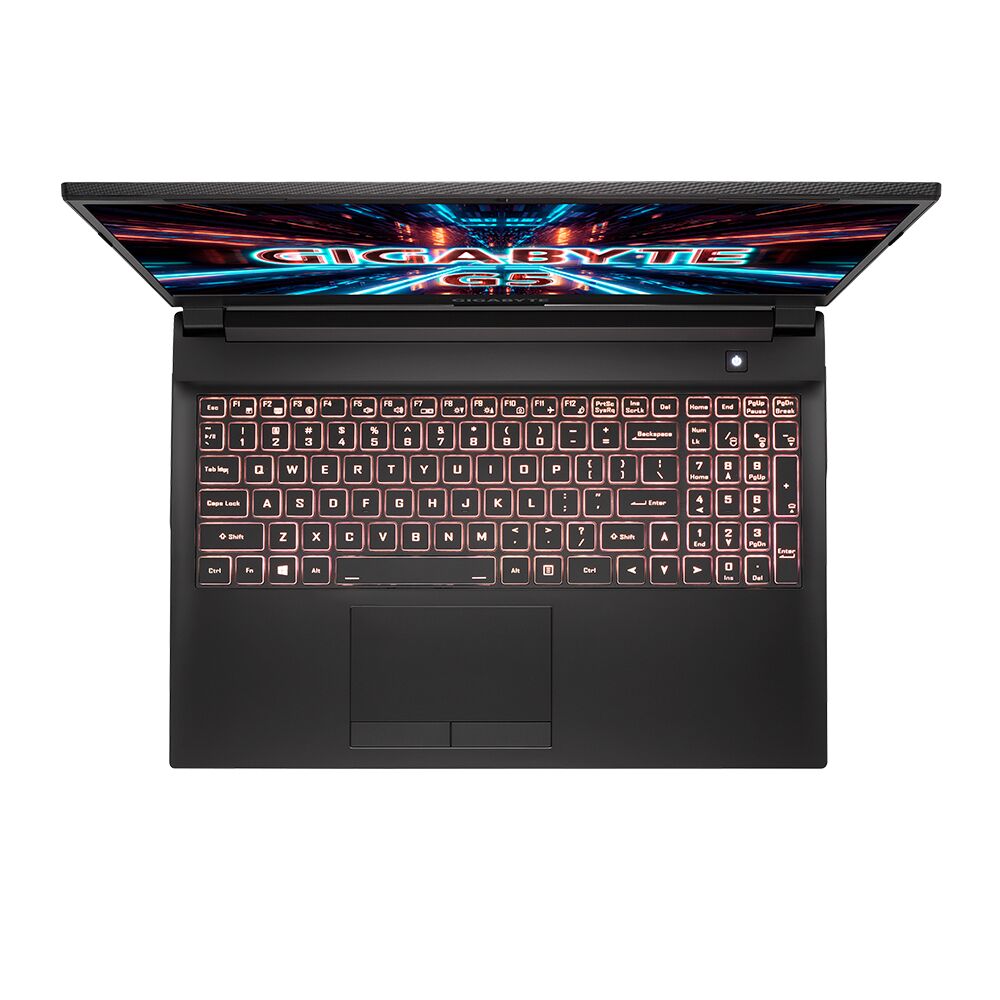
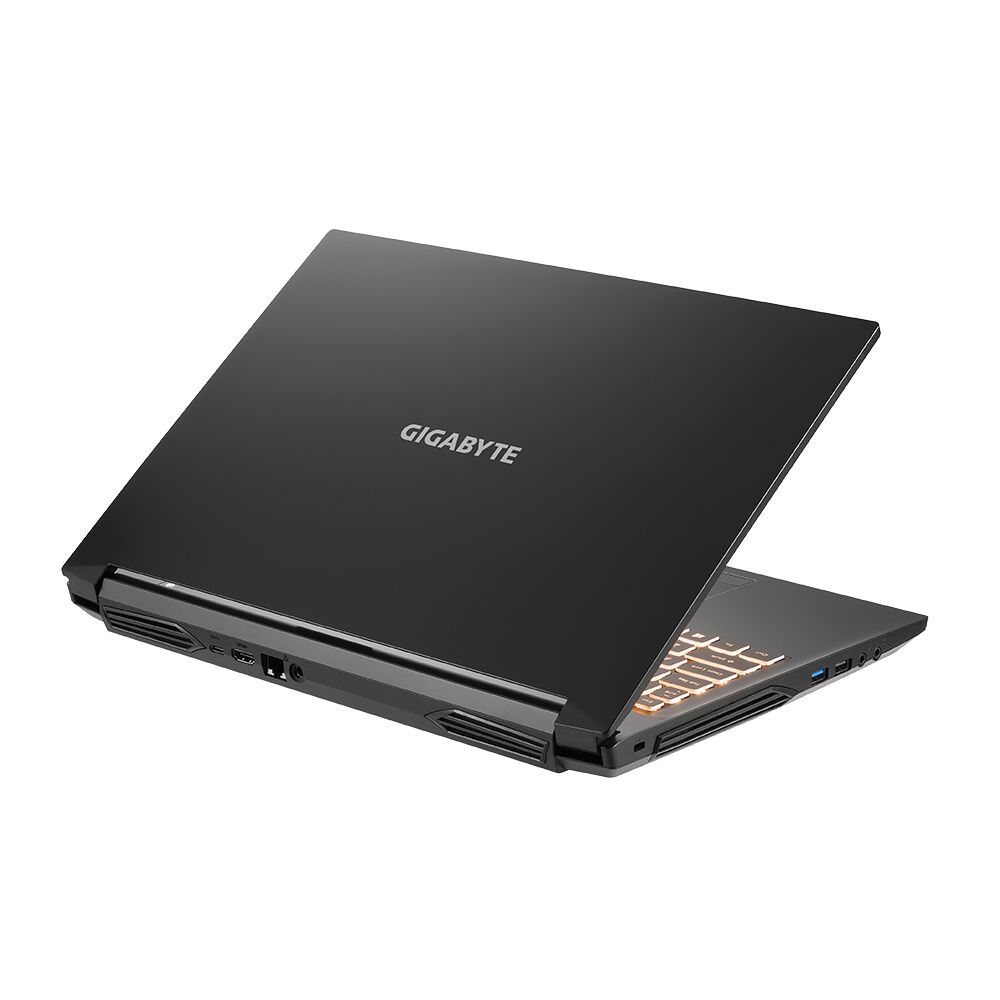
The GIGABYTE G5 KC-5PT1130SD Gaming series laptop features DDR4-SDRAM memory specifications supporting upgrades through dual SO-DIMM slots. Maximum compatible RAM capacity reaches 64 GB, with memory operating at 3200 MHz frequency. Current upgrade specifications indicate SO-DIMM form factor modules are required for memory expansion on this GIGABYTE model.
Memory Upgrade Specifications
| Specification | Value |
|---|---|
| Memory slots | 2x SO-DIMM |
| Form factor | SO-DIMM |
| Memory type | DDR4-SDRAM |
| Frequency | 3200 MHz |
| Maximum RAM | 64 GB |
| Voltage | 1.2V |
| Number of pins | 260-pin |
| Interface | PC4 |
| PC Speed Rating | PC4-3200 (PC4-25600) |
| Bandwidth | 25.6 GB/s |
| Laptop Release date | 09 June 2021 |
Additional Notes
- The GIGABYTE G5 KC gaming laptop supports DDR4 memory modules exclusively, which constrains purchases to legacy inventory and may incur price premiums as DDR5 becomes market standard.
- SO-DIMM slots number only 2, meaning maximum capacity expansion requires both slots occupied; partial upgrades from factory configuration sacrifice future memory density improvements.
- The 64 GB ceiling represents a practical limit for gaming and creative workloads; bandwidth saturation occurs before this threshold under simultaneous GPU-intensive and multi-threaded CPU tasks, particularly in content creation scenarios.
- DDR4-3200 MHz operation indicates the system controller supports JEDEC standard frequencies; third-party modules rated higher (3600+ MHz) will downclock automatically to 3200 MHz, eliminating performance gains from premium-tier RAM purchases.
- SO-DIMM form factor restricts module sourcing to mobile/laptop-grade products; desktop DDR4 DIMMs cannot physically fit, preventing cost-effective repurposing of desktop inventory during upgrades.
- The 2-slot architecture creates a single-point-of-failure scenario for total memory loss; failure of one module in a dual-module configuration renders the system unable to POST, whereas desktop multi-slot systems provide graceful degradation.
- Warranty considerations require SO-DIMM purchases from OEM-approved vendor lists; third-party modules may trigger support denial or require additional hardware diagnostics before claim acceptance.