HP Elitebook 840 14 G10 RAM upgrade specifications
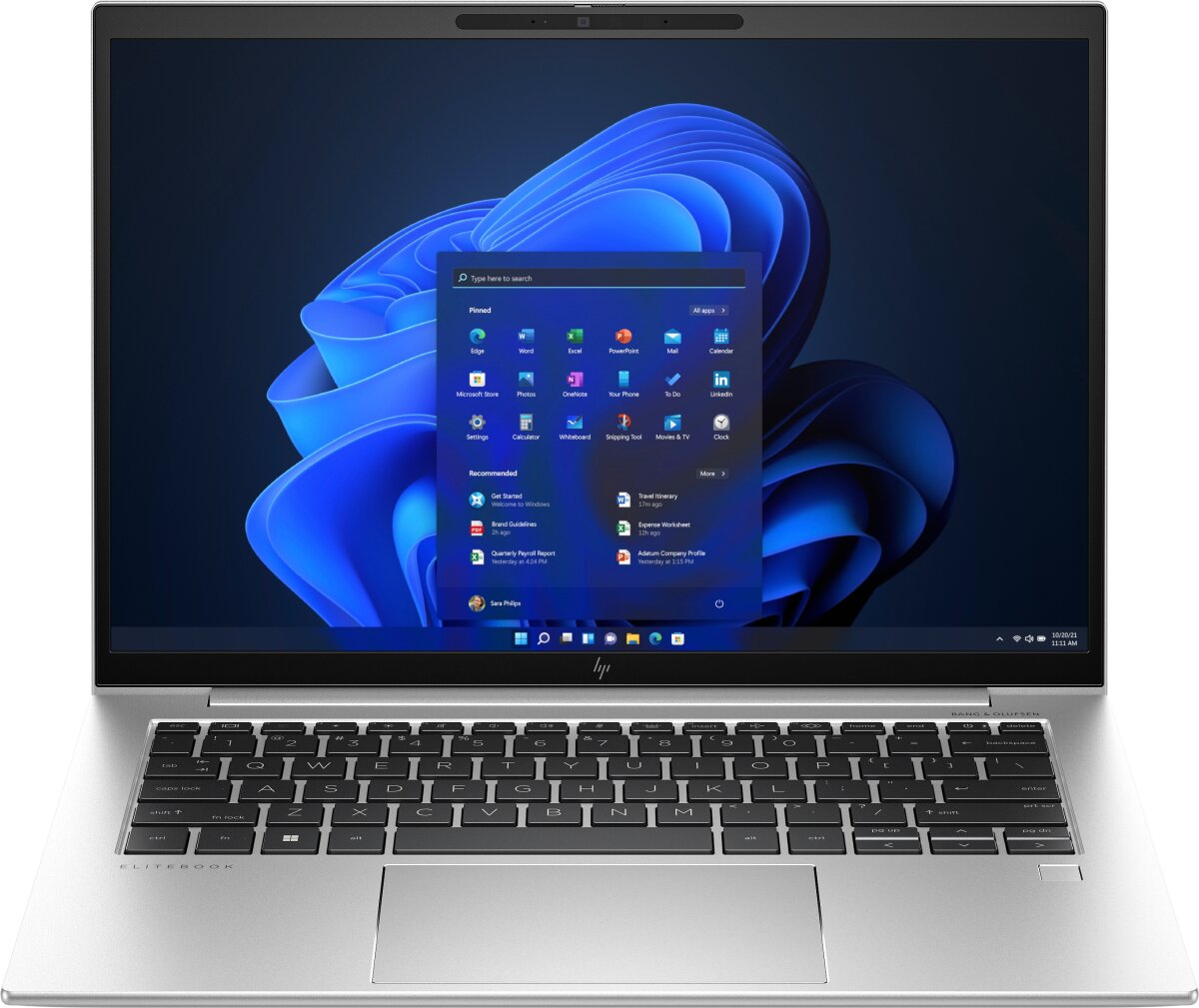
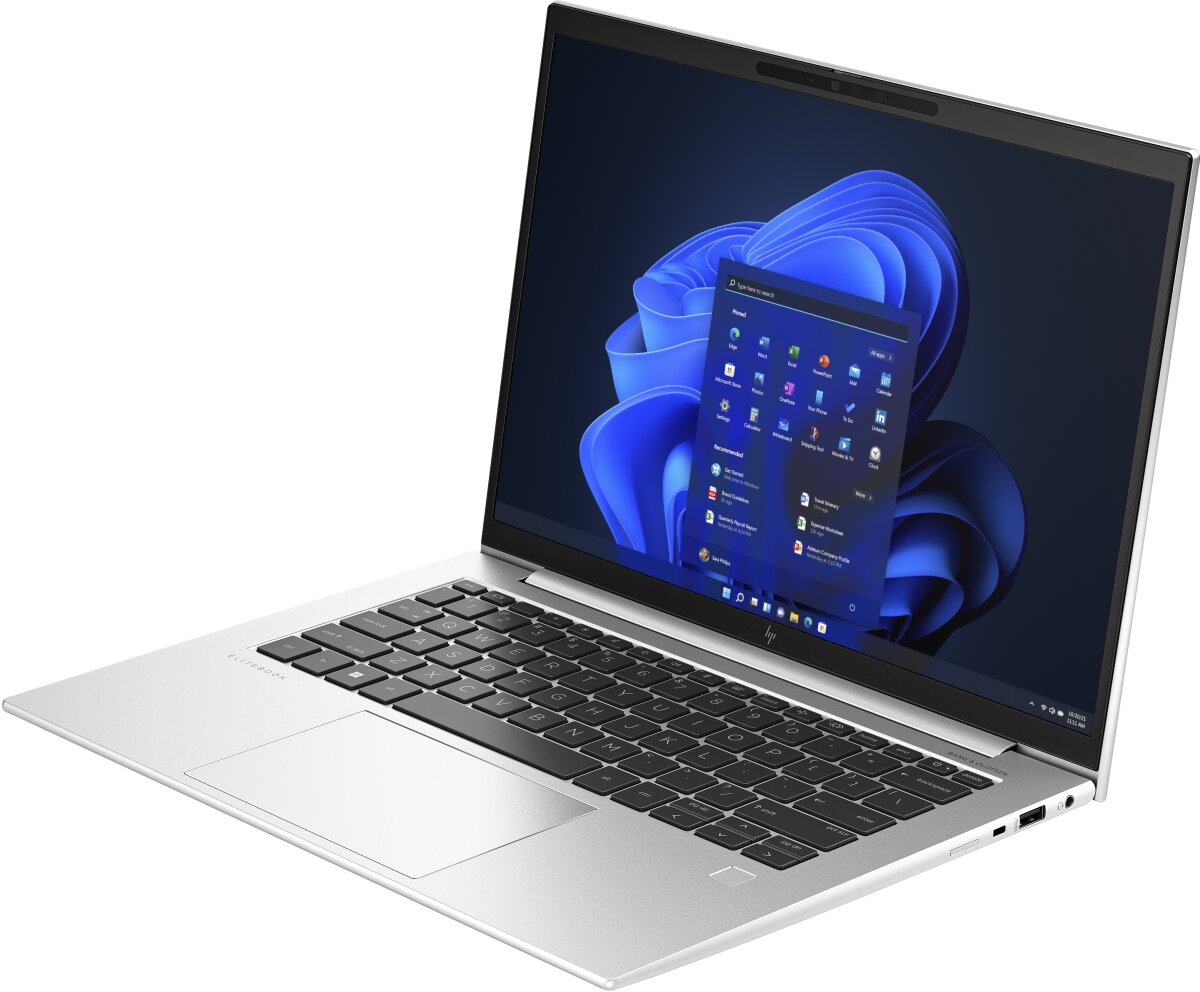
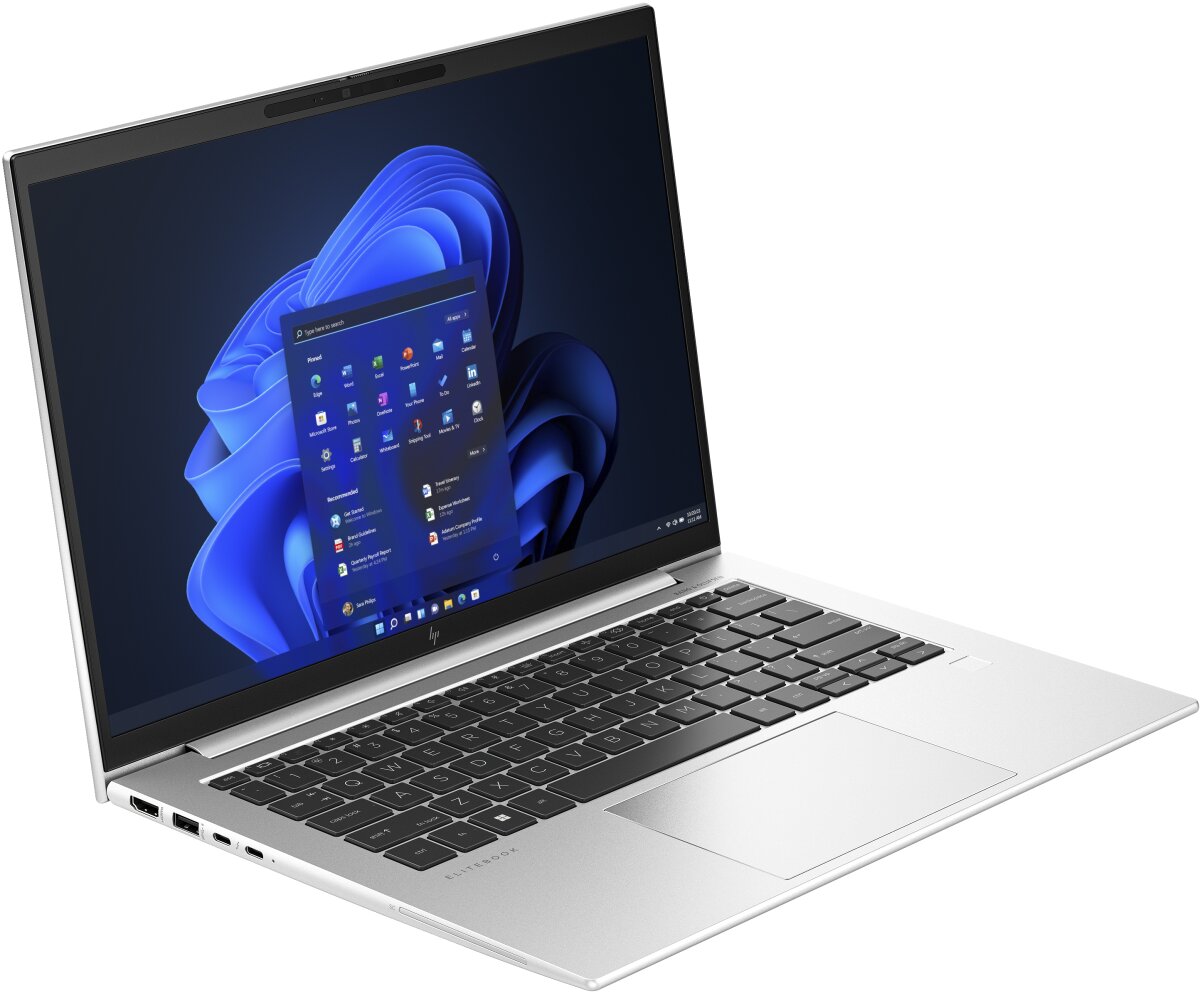

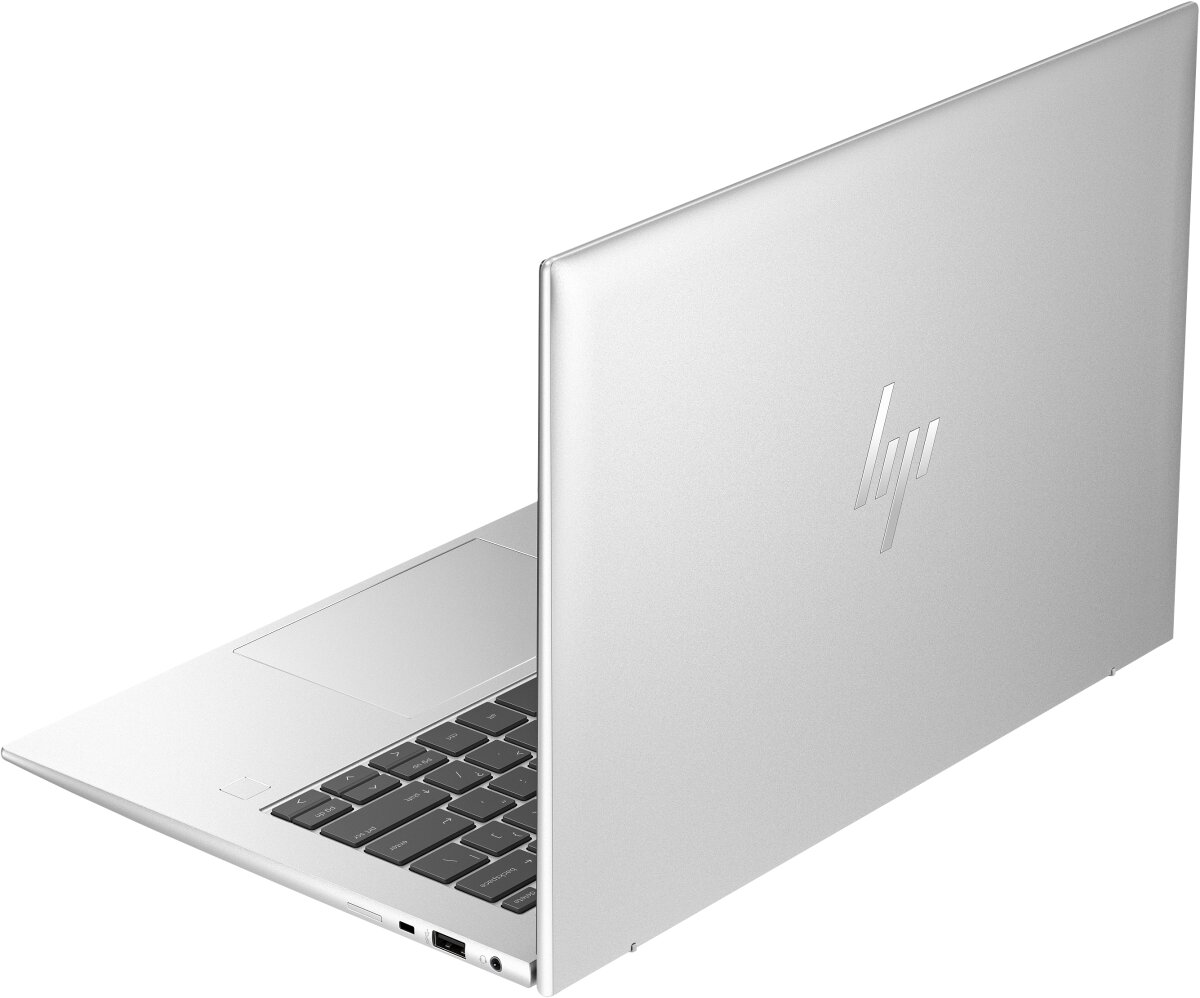
HP EliteBook 840 14 G10 RAM upgrade specifications include DDR5-SDRAM memory compatible with 2x SO-DIMM slots. Maximum memory capacity reaches 64 GB total. Compatible memory modules operate at 4800 MHz frequency. Upgrade options support SO-DIMM form factor modules. Specifications define maximum RAM configuration for HP EliteBook 800 Series Model 840 14 G10 laptops.
Memory Upgrade Specifications
| Specification | Value |
|---|---|
| Memory slots | 2x SO-DIMM |
| Form factor | SO-DIMM |
| Memory type | DDR5-SDRAM |
| Frequency | 4800 MHz |
| Maximum RAM | 64 GB |
| Voltage | 1.1V |
| Number of pins | 262-pin |
| Interface | PC5 |
| PC Speed Rating | PC5-4800 (PC5-38400) |
| Bandwidth | 38.4 GB/s |
| Laptop Release date | 01 April 2023 |
Additional Notes
- DDR5 memory operates at 4800 MHz, requiring SO-DIMM modules specifically rated for this frequency to avoid compatibility rejection by the BIOS or operation at reduced speeds.
- The 2 slot configuration in the HP Elitebook 840 14 G10 means both SO-DIMM positions must be populated to reach the 64 GB maximum, as single-slot configurations cannot achieve this capacity ceiling.
- Asymmetrical memory population (mismatched capacities or speeds across the 2 slots) may trigger fallback to single-channel mode or force downclocking of the faster module, reducing aggregate bandwidth below DDR5-4800 specifications.
- SO-DIMM modules cannot be physically installed in standard UDIMM slots; replacement requires sourcing laptop-specific memory form factors, limiting sourcing flexibility compared to desktop platforms.
- Upgrading from factory-installed memory to the 64 GB maximum requires removing both original SO-DIMMs, as the 2-slot architecture offers no mixed-capacity headroom for staged upgrades.
- DDR5-4800 modules from OEM-approved vendor lists maintain warranty coverage under HP's terms; third-party DDR5-4800 SO-DIMMs not on the qualified list may void memory-related support claims.
- Memory bandwidth utilization will plateau if the CPU or integrated graphics cannot saturate the DDR5 data pipeline; measured real-world throughput gains depend on workload parallelism rather than frequency alone.