HP Elitebook 840 14 G9 RAM upgrade specifications
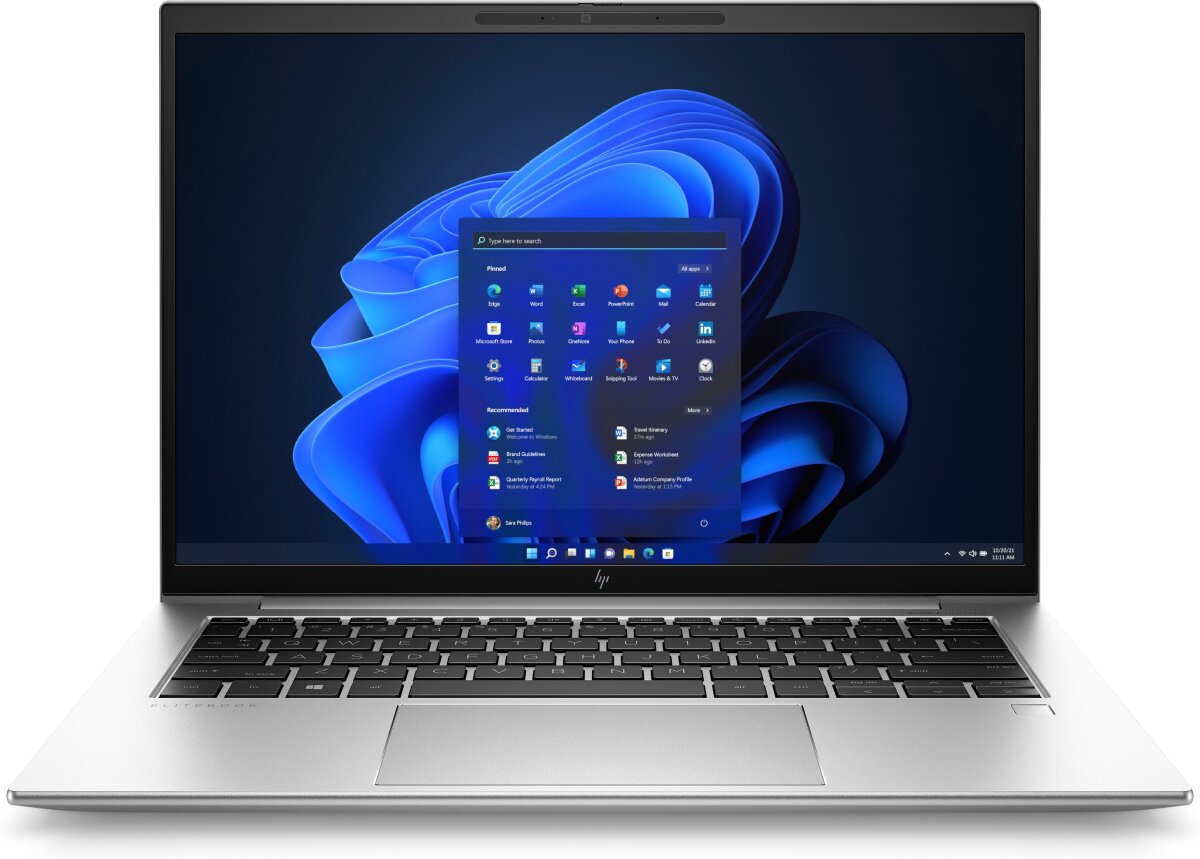
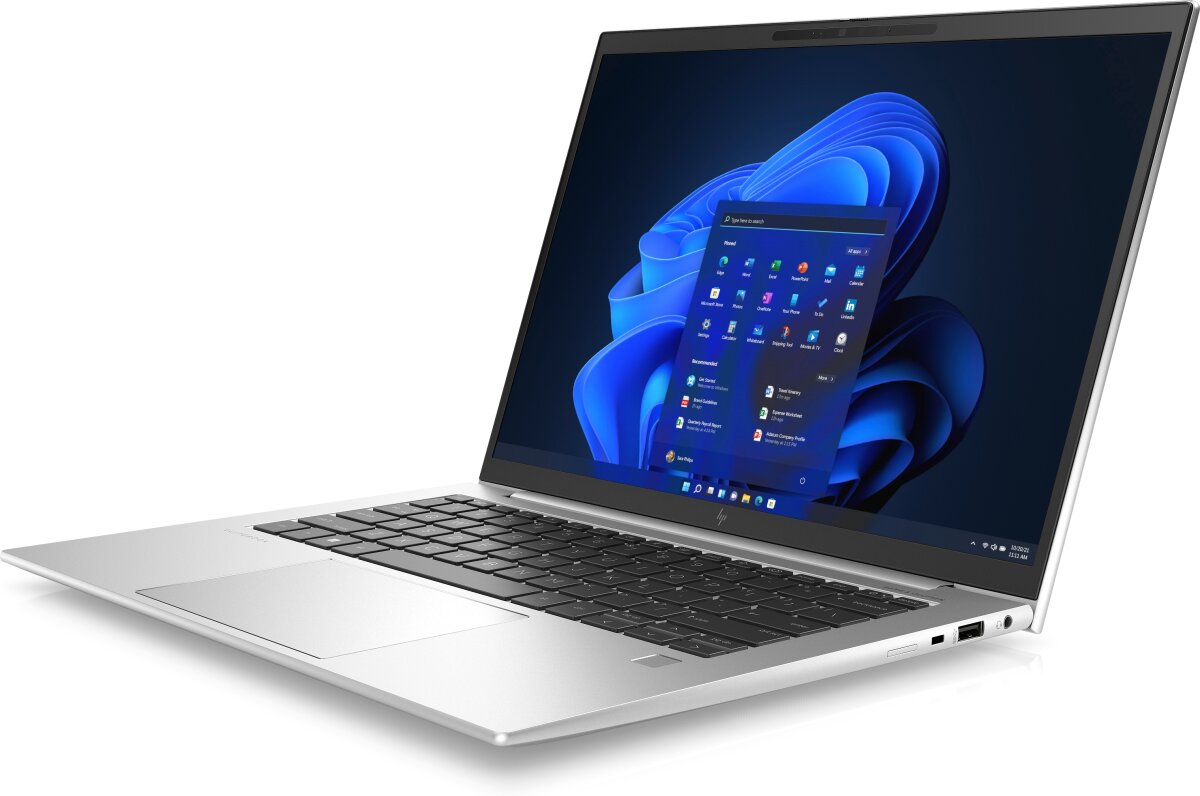
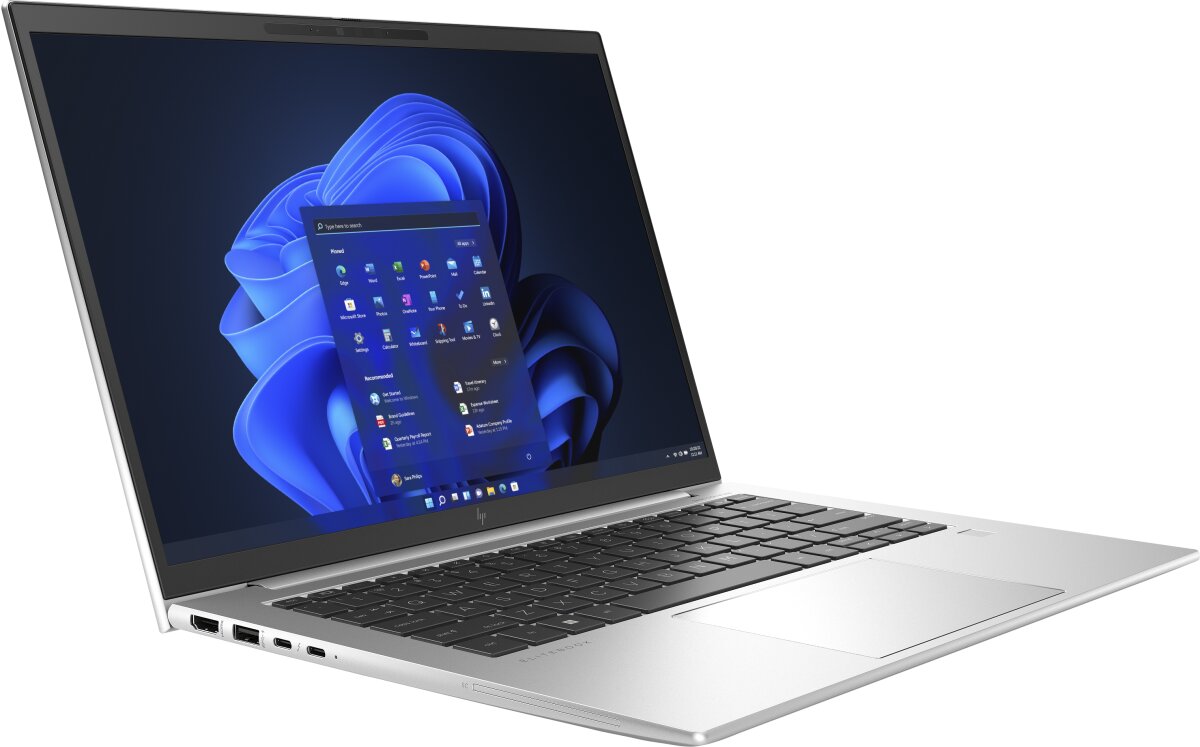

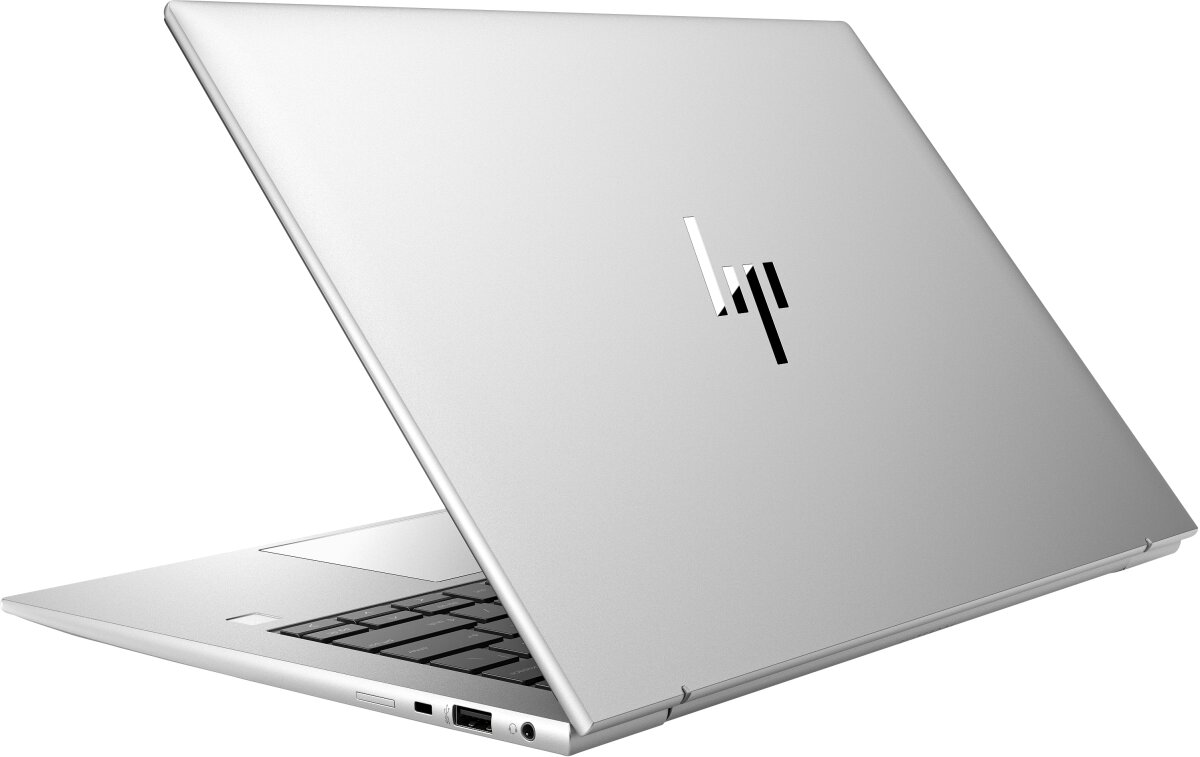
HP Elitebook 800 series 840 14 G9 laptop supports DDR5-SDRAM memory upgrade through two SO-DIMM slots. Maximum RAM capacity specifications indicate support for up to 64 GB total memory. Compatible memory modules operate at 4800 MHz frequency. Upgrade specifications define DDR5-SDRAM as the required memory type for this laptop model. SO-DIMM form factor slots accommodate standard memory upgrades compatible with Elitebook 840 14 G9 specifications.
Memory Upgrade Specifications
| Specification | Value |
|---|---|
| Memory slots | 2x SO-DIMM |
| Form factor | SO-DIMM |
| Memory type | DDR5-SDRAM |
| Frequency | 4800 MHz |
| Maximum RAM | 64 GB |
| Voltage | 1.1V |
| Number of pins | 262-pin |
| Interface | PC5 |
| PC Speed Rating | PC5-4800 (PC5-38400) |
| Bandwidth | 38.4 GB/s |
| Laptop Release date | 22 March 2023 |
Additional Notes
- The HP EliteBook 840 14 G9 accepts only DDR5 modules, making DDR4 memory physically incompatible due to different notch positioning on the SO-DIMM connector.
- DDR5 operates at 1.1V compared to DDR4's 1.2V, requiring specific voltage regulation that limits backward compatibility with older memory types.
- The 64 GB ceiling restricts configurations to either dual 32 GB modules or remains underutilized with smaller capacity pairings.
- Dual-channel architecture depends on populating both SO-DIMM slots with matched modules to achieve full memory bandwidth potential.
- Installing a single module halves the available memory bandwidth compared to dual-channel operation, affecting integrated graphics performance and memory-intensive applications.
- The 4800 MHz specification represents JEDEC standard speed for DDR5, while higher frequency modules will downclock to this baseline when installed.
- SO-DIMM modules rated beyond 4800 MHz offer no performance advantage in this system due to chipset frequency locking.
- Memory replacement requires bottom panel removal, which may void warranty seals depending on regional service policies.
- ECC SO-DIMM modules are physically installable but lack chipset support in consumer EliteBook variants, resulting in boot failure or disabled error correction.
- Mixing modules with different CAS latencies forces both to operate at the slower timing specification, potentially degrading performance below single-speed operation.
- The 12th generation Intel platform supports only DDR5 or DDR4 board variants, never both, making this a permanent architectural limitation.
- Upgrading from soldered memory configurations is impossible, as some G9 variants use integrated RAM that cannot be removed or supplemented.