HP Elitebook 850 G5 RAM upgrade specifications

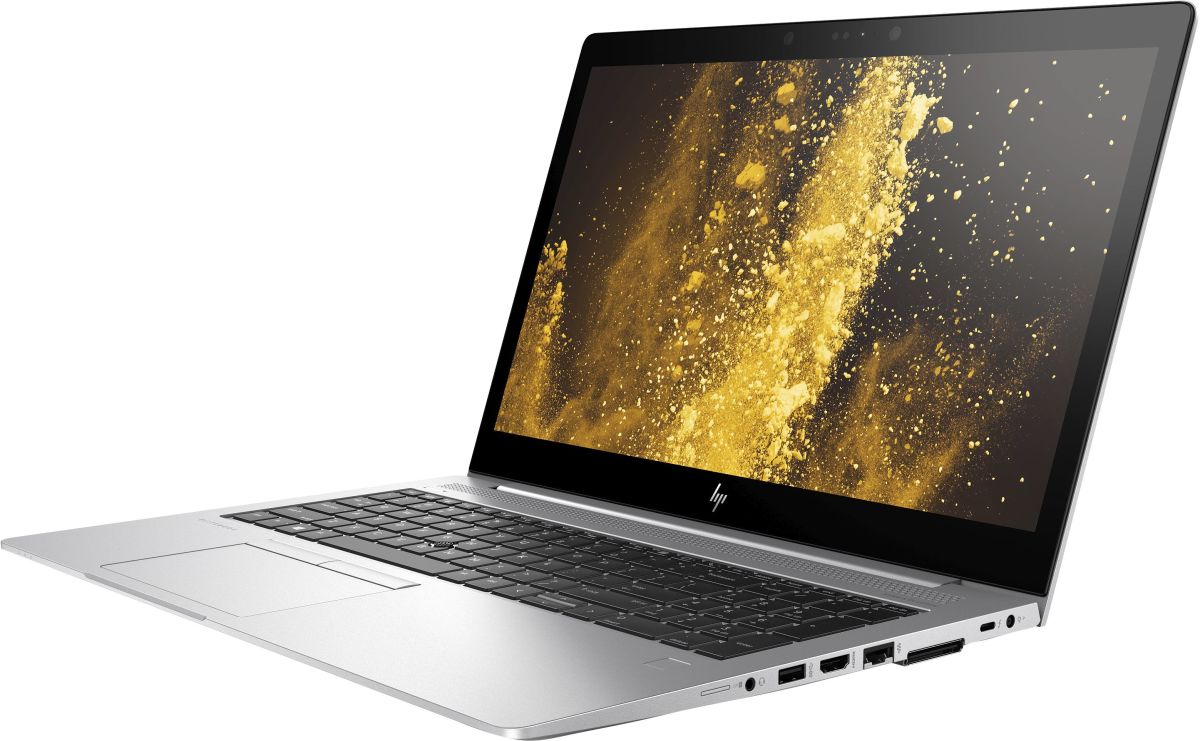

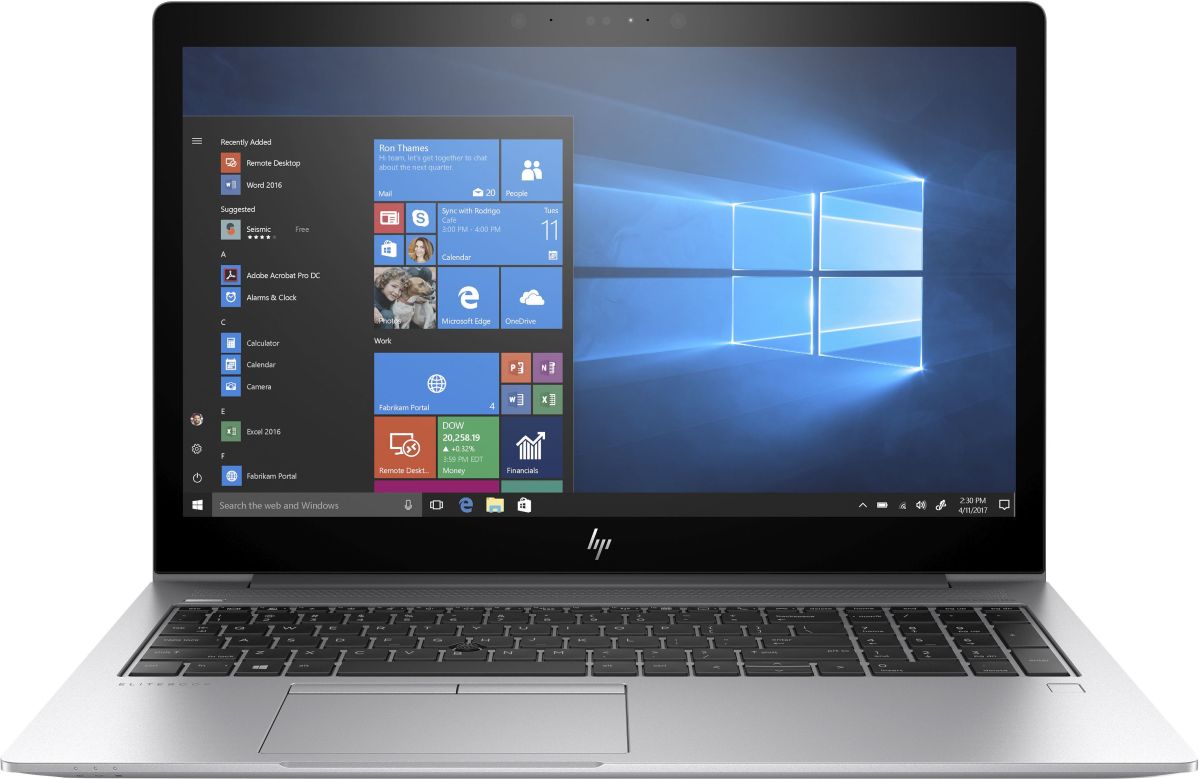
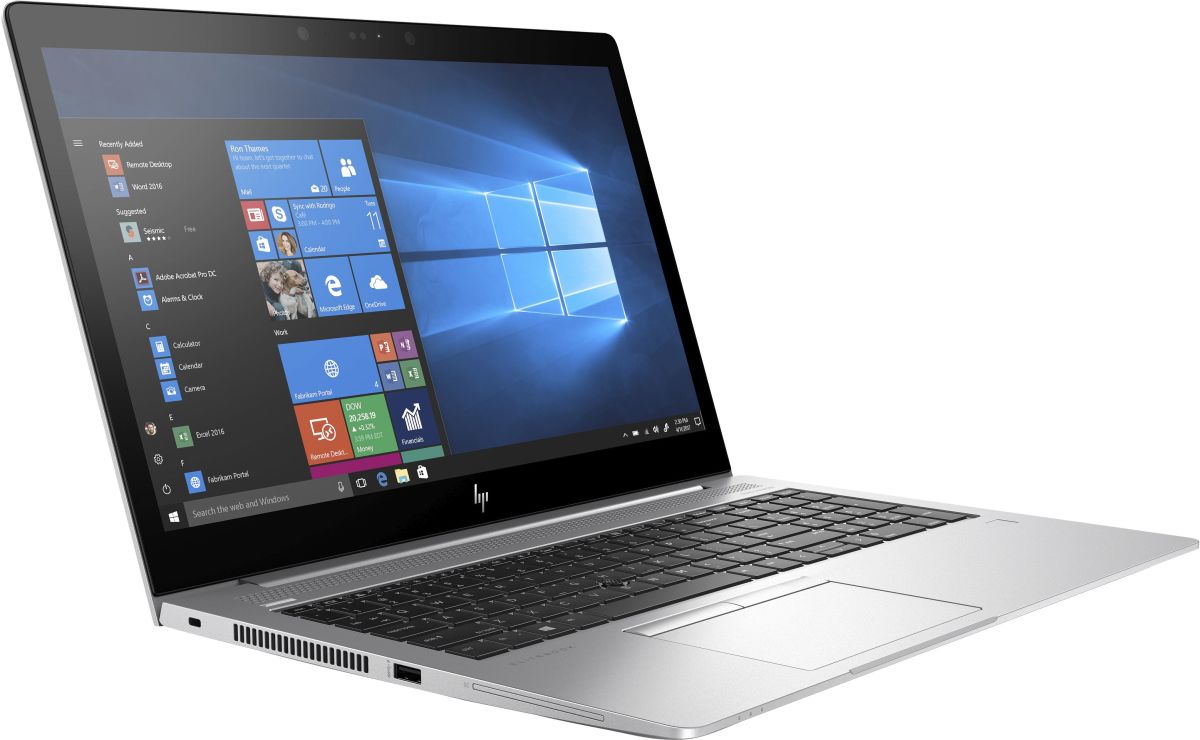
HP Elitebook 850 G5 RAM upgrade specifications detail compatible memory options for the 800 series laptop model. The system features two SO-DIMM slots supporting DDR4-SDRAM memory modules operating at 2400 MHz frequency. Maximum RAM capacity reaches 32 GB total when both memory slots are populated. Upgrade specifications confirm SO-DIMM form factor compatibility for memory expansion and performance enhancement on the HP Elitebook 850 G5 platform.
Memory Upgrade Specifications
| Specification | Value |
|---|---|
| Memory slots | 2x SO-DIMM |
| Form factor | SO-DIMM |
| Memory type | DDR4-SDRAM |
| Frequency | 2400 MHz |
| Maximum RAM | 32 GB |
| Voltage | 1.2V |
| Number of pins | 260-pin |
| Interface | PC4 |
| PC Speed Rating | PC4-2400 (PC4-19200) |
| Bandwidth | 19.2 GB/s |
| Laptop Release date | 07 February 2018 |
Additional Notes
- Dual channel architecture requires matching module capacities and timings across both slots to achieve peak memory bandwidth and prevent synchronous latency issues.
- The hardware architecture imposes a hard limit of 16 GB per slot due to chipset address line restrictions within the 8th generation processor framework.
- Installation of memory modules exceeding 2400 MHz results in automatic downclocking to match the integrated memory controller speed limit set by the system firmware.
- Mixing modules of different densities often forces the system into flex mode where only a portion of the memory operates in dual channel while the remainder functions in single channel.
- The SO-DIMM form factor precludes the use of standard desktop DIMMs or LPDDR modules which are soldered and non-removable.
- Internal motherboard layout necessitates the removal of the entire base cover assembly for access despite the absence of dedicated memory maintenance hatches.
- Compatibility with high speed XMP profiles is absent as the BIOS typically lacks the voltage and timing adjustment options found in enthusiast gaming hardware.
- System stability depends on using non-ECC unbuffered modules since the workstation-grade error correction functionality is not supported by this specific client chipset.