HP ENVY TouchSmart 15-j180ez RAM upgrade specifications
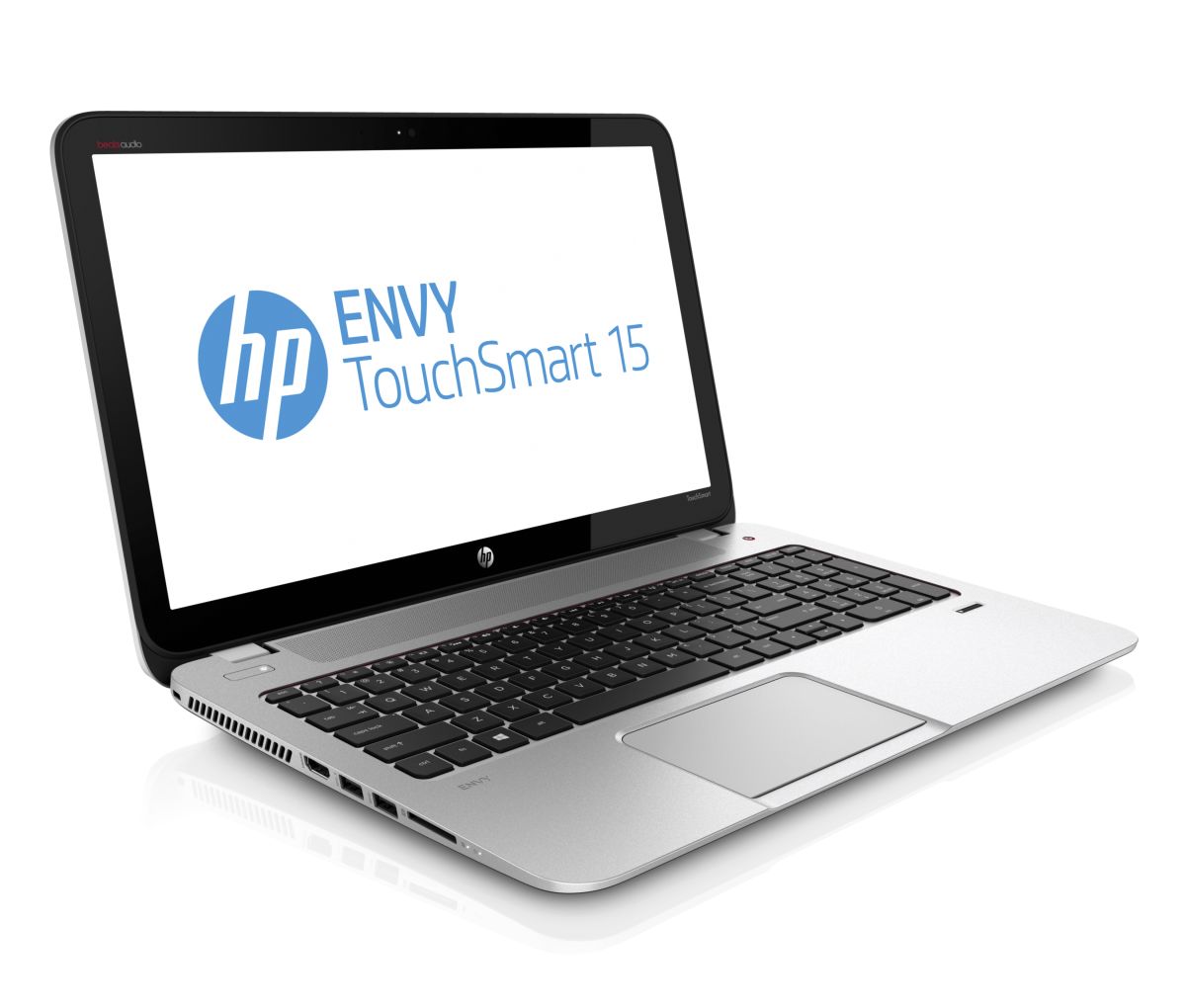
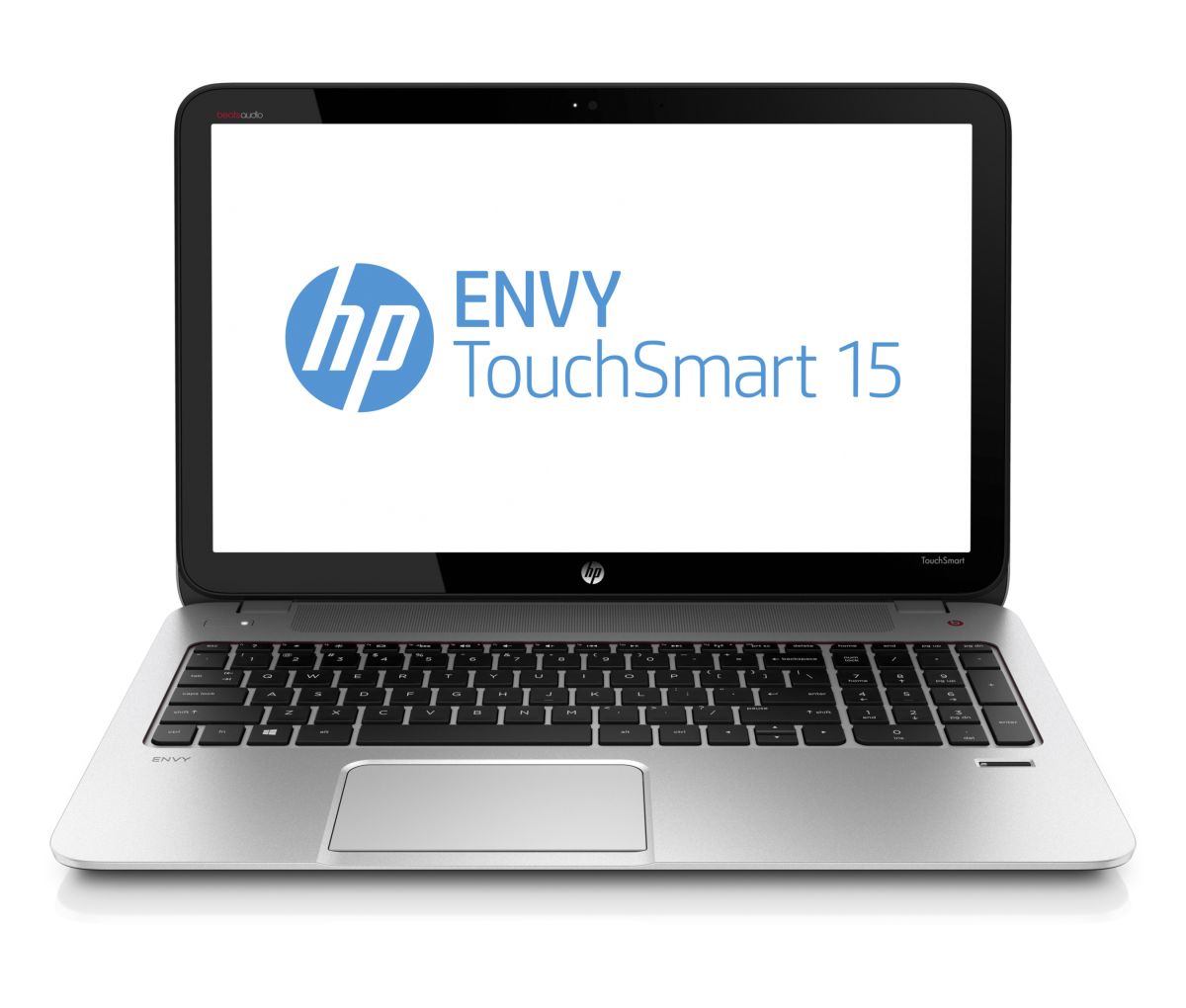
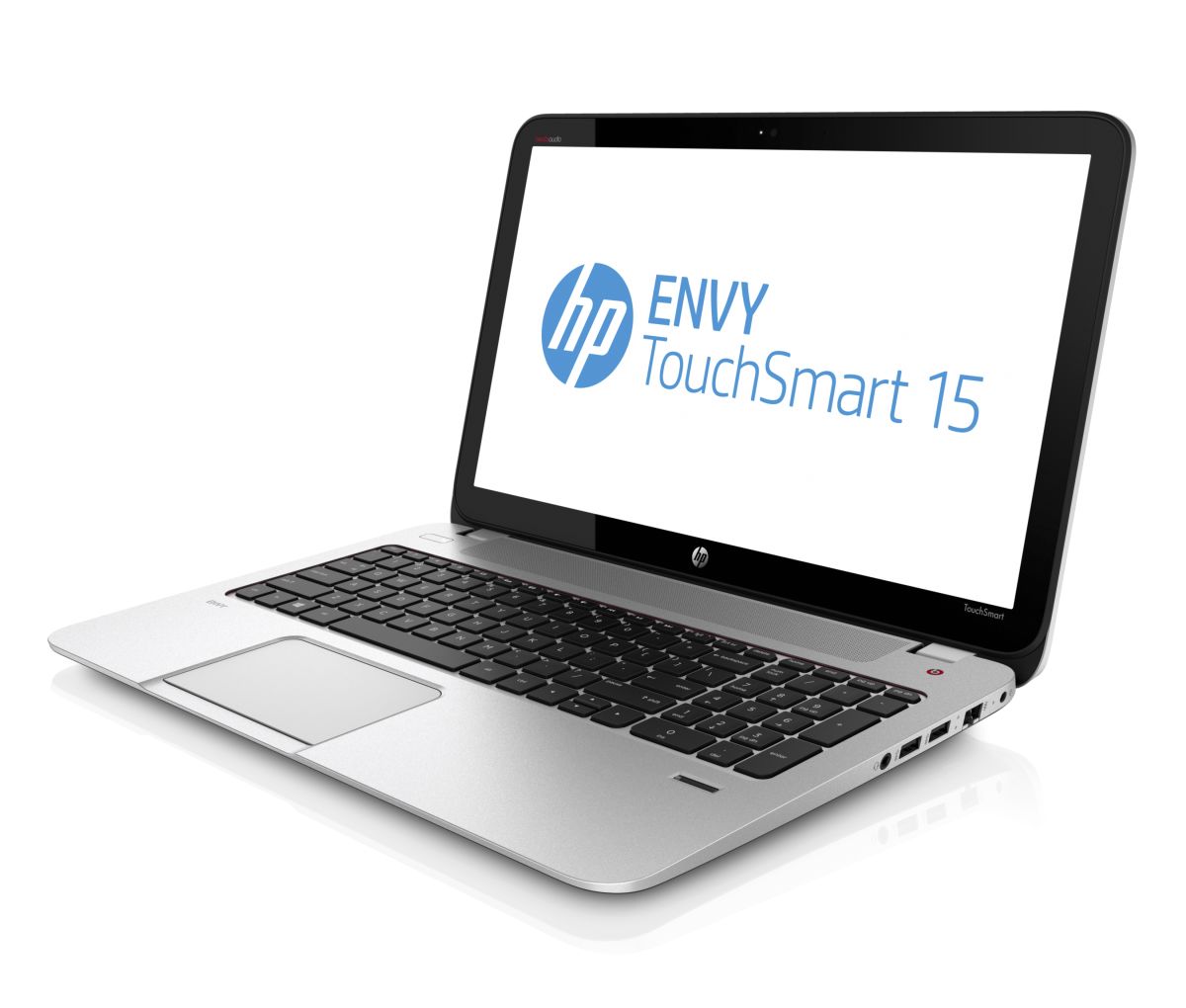
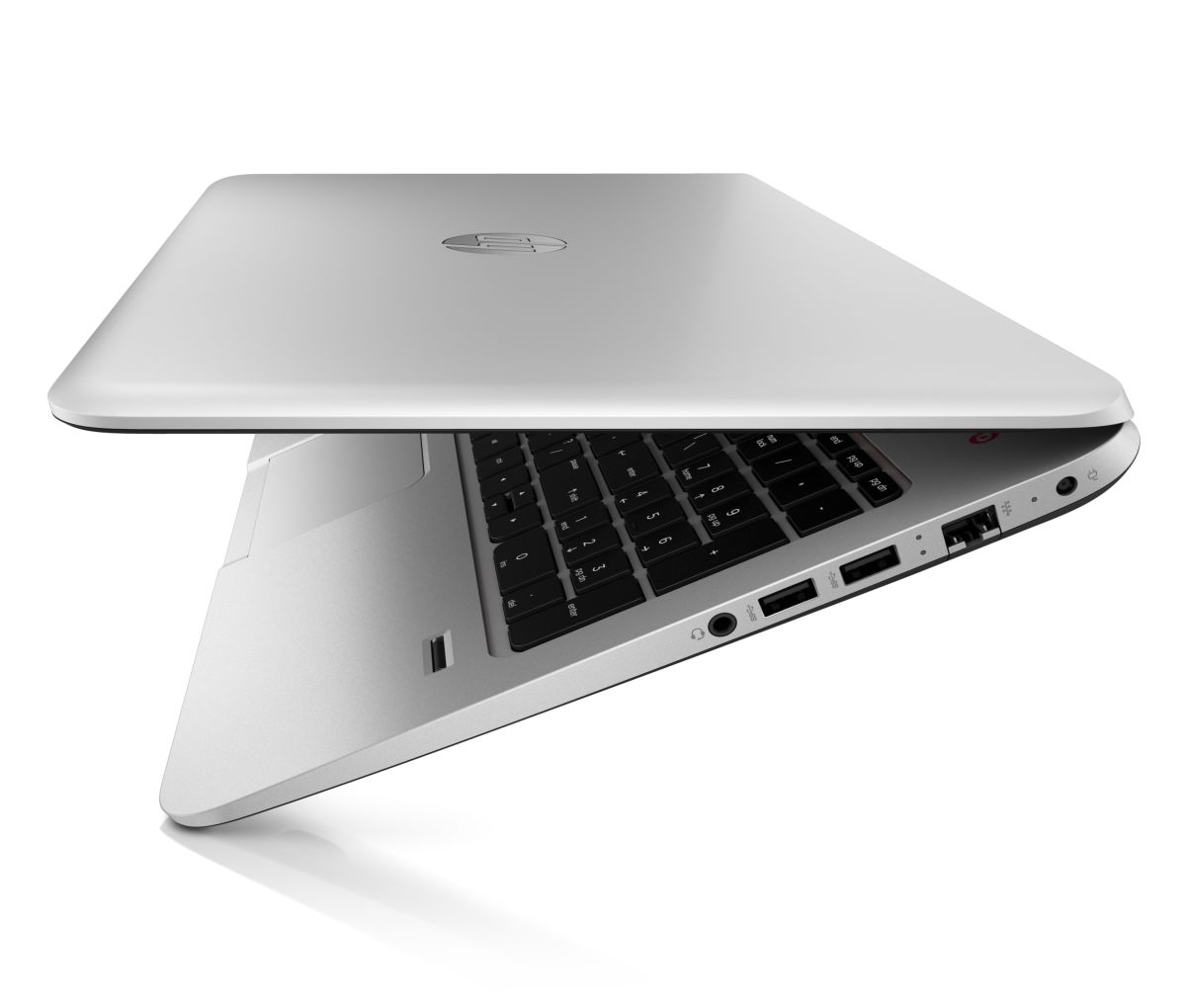
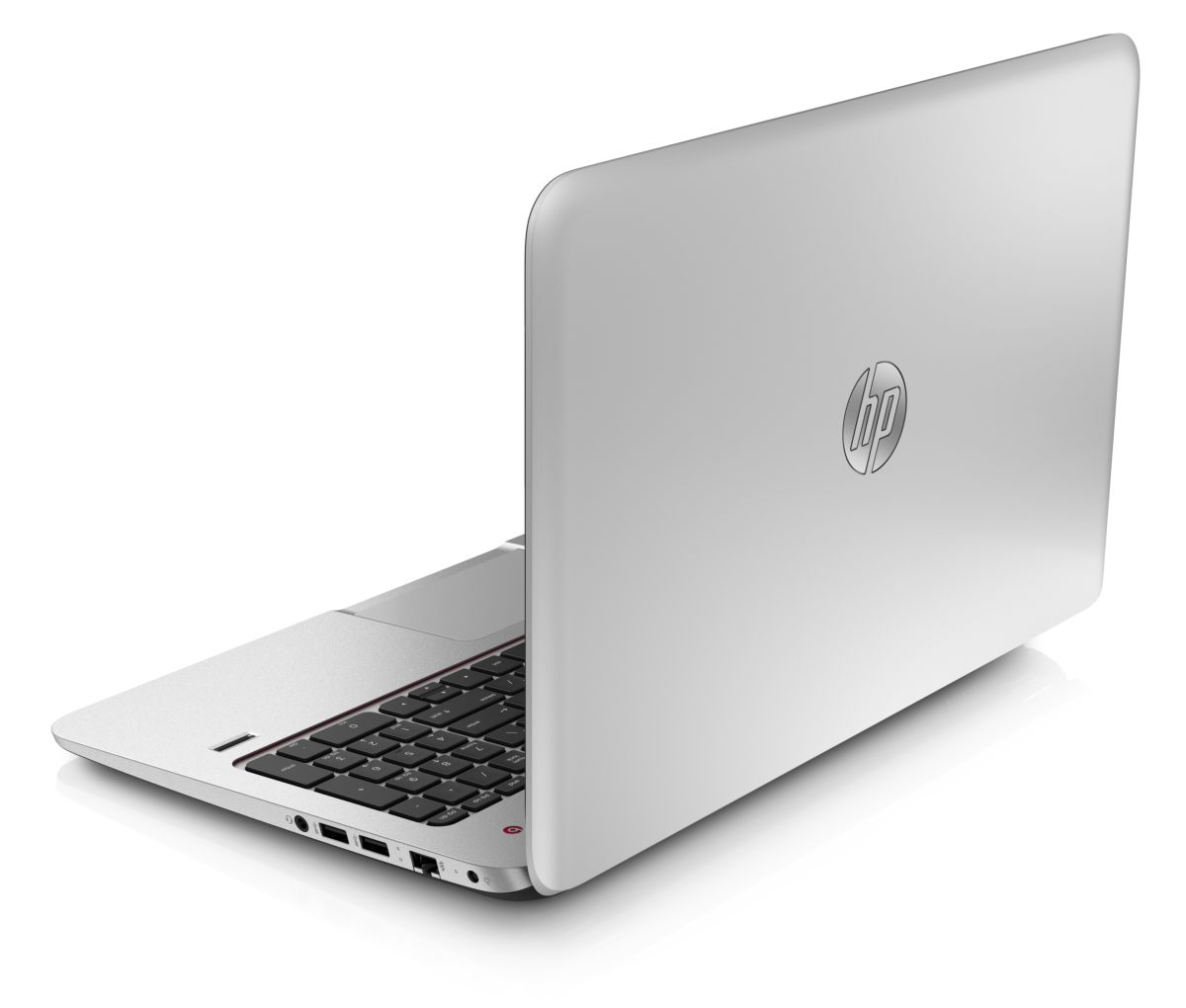
HP ENVY TouchSmart 15 series model 15-j180ez supports RAM upgrade configurations with DDR3L-SDRAM memory type. The laptop contains 2x SO-DIMM memory slots with maximum capacity of 16 GB. Compatible memory modules operate at 1600 MHz frequency using SO-DIMM form factor. Specifications indicate upgrade slots accommodate DDR3L-SDRAM modules for expanded RAM capacity up to the 16 GB maximum specifications.
Memory Upgrade Specifications
| Specification | Value |
|---|---|
| Memory slots | 2x SO-DIMM |
| Form factor | SO-DIMM |
| Memory type | DDR3L-SDRAM |
| Frequency | 1600 MHz |
| Maximum RAM | 16 GB |
| Voltage | 1.35V (Low Voltage) |
| Number of pins | 204-pin |
| Interface | PC3L |
| PC Speed Rating | PC3L-1600 (PC3L-12800) |
| Bandwidth | 12.8 GB/s |
| Laptop Release date | 01 February 2014 |
Additional Notes
- DDR3L operates at 1.35V instead of standard 1.5V DDR3, meaning regular DDR3 modules may cause compatibility issues or system instability despite physical compatibility.
- The HP ENVY TouchSmart 15-j180ez chipset limitation restricts individual module density to 8 GB per slot when targeting the 16 GB maximum configuration.
- PC3L-12800 specification derives from the 1600 MHz frequency, indicating 12.8 GB/s theoretical bandwidth per channel in dual-channel mode.
- Fourth generation Intel mobile processors in this chassis require low-voltage memory for proper thermal envelope management and battery life optimization.
- SO-DIMM form factor measures 67.6mm in length compared to standard DIMM, making desktop memory modules physically incompatible regardless of electrical specifications.
- Dual-channel configuration requires matched pair installation, with asymmetric capacities forcing the system into single-channel mode and halving effective bandwidth.
- Accessing memory slots requires complete bottom panel removal and potential thermal paste reapplication if heatsink detachment occurs during the process.
- Non-ECC unbuffered modules represent the only supported configuration, as registered or error-correcting memory will prevent POST completion.
- CAS latency variations between CL9, CL10, and CL11 modules at 1600 MHz affect access timing, though the system typically auto-adjusts to the slower module's specifications.
- Mixing module brands or manufacturing batches increases instability risk due to SPD timing table differences, even when nominal specifications match.