HP ENVY 15-as103ng RAM upgrade specifications

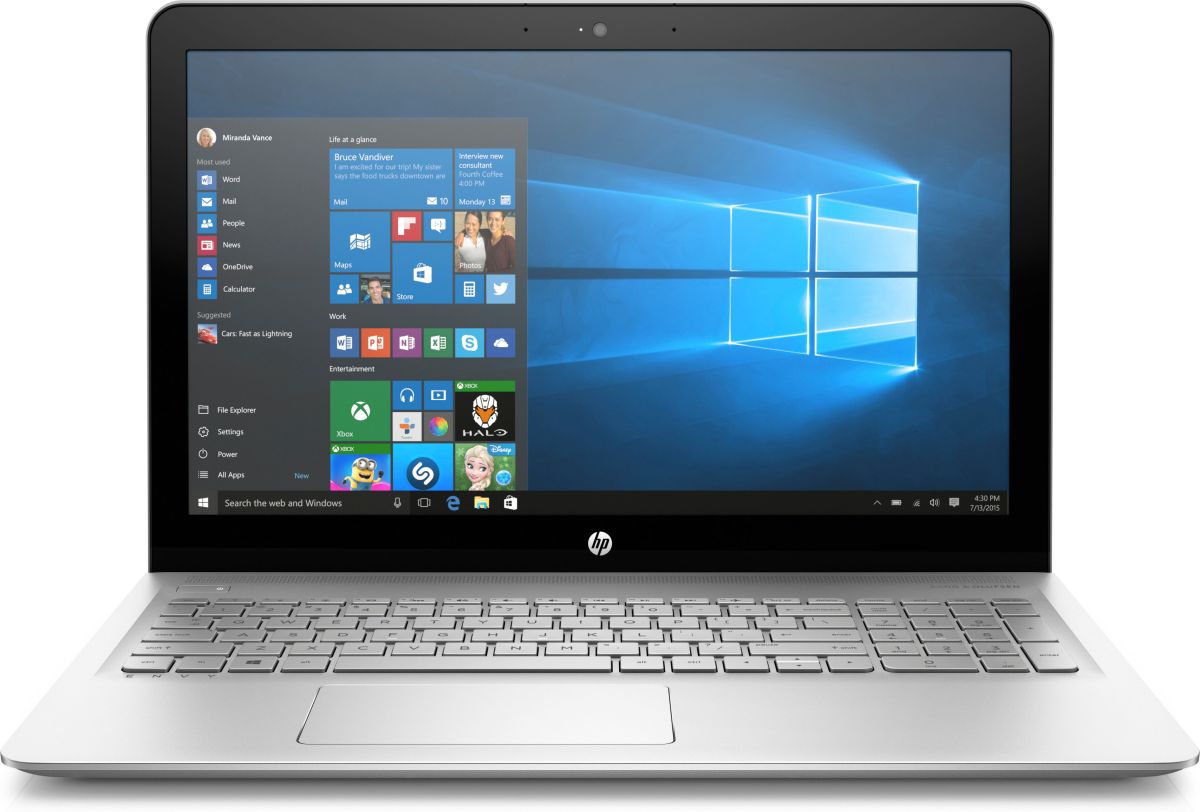

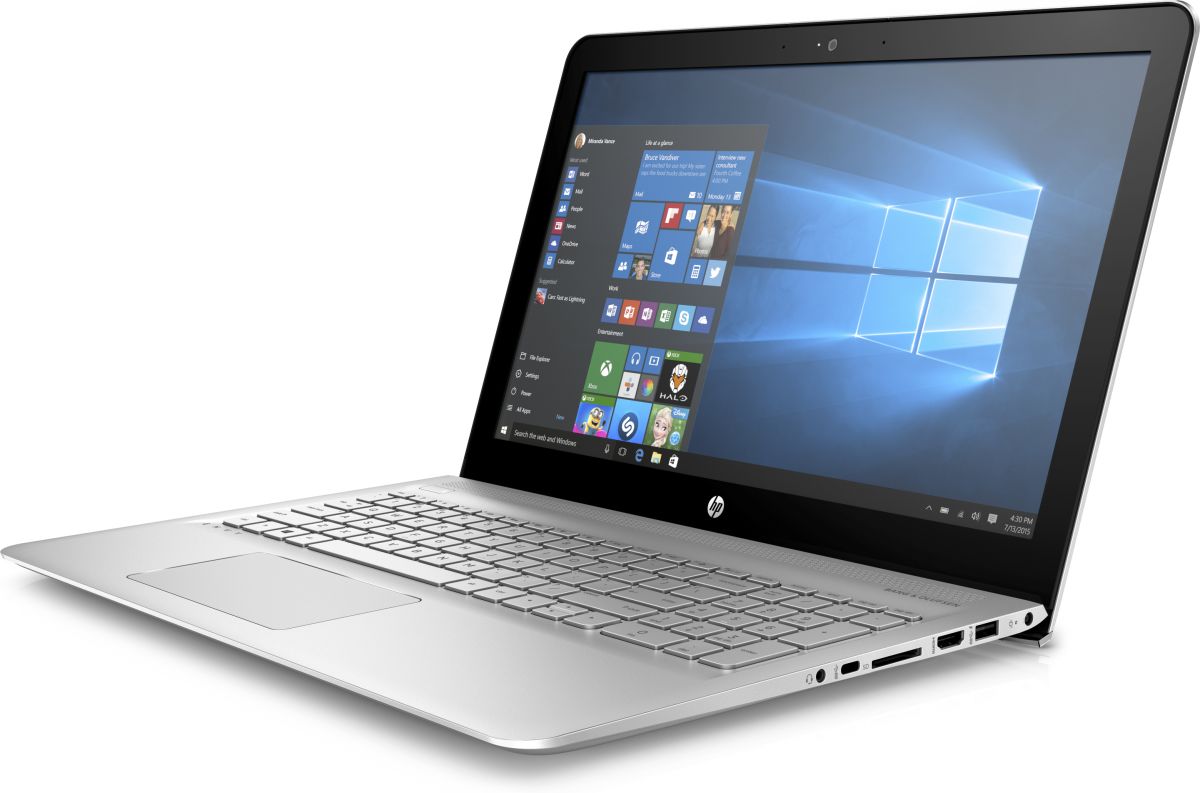

HP ENVY 15 series model 15-as103ng accommodates DDR4-SDRAM memory upgrades through two SO-DIMM slots. Maximum supported RAM capacity reaches 16 GB total. Compatible memory modules operate at 2133 MHz frequency and utilize SO-DIMM form factor. Upgrade specifications allow installation of DDR4 memory to enhance system performance. The laptop's memory configuration supports expansion from factory-installed capacity up to the 16 GB maximum threshold. DDR4-SDRAM compatibility ensures proper functionality with HP ENVY 15-as103ng specifications.
Memory Upgrade Specifications
| Specification | Value |
|---|---|
| Memory slots | 2x SO-DIMM |
| Form factor | SO-DIMM |
| Memory type | DDR4-SDRAM |
| Frequency | 2133 MHz |
| Maximum RAM | 16 GB |
| Voltage | 1.2V |
| Number of pins | 260-pin |
| Interface | PC4 |
| PC Speed Rating | PC4-2133 (PC4-17064) |
| Bandwidth | 17.1 GB/s |
| Laptop Release date | 23 September 2016 |
Additional Notes
- The HP ENVY 15-as103ng supports only DDR4-2133 MHz memory, which is below contemporary DDR4 standards (2400 MHz and higher). Mixing faster memory modules with the native 2133 MHz specification will result in automatic downclocking to 2133 MHz, eliminating performance gains from premium memory purchases.
- Dual SO-DIMM configuration with a 16 GB ceiling means maximum single-module capacity is 8 GB per slot. Upgrading beyond 8 GB per module requires replacing both existing modules rather than adding a single stick, doubling parts costs for capacity expansion.
- SO-DIMM memory modules occupy compact physical form factors designed for ultraportable systems. Installation in this chassis typically requires removing the bottom panel and accessing memory banks in a confined space, potentially complicating tool clearance and thermal management around adjacent components.
- DDR4-2133 memory remains widely manufactured at competitive pricing, ensuring availability for warranty-compliant upgrades. However, DDR4-2400 and faster variants may introduce compatibility risks if the memory controller rejects non-native frequencies during POST (power-on self-test), resulting in system failure to boot.
- The 16 GB maximum RAM ceiling creates a performance constraint for memory-intensive applications such as video editing, 3D rendering, or virtual machine hosting. Users operating near this limit will encounter bottlenecks that storage-based virtual memory or processor cache cannot overcome.