HP OMEN 15-dc1350ng RAM upgrade specifications



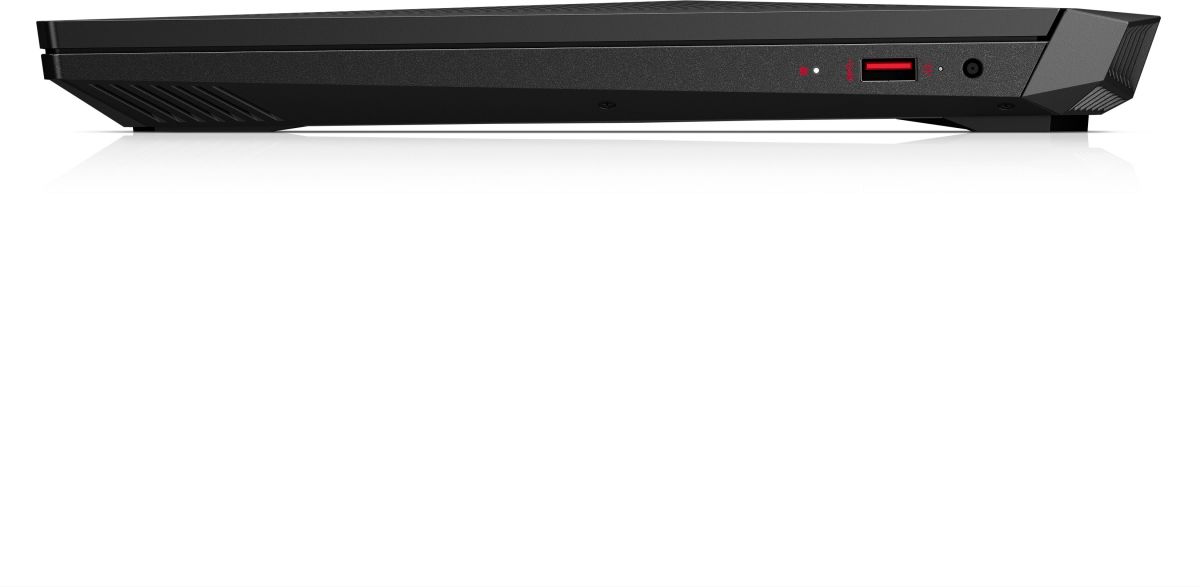
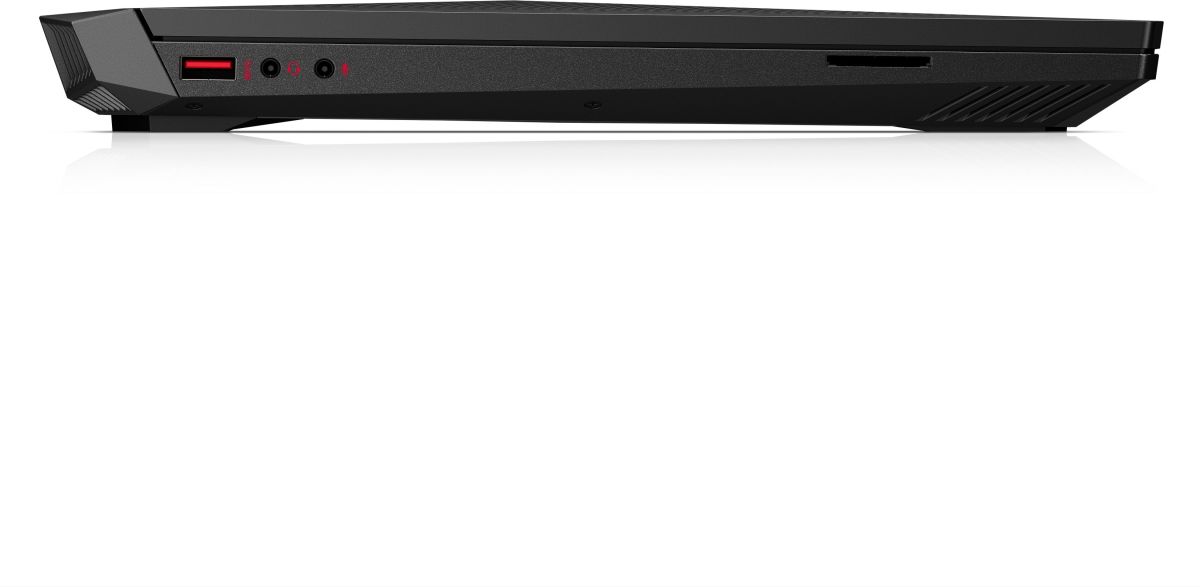
The HP OMEN 15-dc1350ng supports DDR4-SDRAM memory upgrades with a maximum capacity of 32 GB. The laptop features 2x SO-DIMM slots for memory expansion. Compatible RAM operates at 2666 MHz frequency and uses the SO-DIMM form factor. Specifications indicate the device can accommodate memory upgrades up to the 32 GB maximum threshold through the available slots.
Memory Upgrade Specifications
| Specification | Value |
|---|---|
| Memory slots | 2x SO-DIMM |
| Form factor | SO-DIMM |
| Memory type | DDR4-SDRAM |
| Frequency | 2666 MHz |
| Maximum RAM | 32 GB |
| Voltage | 1.2V |
| Number of pins | 260-pin |
| Interface | PC4 |
| PC Speed Rating | PC4-2666 (PC4-21328) |
| Bandwidth | 21.3 GB/s |
| Laptop Release date | 20 March 2019 |
Additional Notes
- The HP OMEN 15-dc1350ng supports dual-channel memory architecture through its 2 SO-DIMM slots, enabling doubled bandwidth when matched modules are installed.
- DDR4-2666 represents the fastest officially supported speed, meaning modules rated at 3000 MHz or 3200 MHz will automatically downclock to 2666 MHz.
- The 32 GB maximum capacity requires 2 identical 16 GB modules, as single 32 GB SO-DIMMs exceed the per-slot limitation imposed by the chipset.
- SO-DIMM form factor physically measures 67.6 mm in length compared to 133.35 mm desktop DIMM modules, preventing installation of standard desktop memory.
- Operating voltage for DDR4-2666 remains fixed at 1.2V, which differs from DDR3L's 1.35V requirement and creates electrical incompatibility with previous generation modules.
- Memory access follows a dual-channel interleaving pattern where the controller alternates between slots, creating performance degradation when only one slot is populated.
- Theoretical peak bandwidth reaches 42.6 GB/s when both channels operate simultaneously with 2666 MHz modules, compared to 21.3 GB/s in single-channel configuration.
- CAS latency compatibility requires matching between modules, as mixed CL ratings force both sticks to operate at the slower timing value.
- Non-ECC unbuffered modules represent the only compatible type, as registered or ECC variants require server-grade memory controllers absent in consumer platforms.
- Memory training occurs during POST where the controller automatically detects SPD values, configuring timings without manual BIOS intervention on this platform.
- Thermal constraints within the chassis limit extended operation above JEDEC specifications, making XMP profiles unsupported even when the SPD contains overclocking data.
- Rank configuration affects capacity per module, where dual-rank 16 GB sticks provide slightly higher bandwidth than single-rank equivalents through increased bank interleaving.