HP OMEN 15-ek0057TX RAM upgrade specifications
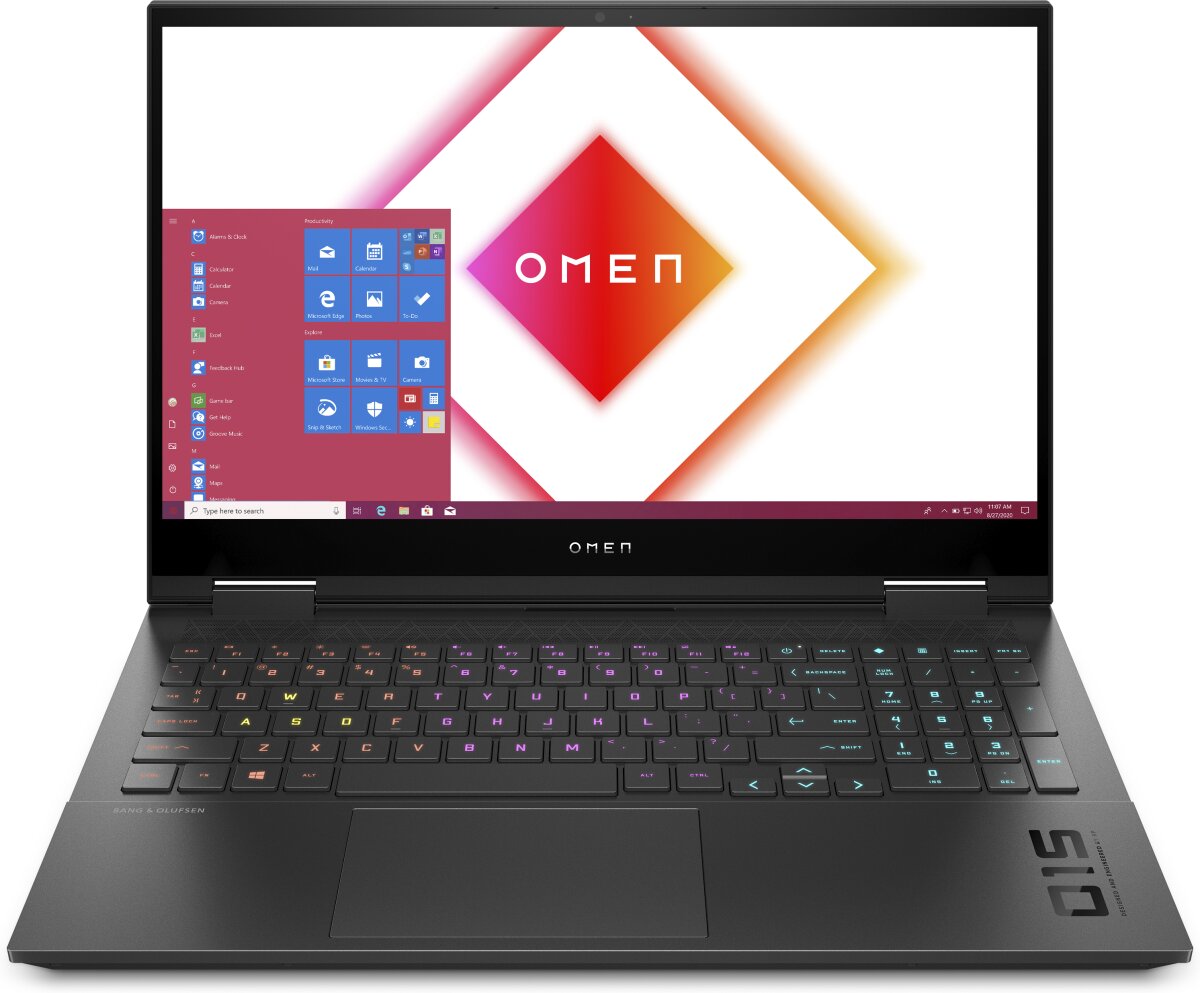
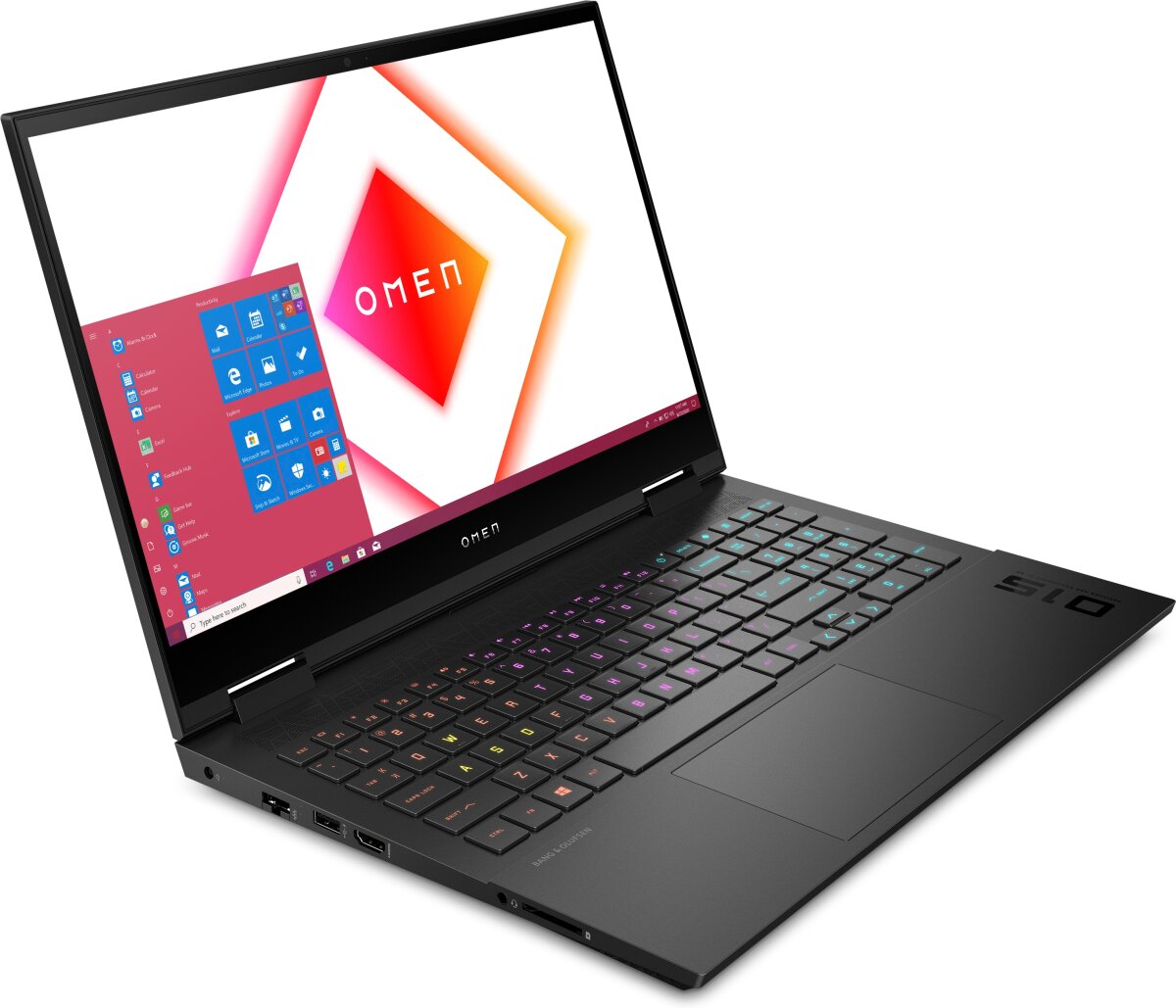
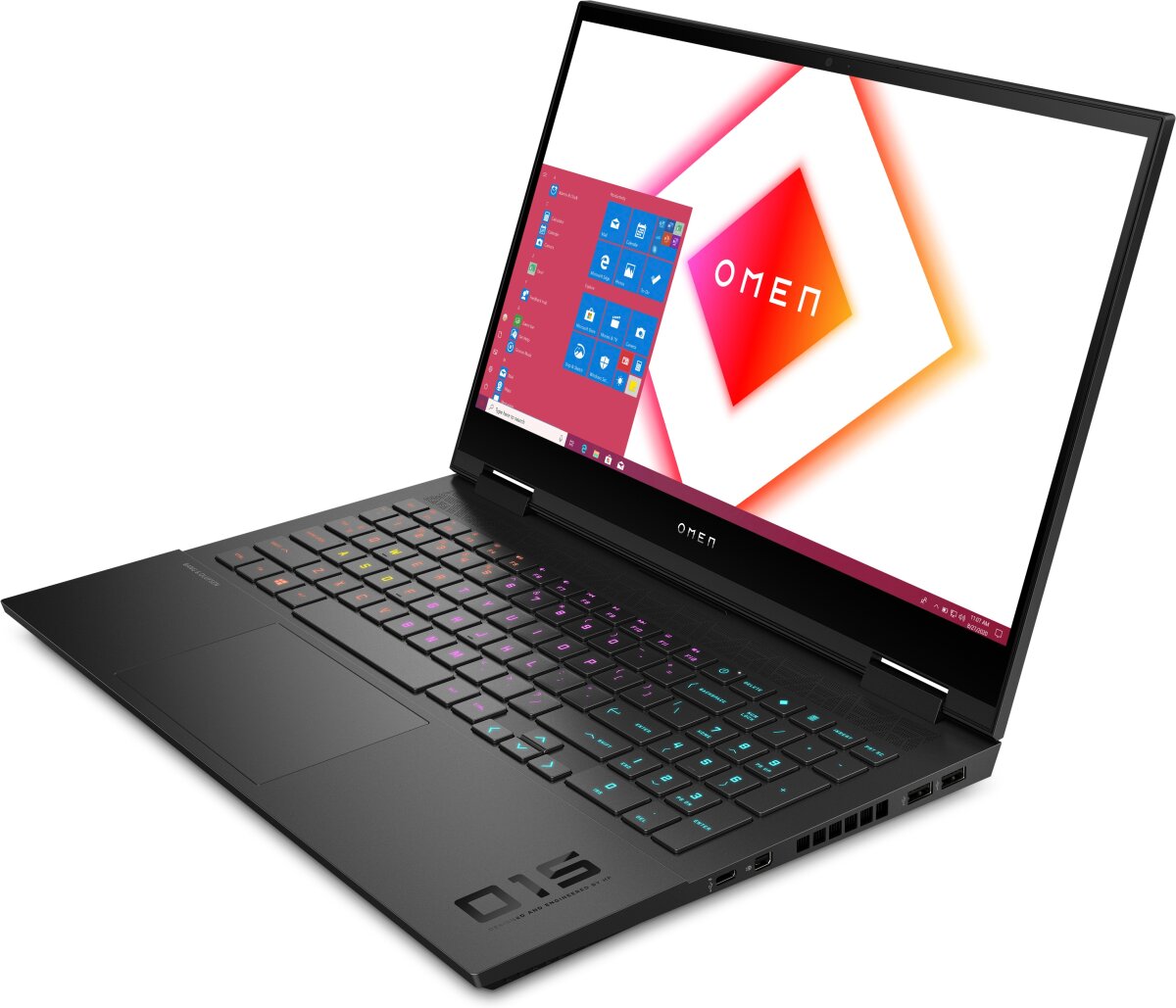

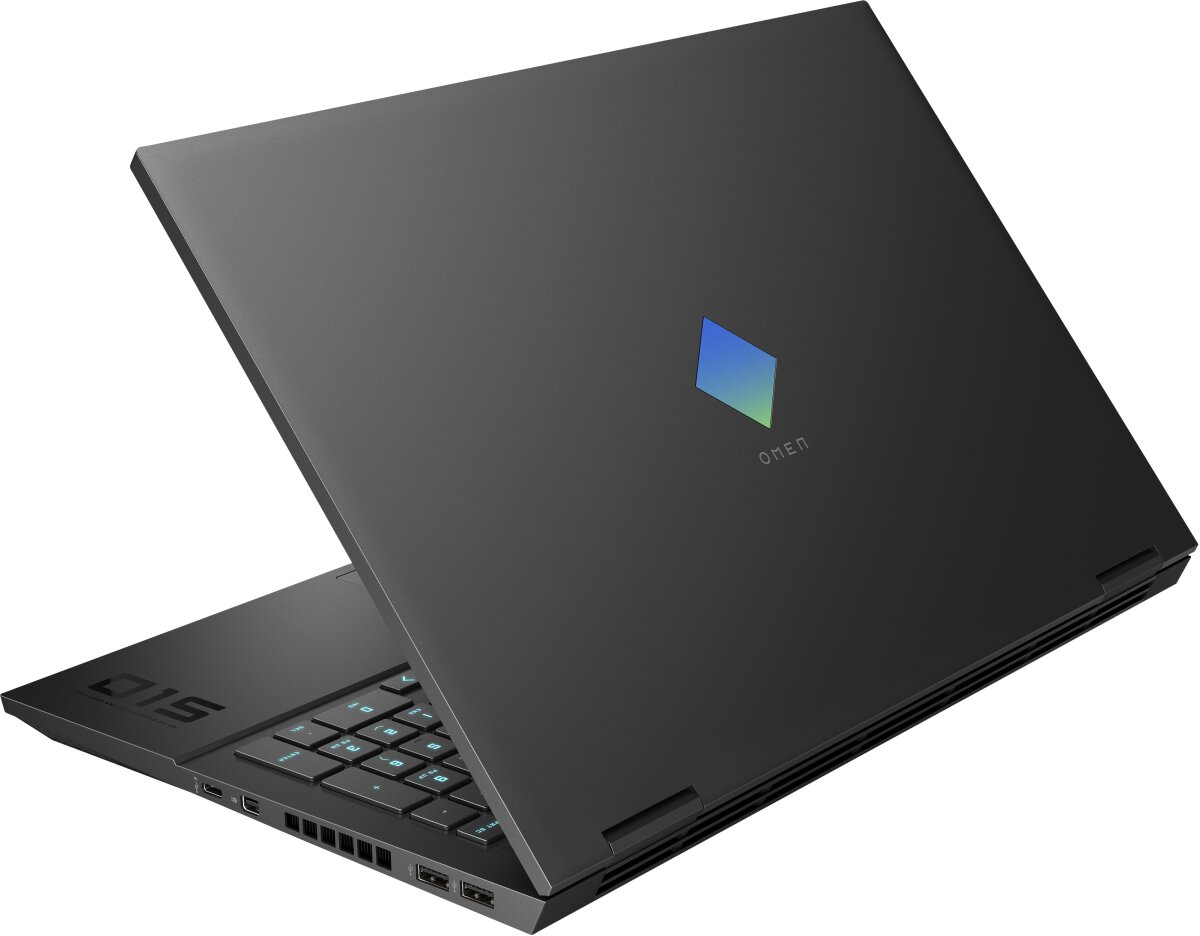
HP OMEN 15-ek0057TX laptop features DDR4-SDRAM memory upgrade capabilities with two SO-DIMM slots supporting maximum capacity of 32 GB RAM. Memory specifications include DDR4 technology operating at 2933 MHz frequency. Compatible upgrades utilize SO-DIMM form factor modules. Existing memory can be expanded up to maximum supported capacity through slot-based upgrade configuration. Specifications indicate standard DDR4 compatibility for RAM expansion on this gaming-focused laptop model.
Memory Upgrade Specifications
| Specification | Value |
|---|---|
| Memory slots | 2x SO-DIMM |
| Form factor | SO-DIMM |
| Memory type | DDR4-SDRAM |
| Frequency | 2933 MHz |
| Maximum RAM | 32 GB |
| Voltage | 1.2V |
| Number of pins | 260-pin |
| Interface | PC4 |
| PC Speed Rating | PC4-2933 (PC4-23464) |
| Bandwidth | 23.5 GB/s |
| Laptop Release date | 19 February 2021 |
Additional Notes
- The presence of 2 physical SO-DIMM slots confirms that the system maintains a dual-channel memory architecture, which reduces latency and doubles theoretical bandwidth when identical modules are installed.
- The HP OMEN 15-ek0057TX utilizes a capped frequency of 2933 MHz, meaning higher speed modules like 3200 MHz will automatically downclock to match the hardware controller limit.
- Maximum capacity reach requires the removal of both existing modules since no memory is soldered to the mainboard.
- Upgrading to the 32 GB limit ensures sufficient overhead for memory-intensive background tasks and modern gaming assets that exceed the standard 16 GB threshold.
- Thermal management remains a factor during installation as the memory modules sit in close proximity to the central processing unit and heat pipes within this specific chassis design.
- Physical access to the memory slots requires the removal of the bottom base enclosure, which involves standard Phillips screws and internal plastic clips.
- Utilizing mismatched module capacities will force the system into asynchronous dual-channel mode, potentially bottlenecking the integrated graphics performance.