HP Pavilion 15-cs3846nd RAM upgrade specifications


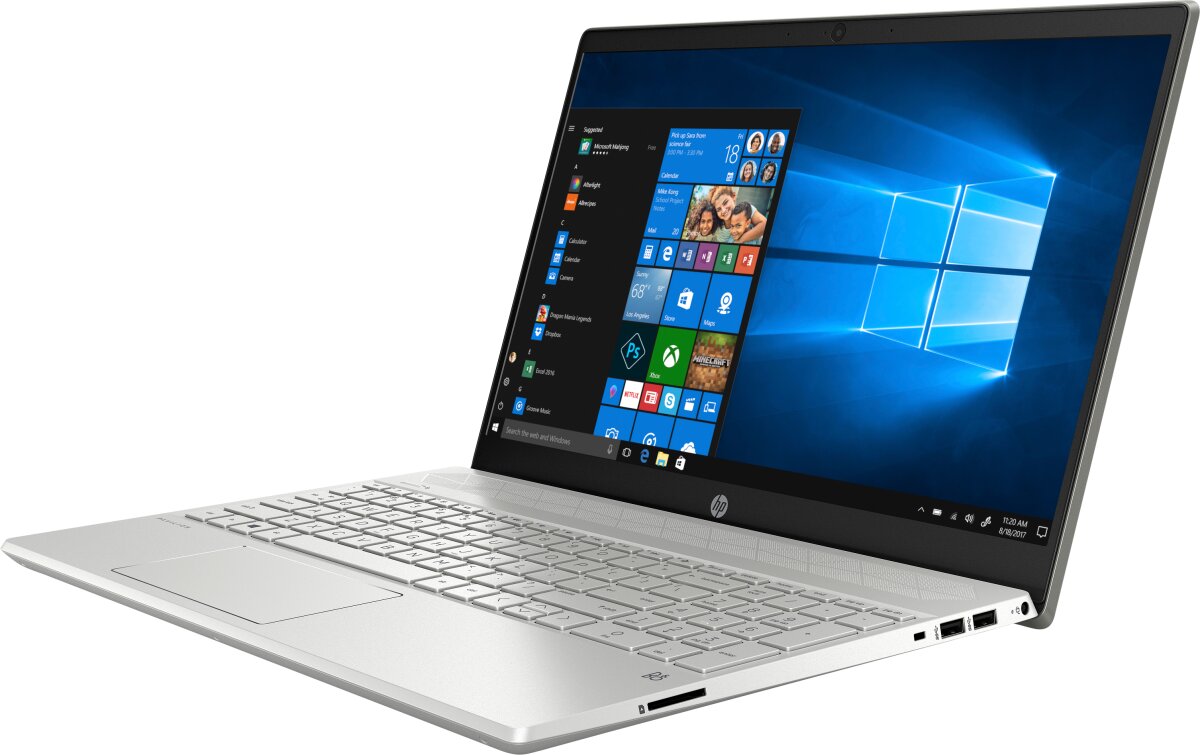
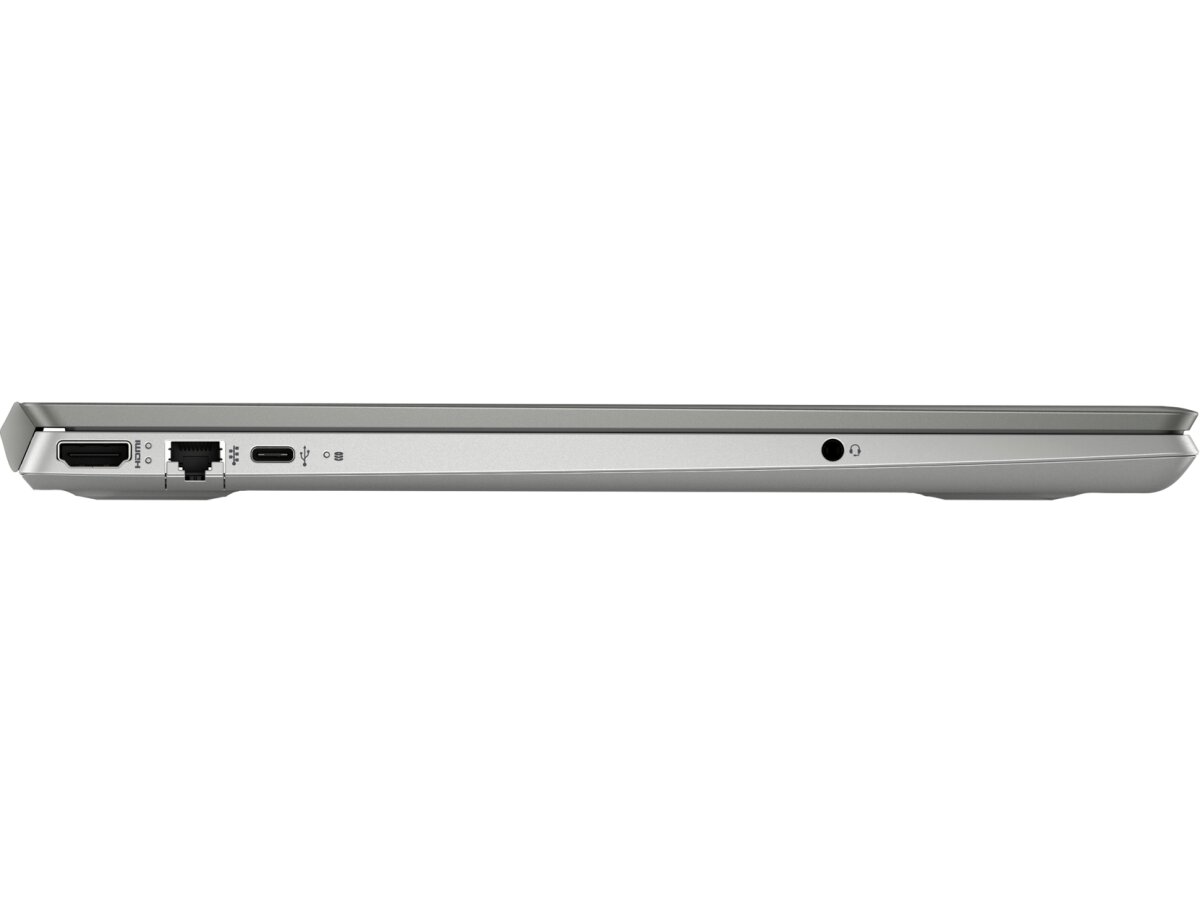
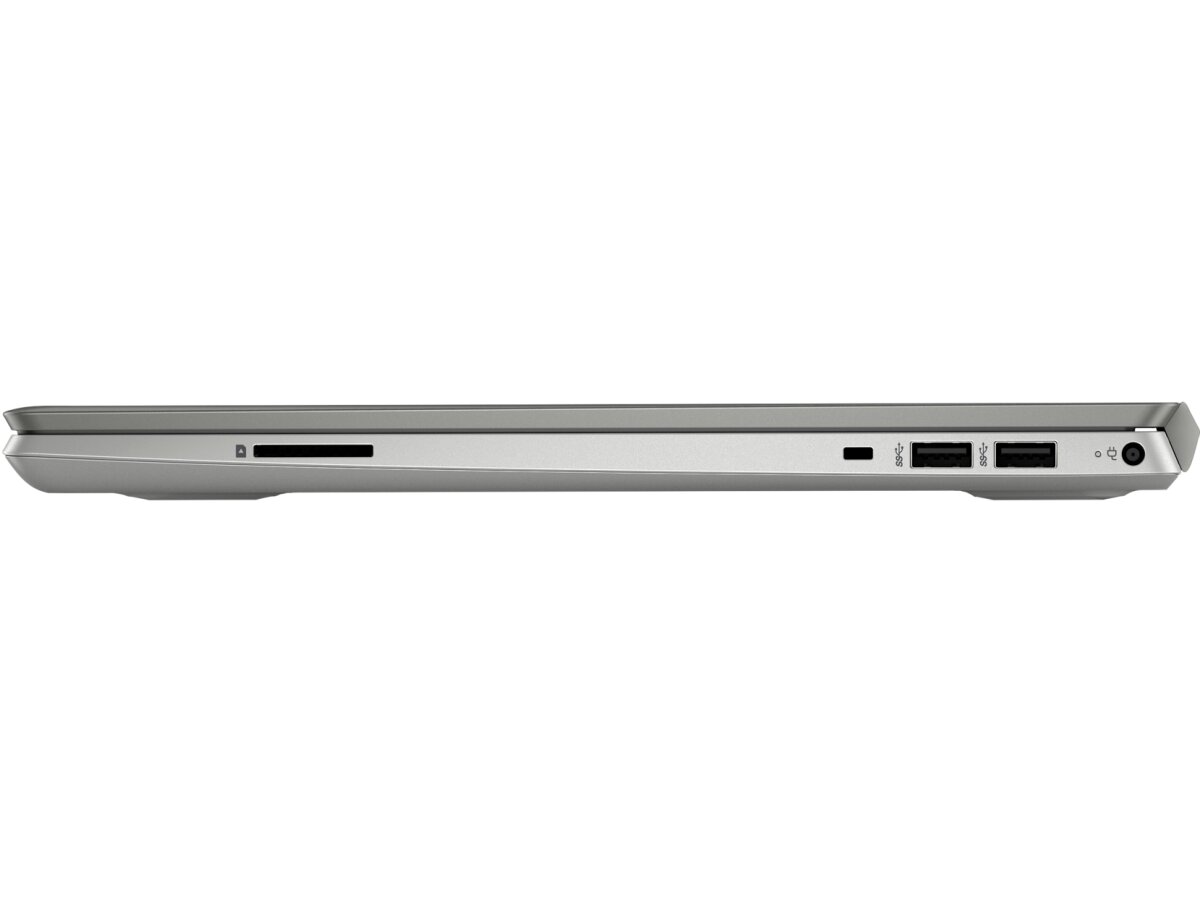
The HP Pavilion 15-cs3846nd laptop features two SO-DIMM memory slots supporting DDR4-SDRAM modules operating at 2666 MHz frequency. The upgrade specifications allow for a maximum RAM capacity of 16 GB total memory. Compatible memory modules must meet the DDR4-SDRAM standard and SO-DIMM form factor requirements. Current memory configuration can be expanded by installing additional DDR4-SDRAM modules into available slots, provided the combined capacity does not exceed the 16 GB maximum specification limit established for the HP Pavilion 15 series.
Memory Upgrade Specifications
| Specification | Value |
|---|---|
| Memory slots | 2x SO-DIMM |
| Form factor | SO-DIMM |
| Memory type | DDR4-SDRAM |
| Frequency | 2666 MHz |
| Maximum RAM | 16 GB |
| Voltage | 1.2V |
| Number of pins | 260-pin |
| Interface | PC4 |
| PC Speed Rating | PC4-2666 (PC4-21328) |
| Bandwidth | 21.3 GB/s |
| Laptop Release date | 28 May 2020 |
Additional Notes
- The 2666 MHz frequency specification indicates compatibility with JEDEC standard DDR4-2666 modules, while higher frequency modules will downclock to match this native speed.
- The 16 GB maximum capacity ceiling represents a chipset-level limitation rather than a BIOS restriction, preventing recognition of higher density modules regardless of physical installation.
- The HP Pavilion 15-cs3846nd utilizes a dual-channel SO-DIMM architecture where asymmetric population degrades memory bandwidth to single-channel operation.
- The 260-pin SO-DIMM standard requires modules rated at 1.2V nominal operating voltage to prevent compatibility failures with the memory controller.
- Population of both slots with 8 GB modules enables maximum throughput at 42.6 GB/s theoretical bandwidth through dual-channel interleaving.
- The SO-DIMM form factor enforces stricter thermal density constraints than desktop DIMMs, making non-standard heat spreaders a potential physical obstruction during installation.
- Single-slot configurations limit available bandwidth to approximately 21.3 GB/s regardless of capacity, creating performance asymmetry in memory-intensive workloads.
- The absence of ECC support in the memory controller specification means error-correcting modules will either operate in non-ECC mode or fail POST validation entirely.
- Memory upgrades performed through the bottom panel access point typically preserve manufacturer warranty status, unlike disassembly requiring keyboard deck removal.
- Mixed-vendor module configurations remain functionally viable when primary timing specifications match, though secondary subtiming mismatches may trigger conservative fallback profiles.