HP Probook 440 G11 RAM upgrade specifications
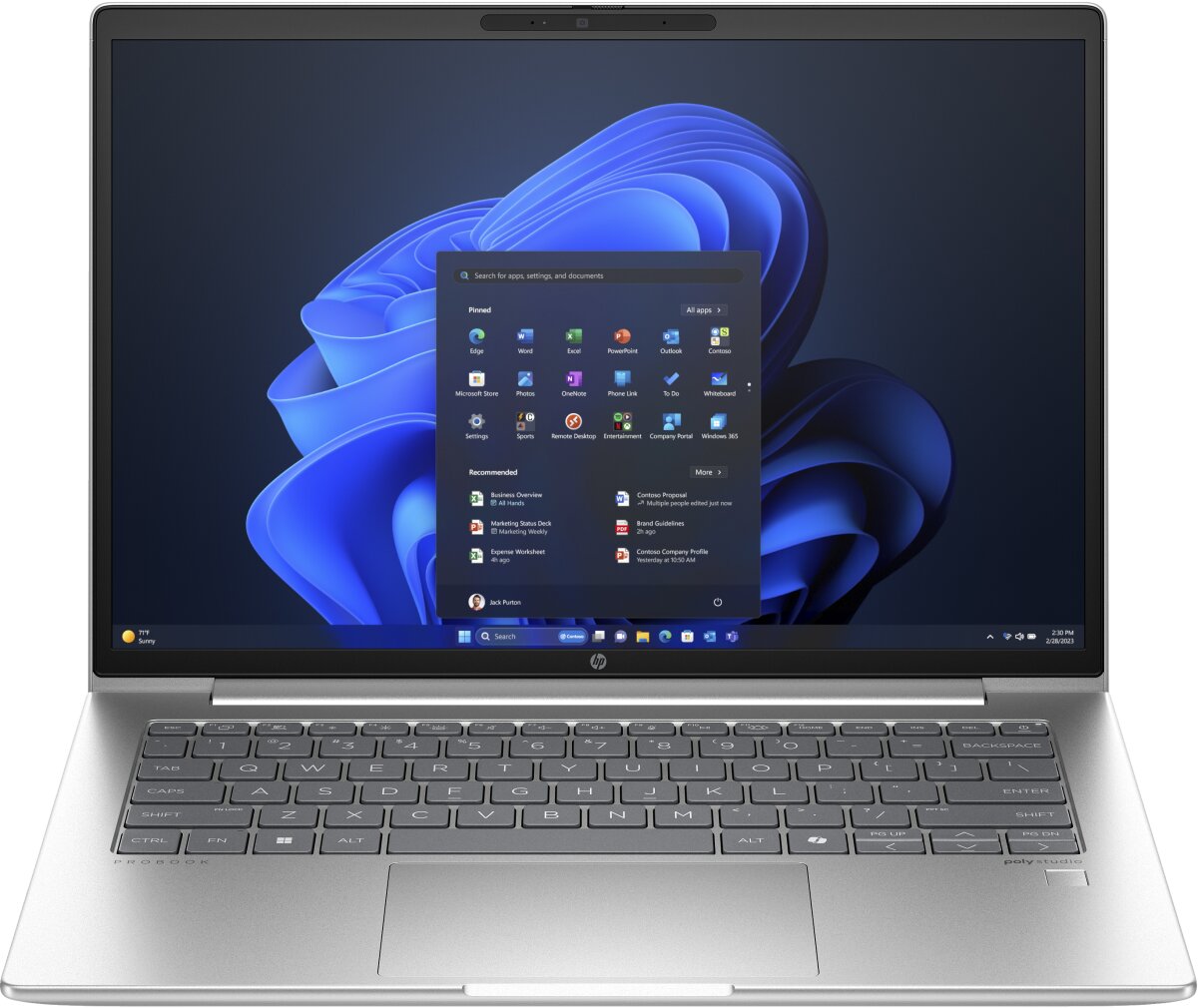
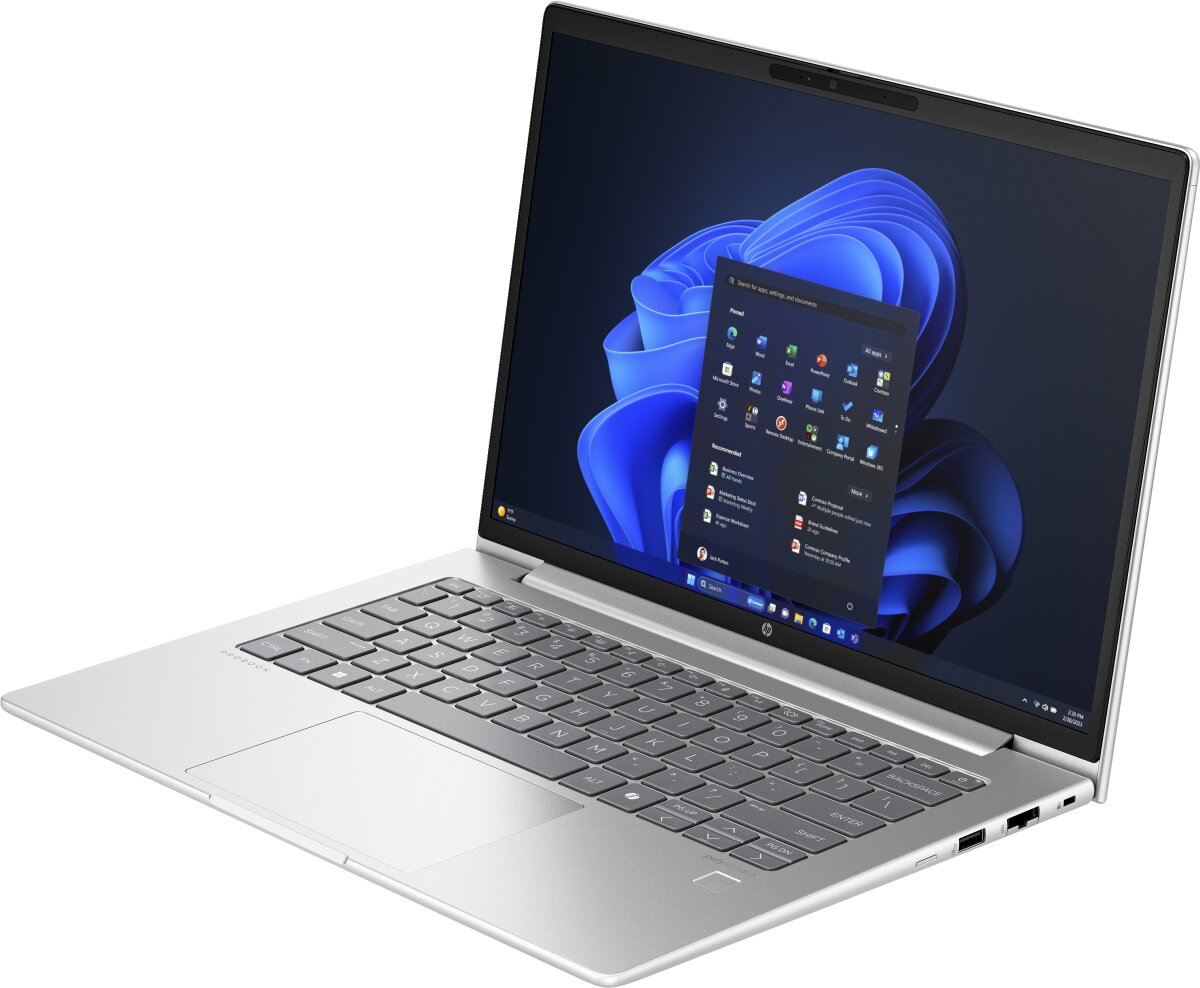
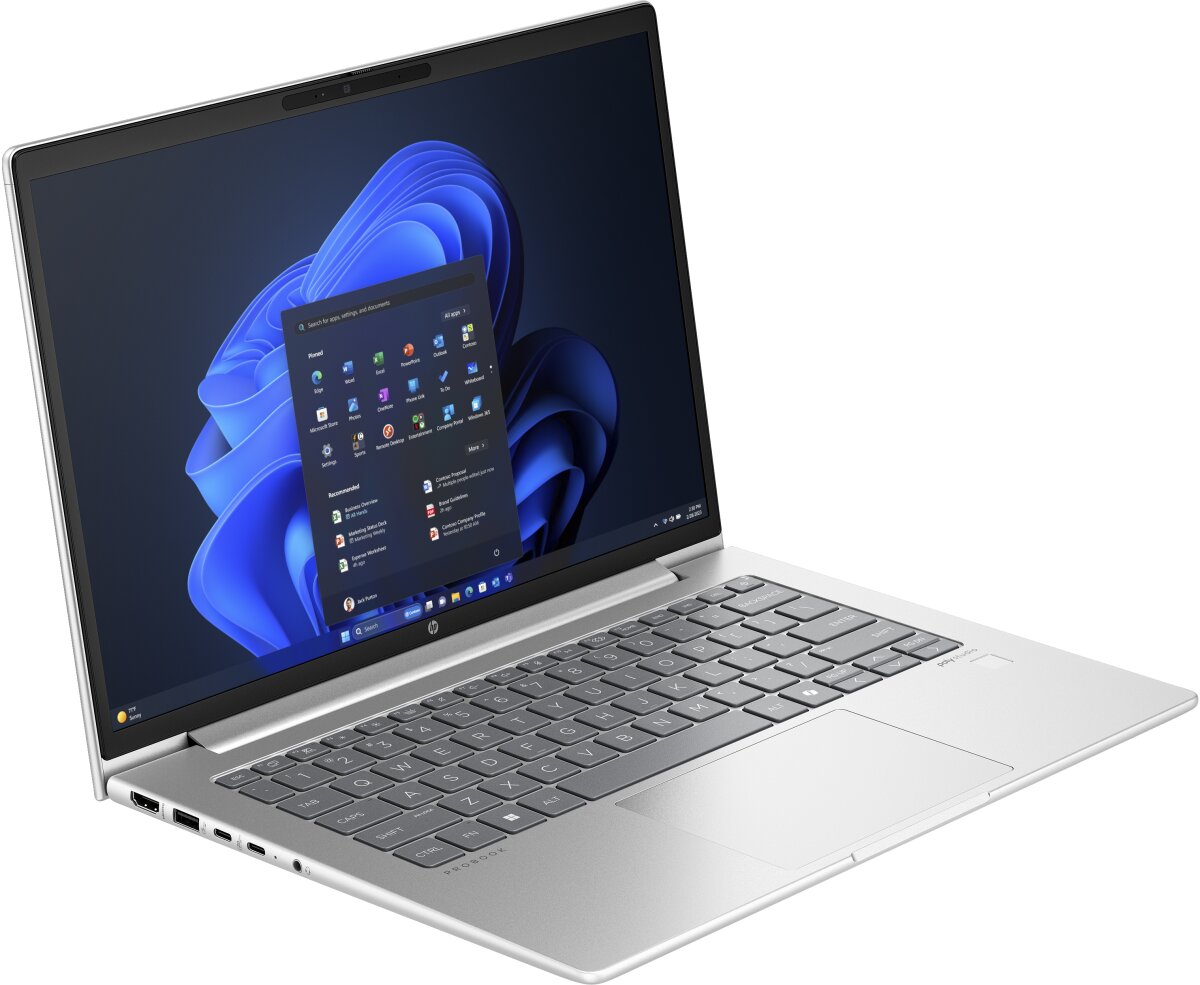

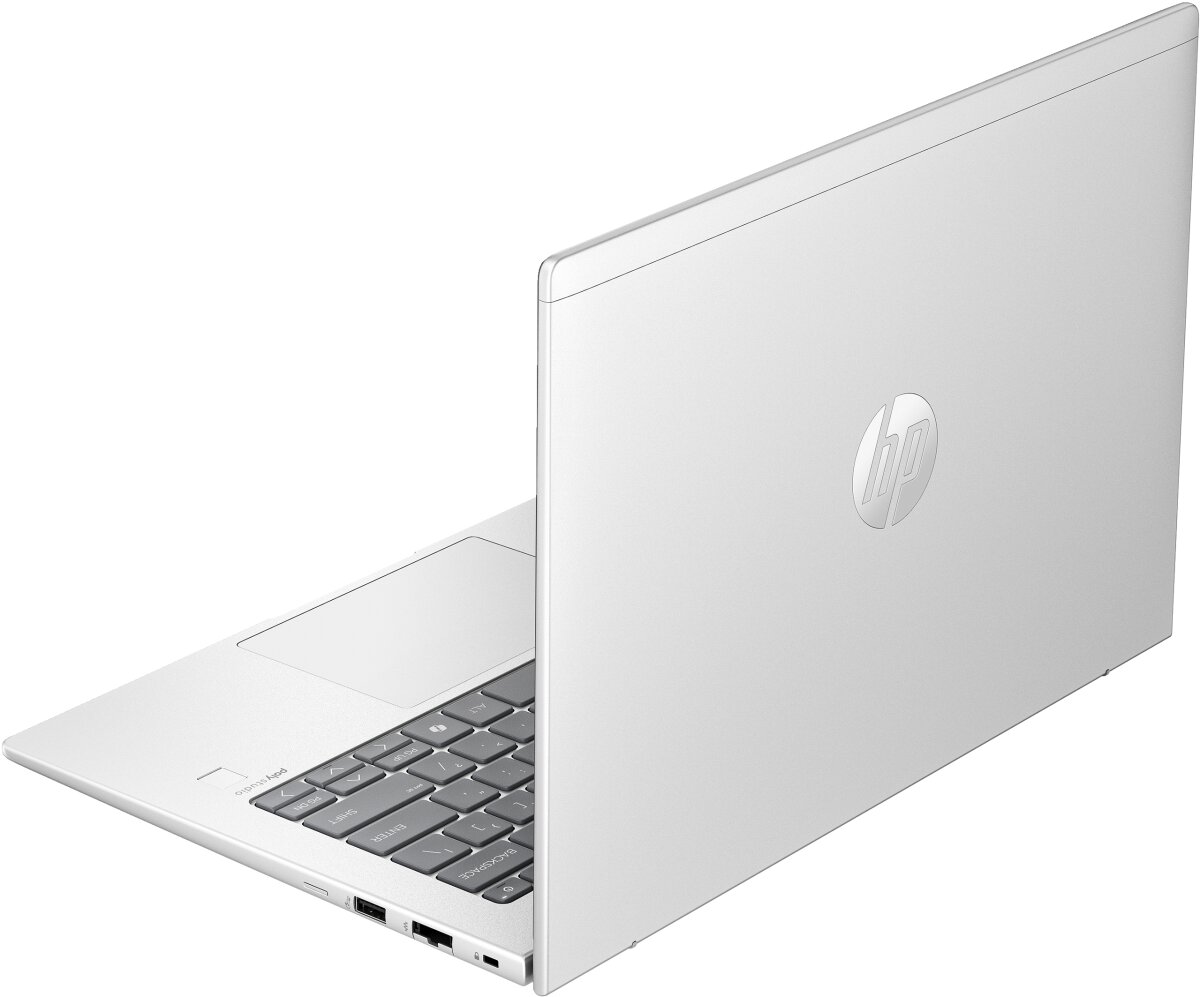
HP Probook 440 G11 laptop RAM upgrade specifications indicate DDR5-SDRAM memory compatibility with 2x SO-DIMM slots. Maximum RAM capacity reaches 32 GB total, operating at 5600 MHz frequency. Compatible memory modules utilize SO-DIMM form factor for this model. Upgrade options allow installation of additional DDR5-SDRAM modules within the specified slot configuration to enhance system memory capacity and performance capabilities.
Memory Upgrade Specifications
| Specification | Value |
|---|---|
| Memory slots | 2x SO-DIMM |
| Form factor | SO-DIMM |
| Memory type | DDR5-SDRAM |
| Frequency | 5600 MHz |
| Maximum RAM | 32 GB |
| Voltage | 1.1V |
| Number of pins | 262-pin |
| Interface | PC5 |
| PC Speed Rating | PC5-5600 (PC5-44800) |
| Bandwidth | 44.8 GB/s |
| Laptop Release date | 19 April 2024 |
Additional Notes
- Dual channel architecture requires matching memory modules to reach peak data transfer rates and avoid bandwidth throttling in memory intensive applications.
- The presence of 2 physical slots ensures that factory preinstalled configurations occupying only a single slot allow for capacity expansion without discarding existing hardware.
- The HP Probook 440 G11 internal architecture relies on SO DIMM modules which necessitate a specific vertical clearance during installation to avoid contact with the underside of the chassis.
- System stability depends on utilizing non ECC unbuffered modules as the memory controller lacks the error correction circuitry found in enterprise workstations.
- Mixing modules of different frequencies will result in the entire memory bus downclocking to the lowest common denominator to maintain synchronization.
- Total addressable memory remains limited by the motherboard firmware cap regardless of whether the physical density of newer modules exceeds the listed 32 GB threshold.
- Thermal dissipation from high density DDR5 modules is handled through passive airflow and requires the retention of original heat shields if present.
- BIOS recognition of hardware changes may require a cold boot cycle to recalibrate memory timings and ensure the 5600 MHz profile is applied correctly.