HP Probook 440 G4 RAM upgrade specifications
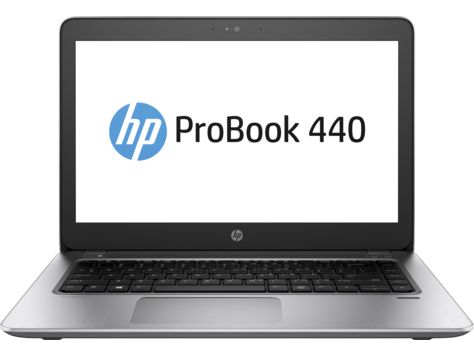
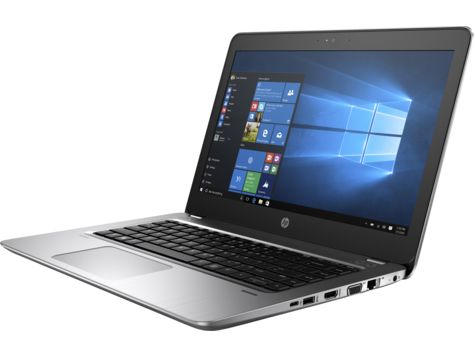
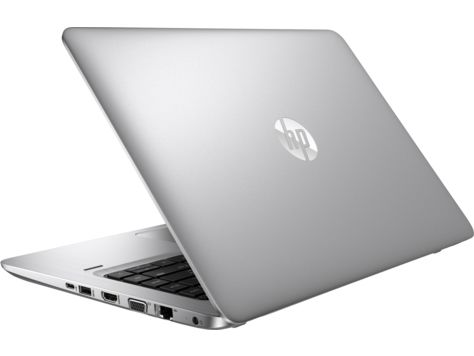
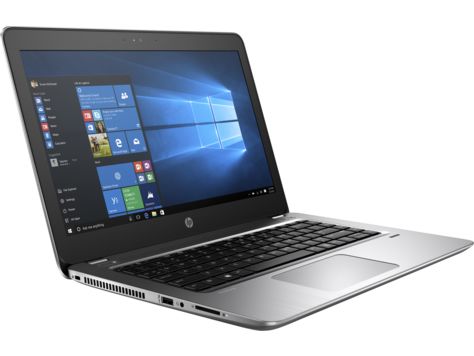
HP ProBook 440 G4 laptop memory upgrade specifications detail DDR4-SDRAM compatibility with maximum RAM capacity of 16 GB. The upgrade configuration includes 2x SO-DIMM slots supporting memory modules at 2133 MHz frequency. SO-DIMM form factor memory modules are compatible with this ProBook 440 G4 model. Specifications indicate maximum memory upgrade capacity reaches 16 GB total across available slots. RAM upgrade options for HP ProBook 440 G4 series require DDR4-SDRAM specification compliance and SO-DIMM form factor compatibility.
Memory Upgrade Specifications
| Specification | Value |
|---|---|
| Memory slots | 2x SO-DIMM |
| Form factor | SO-DIMM |
| Memory type | DDR4-SDRAM |
| Frequency | 2133 MHz |
| Maximum RAM | 16 GB |
| Voltage | 1.2V |
| Number of pins | 260-pin |
| Interface | PC4 |
| PC Speed Rating | PC4-2133 (PC4-17064) |
| Bandwidth | 17.1 GB/s |
| Laptop Release date | 12 September 2016 |
Additional Notes
- The HP ProBook 440 G4 chipset architecture enforces a per-module capacity ceiling of 8 GB, preventing the use of newer 16 GB or 32 GB density modules despite physical compatibility.
- Operating at 2133 MHz limits this platform to DDR4-2133 (PC4-17000) specification, resulting in 17.06 GB/s theoretical maximum bandwidth per channel in dual-channel configuration.
- Installing a single module forces single-channel operation, which halves memory bandwidth and creates measurable performance degradation in graphics-intensive applications relying on integrated GPU shared memory.
- SO-DIMM modules exceeding 1.2V nominal voltage may trigger compatibility issues or thermal throttling, as DDR4-2133 standards require low-voltage operation within laptop thermal envelopes.
- Modules rated above 2133 MHz will automatically downclock to match the platform's maximum supported frequency, negating any speed advantage from premium memory kits.
- The dual-slot configuration requires matched module pairs to guarantee stable dual-channel interleaving, as mixing different densities or timings can force the memory controller into asymmetric or single-channel modes.
- Non-ECC unbuffered modules remain the only compatible topology, as this mobile platform lacks server-grade memory controller features for error correction or registered architectures.
- Upgrading beyond factory-installed capacity typically preserves warranty coverage under HP service policies, provided modules adhere to JEDEC DDR4 specifications without voltage modifications.
- The physical 260-pin SO-DIMM connector standard prevents accidental installation of incompatible desktop DIMM modules, though users must verify DDR4 generation to avoid DDR3L insertion attempts.
- Seventh-generation Intel Core mobile processors paired with this memory configuration create a balanced bottleneck where CPU performance scales proportionally with dual-channel bandwidth availability.