HP Probook 440 G3 RAM upgrade specifications
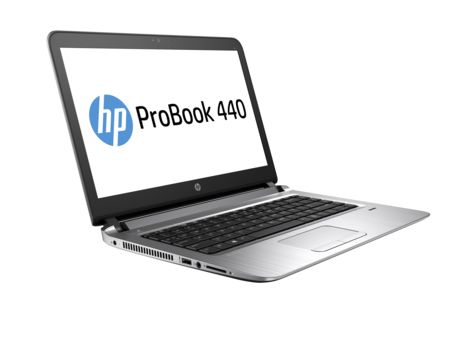
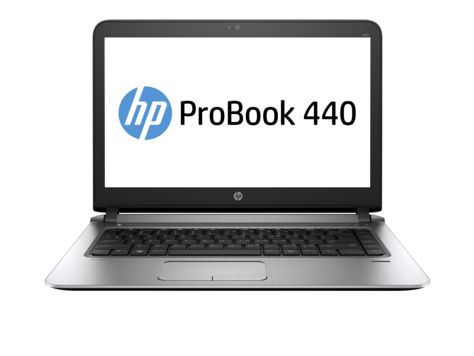
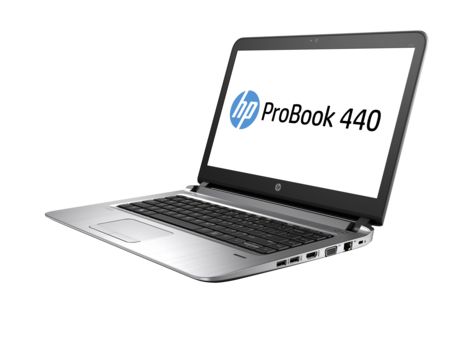
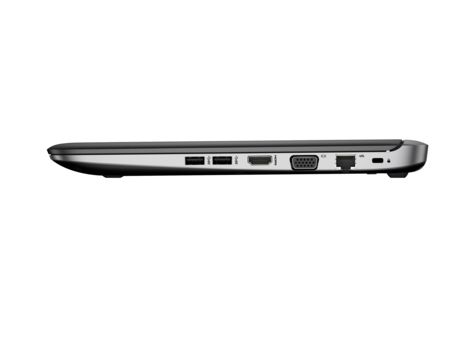
HP Probook 440 G3 laptop RAM upgrade specifications include two SO-DIMM slots supporting DDR4-SDRAM memory modules. The device accommodates a maximum RAM capacity of 16 GB total, with compatible memory operating at 2133 MHz frequency. Each slot accepts SO-DIMM form factor modules. Upgrade options range from single module installations to dual-module configurations, allowing memory expansion from factory-standard specifications to the 16 GB maximum capacity. DDR4-SDRAM compatibility ensures specifications remain consistent across memory upgrade implementations for the HP Probook 440 G3 series.
Memory Upgrade Specifications
| Specification | Value |
|---|---|
| Memory slots | 2x SO-DIMM |
| Form factor | SO-DIMM |
| Memory type | DDR4-SDRAM |
| Frequency | 2133 MHz |
| Maximum RAM | 16 GB |
| Voltage | 1.2V |
| Number of pins | 260-pin |
| Interface | PC4 |
| PC Speed Rating | PC4-2133 (PC4-17064) |
| Bandwidth | 17.1 GB/s |
| Laptop Release date | 21 June 2016 |
Additional Notes
- The HP ProBook 440 G3 supports only non-ECC unbuffered memory modules, as standard SO-DIMM slots in this business-class configuration lack error correction functionality.
- Installation requires DDR4 modules operating at 1.2V, as DDR3L or DDR3 variants are electrically incompatible with the memory controller despite similar physical dimensions.
- Modules rated above 2133 MHz will automatically downclock to match the chipset's maximum supported frequency, offering no performance benefit over specifications-compliant memory.
- The dual-channel architecture achieves peak theoretical bandwidth of 34.1 GB/s when both slots contain matched-capacity modules, while asymmetric configurations force single-channel operation at 17.05 GB/s.
- The 16 GB ceiling necessitates 2x8 GB modules for maximum capacity, preventing future expansion beyond this density without replacing both existing modules.
- Access to memory slots requires removing the bottom service panel, which typically remains warranty-compliant as a user-serviceable component per HP's maintenance documentation.
- Mixing modules with different CAS latencies forces the memory controller to adopt the slower timing specification across both channels, potentially degrading performance below single-module configurations.
- Single-rank modules consume less power than dual-rank equivalents, though the performance differential becomes negligible under typical business application workloads.
- The SO-DIMM form factor measures 67.6 mm in length, physically incompatible with standard DIMM or Mini-DIMM slots found in desktop or embedded systems.
- Upgrading from factory-installed 4 GB or 8 GB configurations to 16 GB eliminates disk paging during simultaneous operation of multiple virtual machines or large dataset processing.