HP Probook 640 G4 RAM upgrade specifications
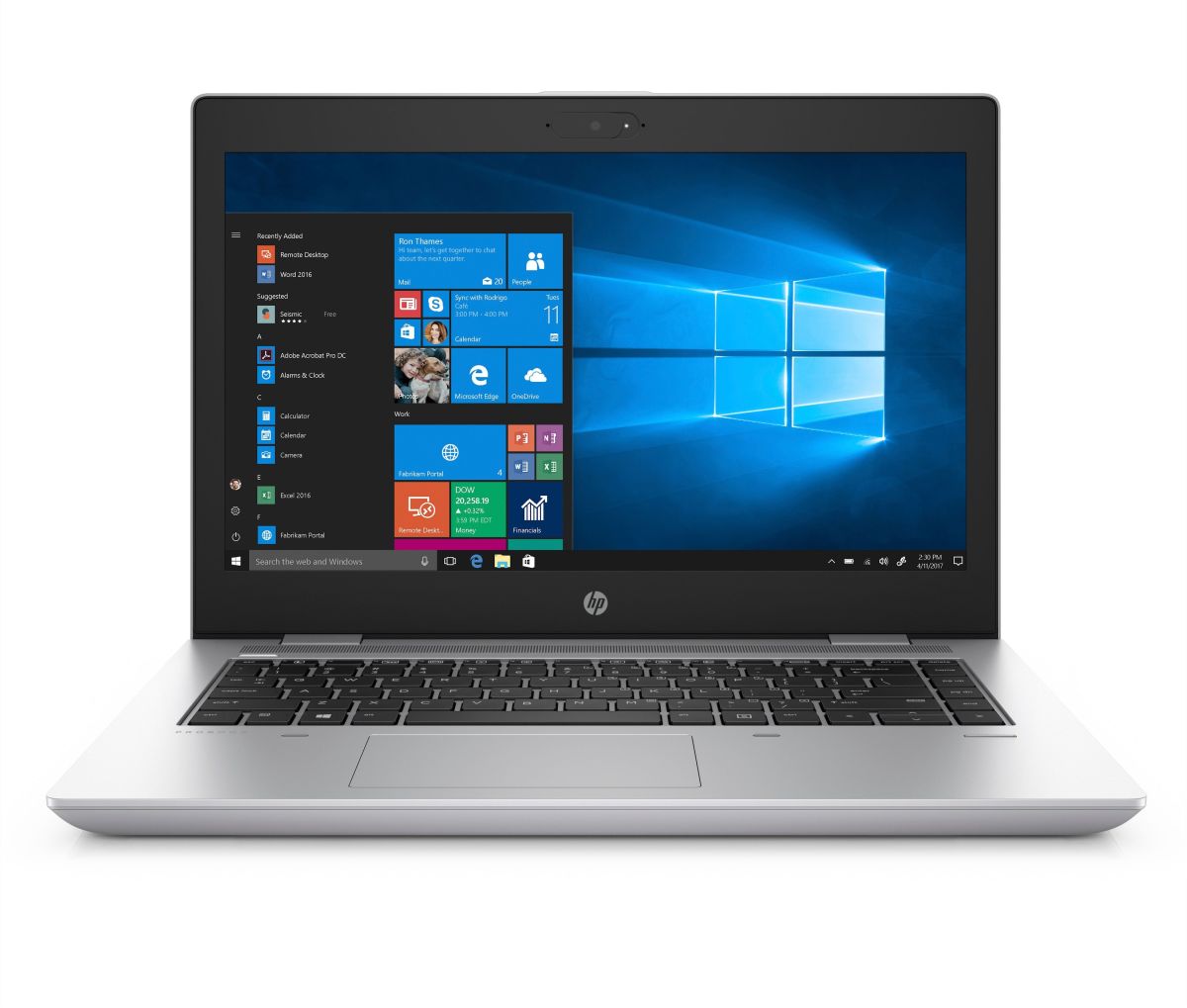
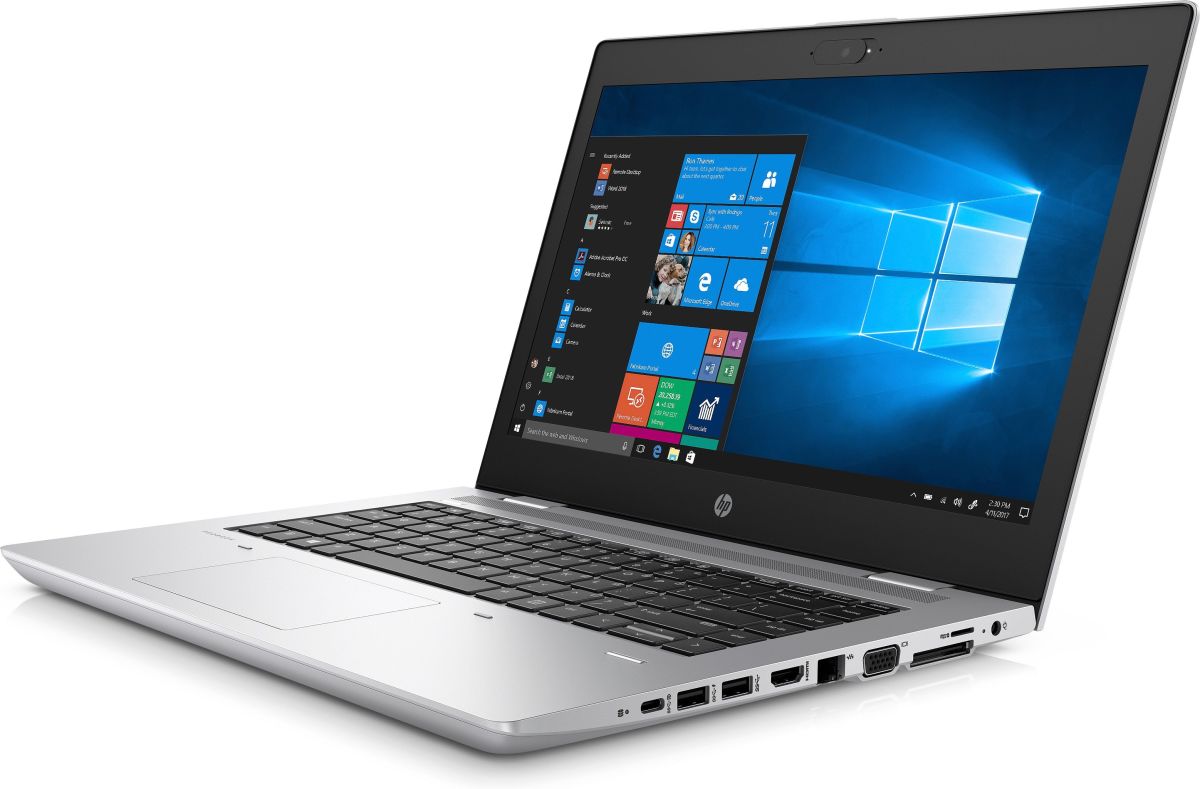
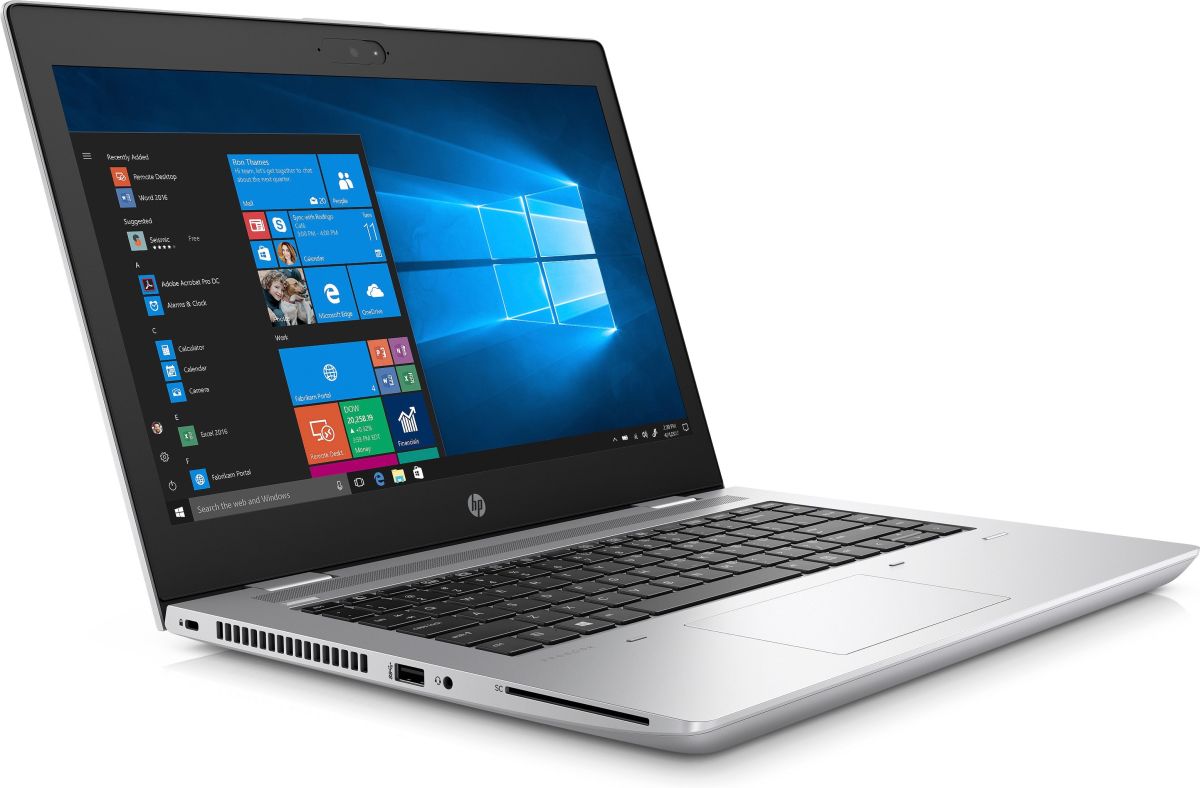
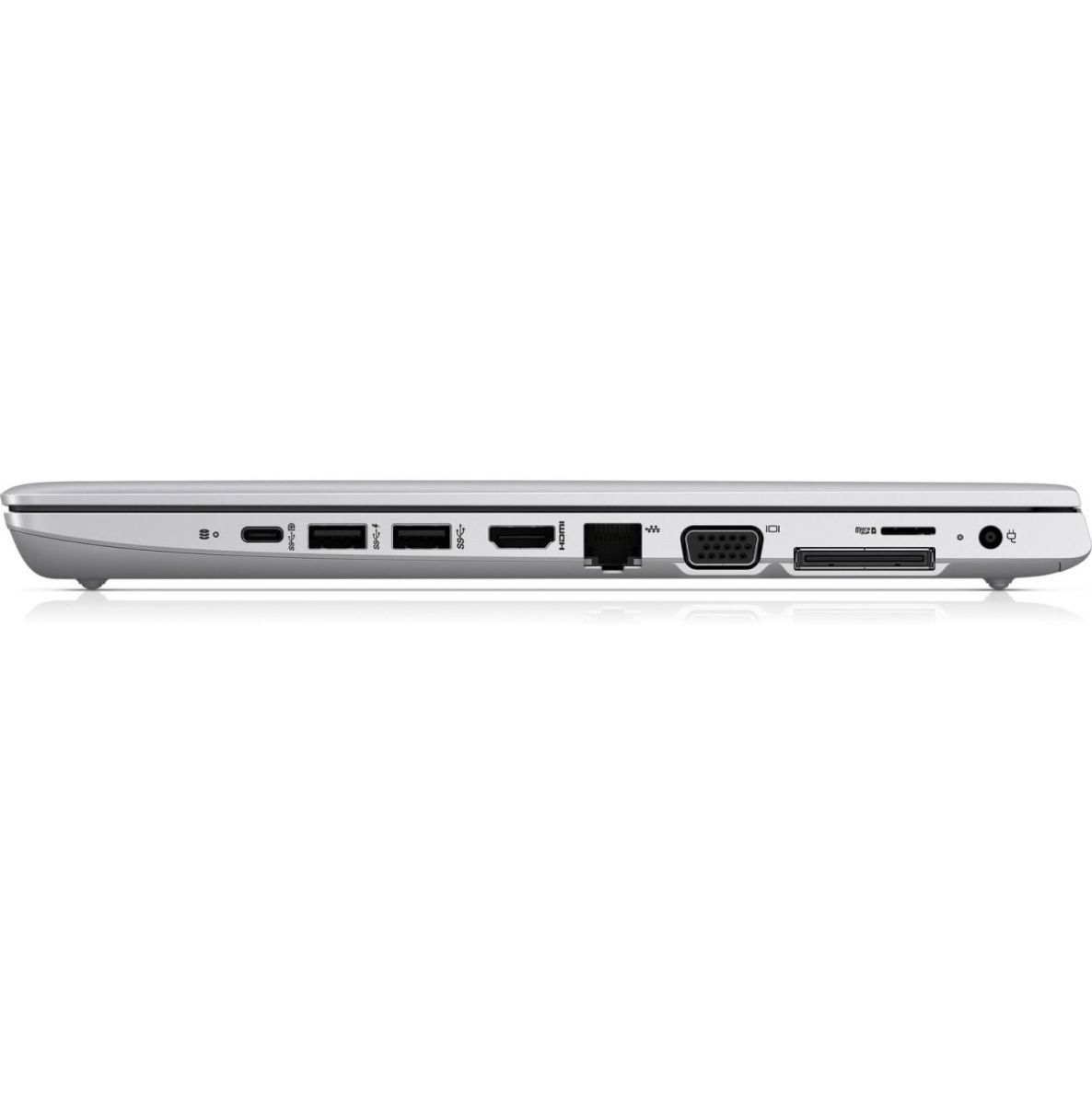
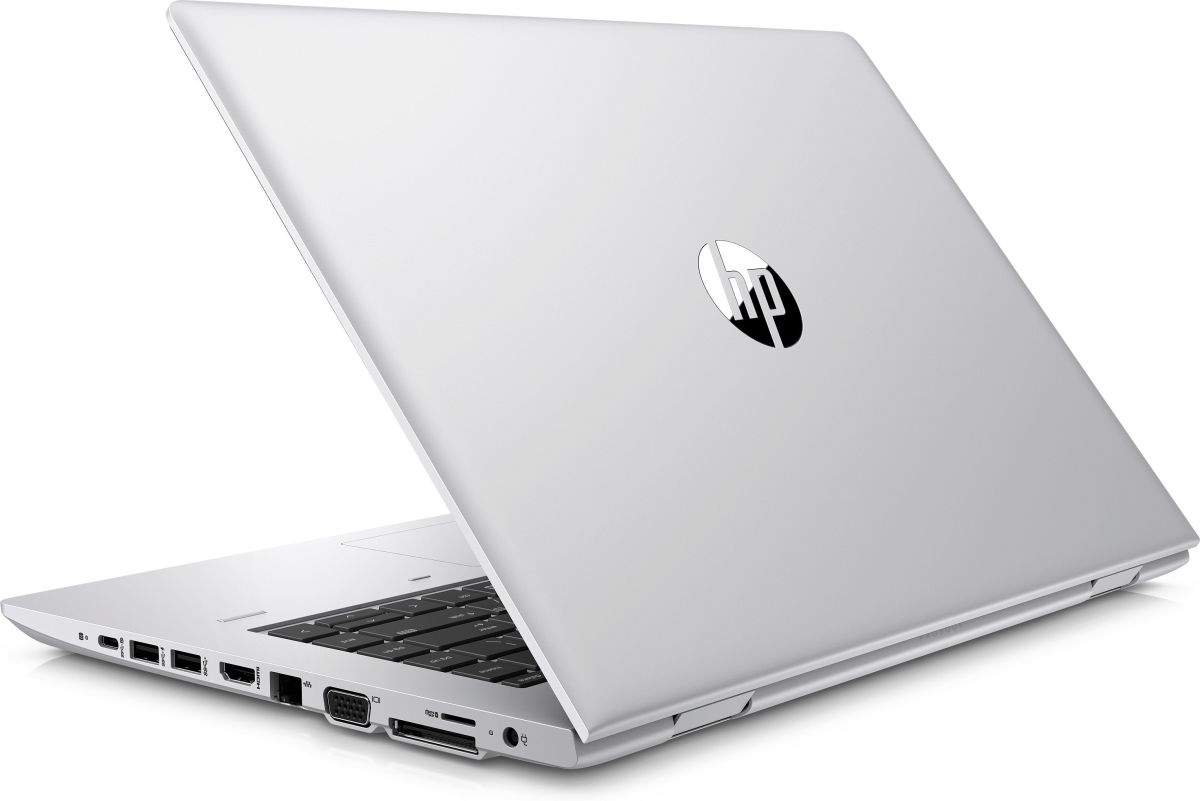
HP Probook 640 G4 laptop memory upgrade specifications include two SO-DIMM slots supporting DDR4-SDRAM modules at 2400 MHz frequency. Maximum RAM capacity reaches 32 GB total. Compatible memory modules utilize SO-DIMM form factor. Current upgrade options allow users to expand existing memory configuration up to the maximum supported capacity. Specifications define compatible memory types and slot availability for RAM expansion in HP Probook 600 series 640 G4 model.
Memory Upgrade Specifications
| Specification | Value |
|---|---|
| Memory slots | 2x SO-DIMM |
| Form factor | SO-DIMM |
| Memory type | DDR4-SDRAM |
| Frequency | 2400 MHz |
| Maximum RAM | 32 GB |
| Voltage | 1.2V |
| Number of pins | 260-pin |
| Interface | PC4 |
| PC Speed Rating | PC4-2400 (PC4-19200) |
| Bandwidth | 19.2 GB/s |
| Laptop Release date | 21 March 2018 |
Additional Notes
- The SO-DIMM form factor restricts compatibility to laptop-specific memory modules, excluding standard desktop DIMM variants regardless of matching DDR4 specifications.
- Maximum module density per slot is limited to 16 GB, as dual-channel configuration divides the 32 GB ceiling across both available slots.
- Memory controller architecture supports dual-channel operation when paired modules of identical specifications occupy both slots, potentially doubling bandwidth versus single-module configurations.
- Intel 8th generation mobile processors in this chassis generation enforce DDR4-2400 as the maximum official frequency, with higher-rated modules automatically downclocking to this ceiling.
- Non-ECC unbuffered modules are required for consumer-grade ProBook systems, as registered or error-correcting variants trigger POST failures in this platform segment.
- Single-rank module configurations typically exhibit broader compatibility with older BIOS revisions than dual-rank alternatives at equivalent capacities.
- Operating voltage must conform to DDR4 standard 1.2V specification, as the mobile platform lacks voltage adjustment capabilities for overclocked or non-standard modules.
- Physical slot accessibility requires bottom panel removal without keyboard disassembly, maintaining user-serviceable classification under most regional warranty terms.
- Occupied slot verification becomes necessary before procurement, as systems shipped with 16 GB may utilize either 1x16 GB or 2x8 GB configurations affecting expansion strategy.
- CAS latency variations within JEDEC specifications produce negligible real-world performance differences at the 2400 MHz frequency ceiling in typical business workloads.
- Module height clearance accepts standard 30mm SO-DIMM profiles without interference from adjacent components or thermal solutions.
- Mixed-capacity configurations remain functional but sacrifice dual-channel symmetry benefits beyond the smaller module's capacity threshold in asymmetric flex mode.