LENOVO IdeaPad 510s RAM upgrade specifications
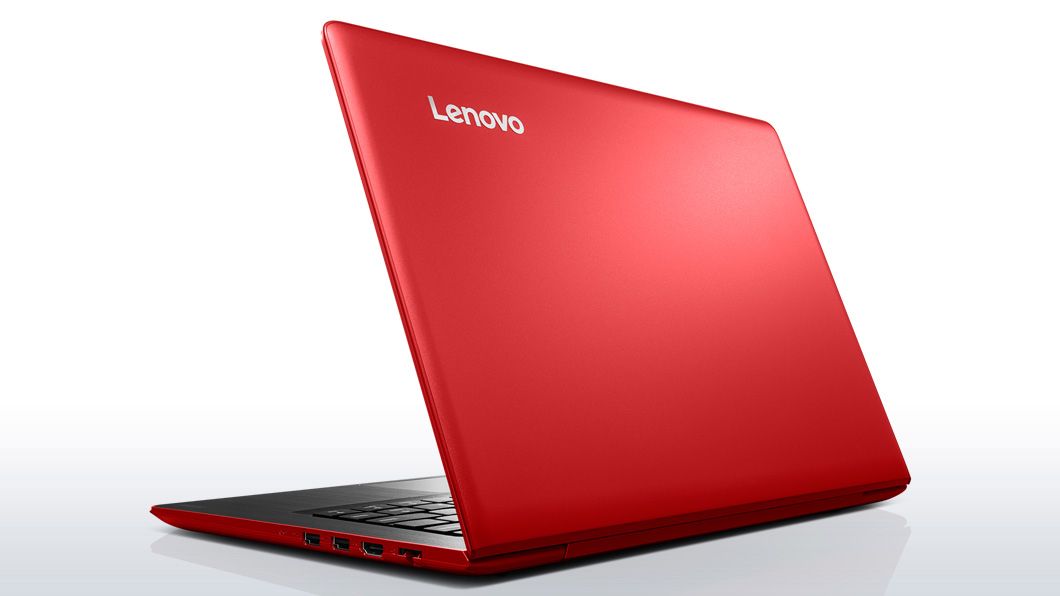
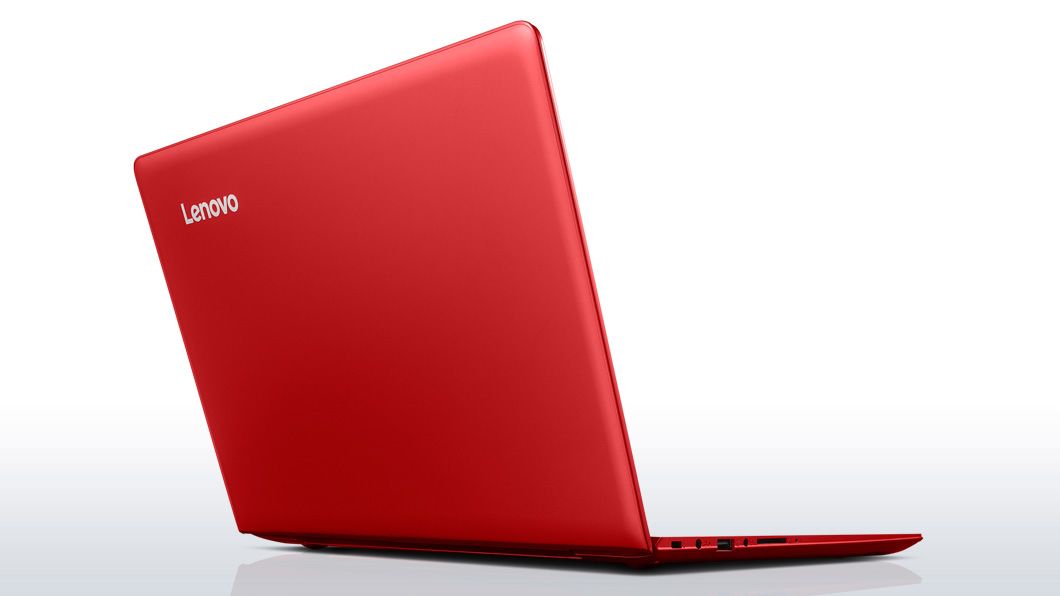
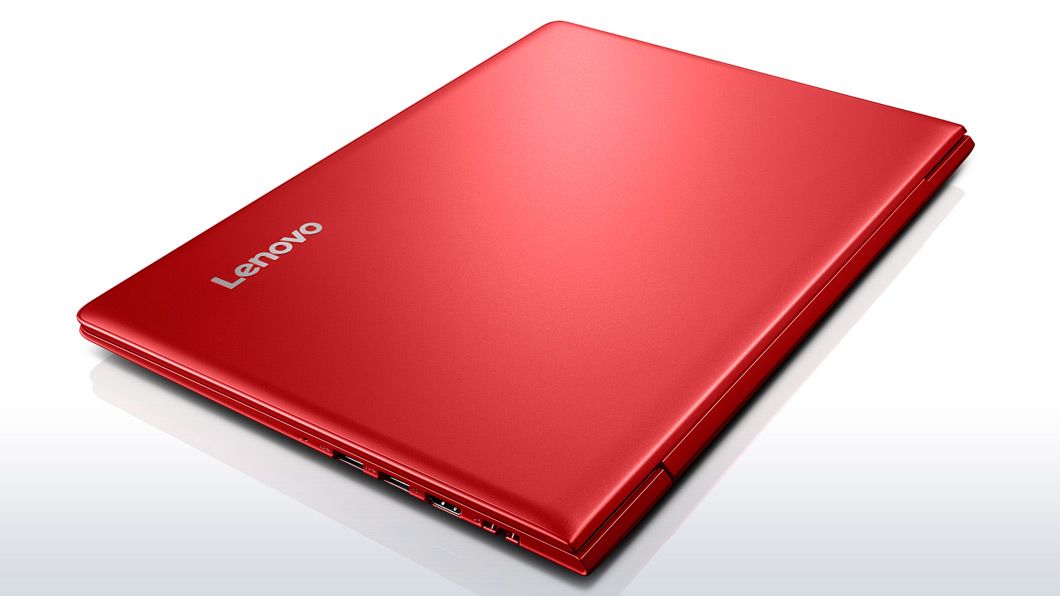
Lenovo IdeaPad 500 Series 510s laptop features one SO-DIMM memory slot compatible with DDR4-SDRAM modules. Maximum supported RAM capacity is 8 GB. Memory upgrade specifications include DDR4 operating at 2133 MHz frequency. The SO-DIMM form factor indicates compatibility with standard notebook-sized memory modules. Existing memory configurations can be upgraded by installing compatible DDR4-SDRAM in the available slot. Specifications confirm maximum memory upgrade potential of 8 GB for this Lenovo IdeaPad 510s model.
Memory Upgrade Specifications
| Specification | Value |
|---|---|
| Memory slots | 1x SO-DIMM |
| Form factor | SO-DIMM |
| Memory type | DDR4-SDRAM |
| Frequency | 2133 MHz |
| Maximum RAM | 8 GB |
| Voltage | 1.2V |
| Number of pins | 260-pin |
| Interface | PC4 |
| PC Speed Rating | PC4-2133 (PC4-17064) |
| Bandwidth | 17.1 GB/s |
| Laptop Release date | 05 July 2017 |
Additional Notes
- The 510s contains a soldered component configuration with only 1 accessible SO-DIMM slot, indicating the remaining memory capacity is likely integrated directly onto the motherboard and cannot be removed or replaced.
- Upgrading from factory configuration to the 8 GB maximum requires installing a DDR4-2133 SO-DIMM module in the single available slot, which will operate in single-channel mode rather than dual-channel, eliminating bandwidth symmetry benefits typical of dual-slot architectures.
- The DDR4-2133 specification represents older memory generation timing; modules of this speed are increasingly scarce in retail channels, potentially requiring procurement through used markets or specialty distributors rather than mainstream retailers.
- Maximum addressable memory of 8 GB constrains the system to lightweight workloads; multitasking, virtual machine operation, and memory-intensive applications will encounter ceiling limitations that cannot be expanded through hardware modification.
- The single SO-DIMM slot design prevents staged memory upgrades; users cannot add memory incrementally and must plan for final capacity needs at the time of initial upgrade, as adding a module displaces the need for future expansion entirely.
- SO-DIMM modules occupy compact form factors suited to the chassis design; any replacement module must match this specification precisely, as standard UDIMM variants will not physically interface with the motherboard socket.