LENOVO IdeaPad 520s RAM upgrade specifications


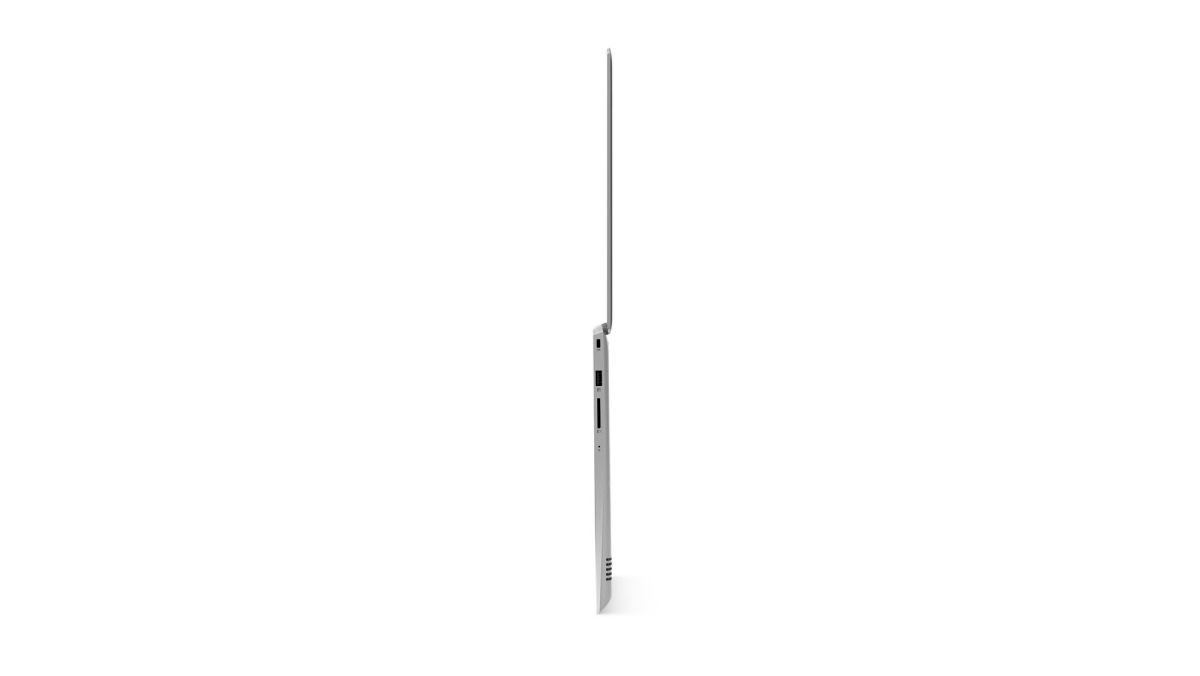


Lenovo IdeaPad 500 Series 520s laptop features one SO-DIMM slot for DDR4-SDRAM memory upgrades. Maximum RAM capacity reaches 8 GB with DDR4-2400 MHz specifications. The upgrade slot accepts standard SO-DIMM form factor modules compatible with DDR4 memory standards. Users can expand the laptop's memory configuration by installing compatible DDR4 modules into the available slot, subject to the 8 GB maximum capacity constraint.
Memory Upgrade Specifications
| Specification | Value |
|---|---|
| Memory slots | 1x SO-DIMM |
| Form factor | SO-DIMM |
| Memory type | DDR4-SDRAM |
| Frequency | 2400 MHz |
| Maximum RAM | 8 GB |
| Voltage | 1.2V |
| Number of pins | 260-pin |
| Interface | PC4 |
| PC Speed Rating | PC4-2400 (PC4-19200) |
| Bandwidth | 19.2 GB/s |
| Laptop Release date | 13 February 2018 |
Additional Notes
- The single slot architectural design necessitates a total replacement of the existing module to increase capacity as dual channel memory configurations are physically impossible.
- Bandwidth is restricted to single channel mode which creates a predictable performance ceiling for integrated graphics processing and memory intensive multitasking.
- Installation of memory modules with frequencies higher than 2400 MHz results in automatic downclocking to match the hardcoded motherboard bus speed limits.
- The 8 GB maximum threshold indicates a BIOS or chipset level restriction that likely prevents the recognition of high density 16 GB or 32 GB modules despite the physical compatibility of the SO-DIMM slot.
- Memory latency remains tied to the SPD profile of the individual module because the IdeaPad firmware typically lacks manual voltage or timing adjustments found in high performance gaming series.
- The utilization of SO-DIMM hardware allows for standard tool access but requires the removal of the entire lower chassis casing which may involve navigating hidden plastic clips and sensitive internal ribbon cables.
- System stability depends on selecting non-ECC unbuffered modules as the consumer grade chipset lacks the logic parity required for error correcting code memory.