LENOVO IdeaPad 520 RAM upgrade specifications
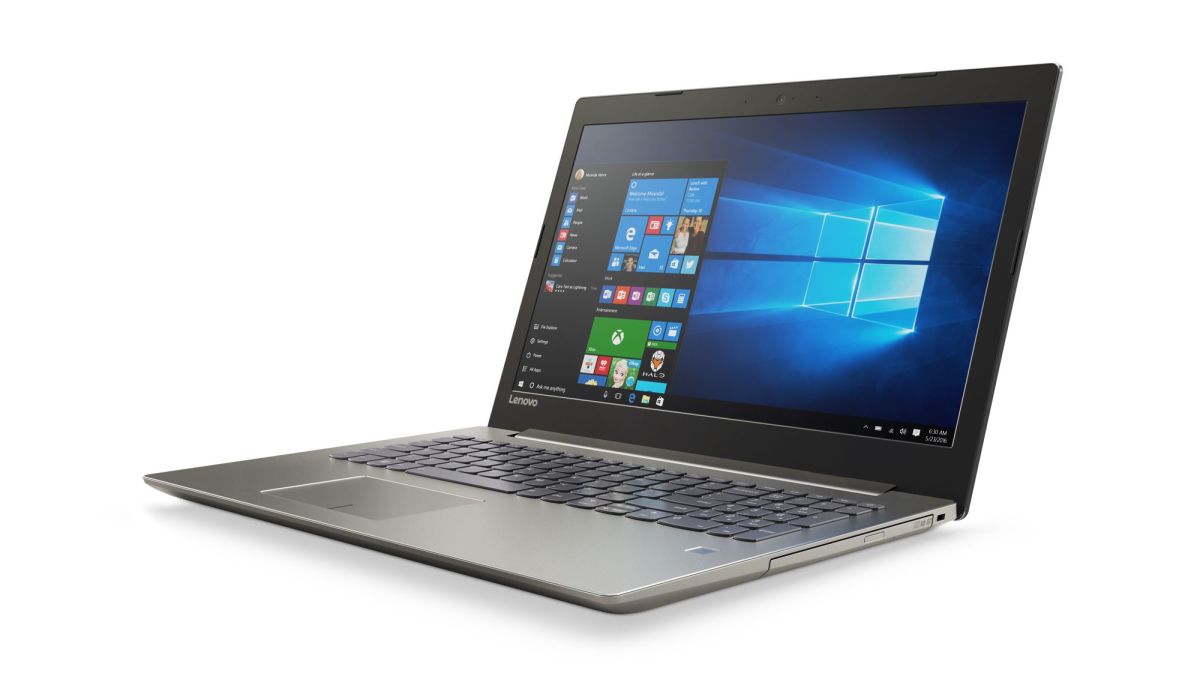
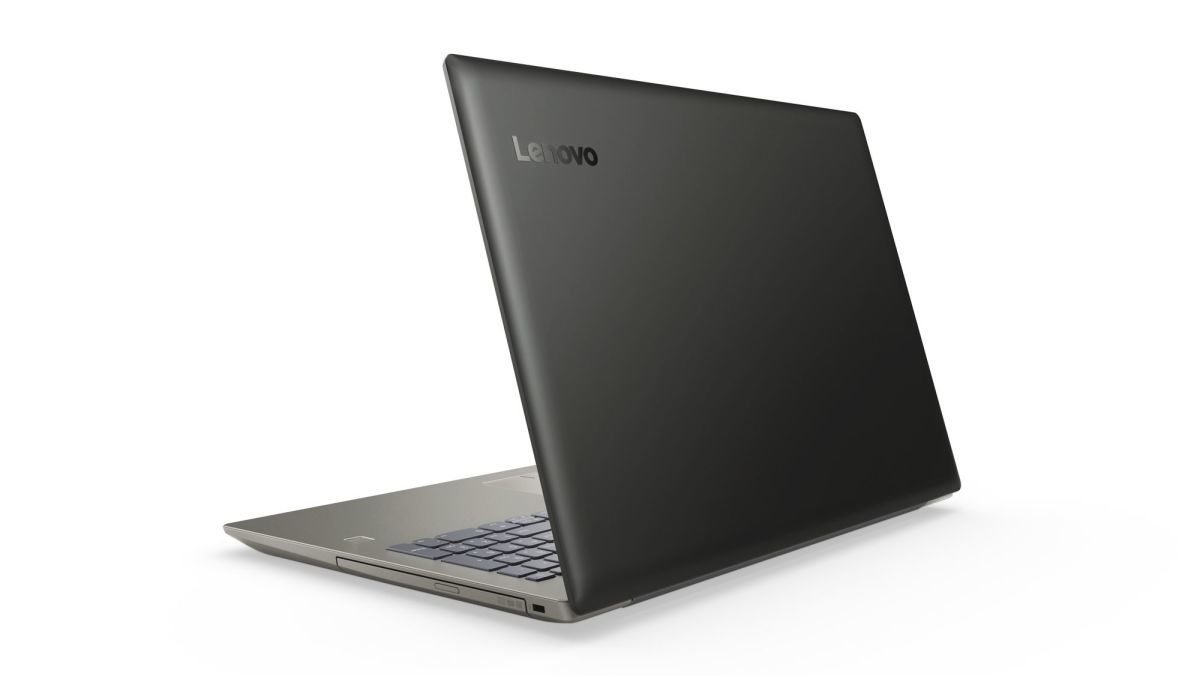

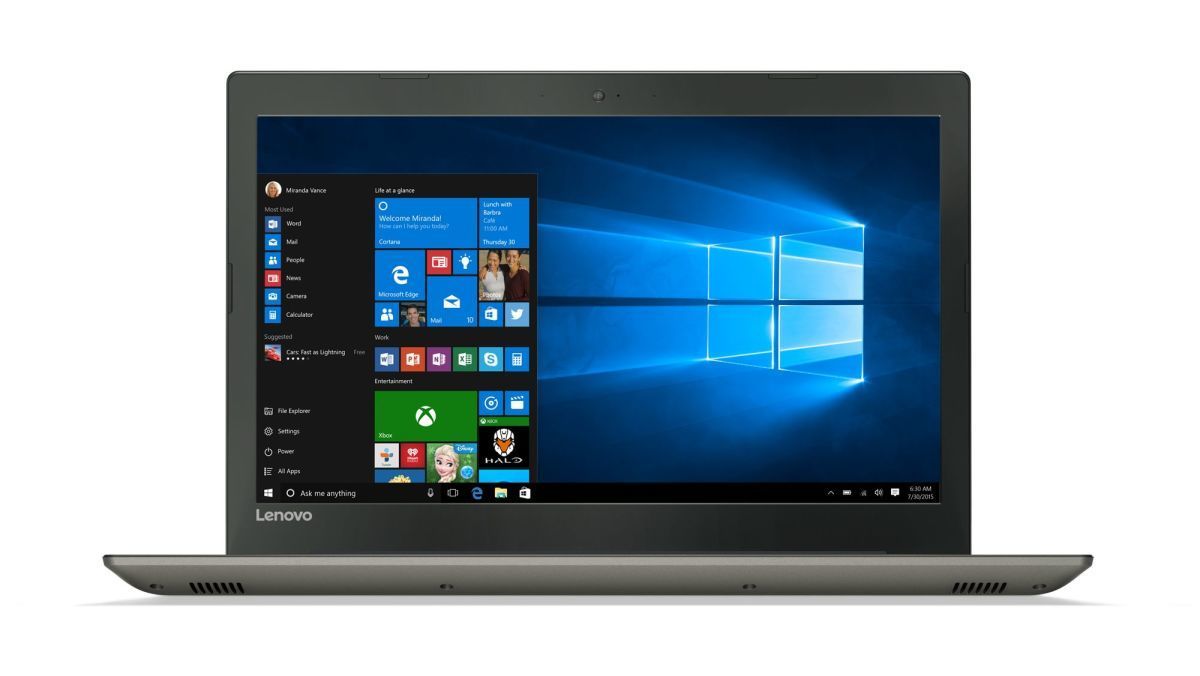
The Lenovo IdeaPad 500 Series 520 laptop features DDR4-SDRAM memory specifications compatible with upgrade configurations. The device contains one SO-DIMM slot available for memory expansion, with a maximum RAM capacity of 16 GB. Memory operates at 2133 MHz frequency. The upgrade architecture utilizes on-board memory combined with a single SO-DIMM slot, enabling users to expand the laptop's total memory capacity through compatible DDR4-SDRAM modules.
Memory Upgrade Specifications
| Specification | Value |
|---|---|
| Memory slots | 1x SO-DIMM |
| Form factor | On-board + SO-DIMM |
| Memory type | DDR4-SDRAM |
| Frequency | 2133 MHz |
| Maximum RAM | 16 GB |
| Voltage | 1.2V |
| Number of pins | 260-pin |
| Interface | PC4 |
| PC Speed Rating | PC4-2133 (PC4-17064) |
| Bandwidth | 17.1 GB/s |
| Laptop Release date | 04 August 2017 |
Additional Notes
- The on-board memory component cannot be removed or replaced, establishing a permanent baseline capacity that reduces total available expansion compared to dual-slot configurations.
- The single SO-DIMM slot architecture limits upgrade flexibility to one-time replacement scenarios rather than incremental capacity additions.
- Systems shipping with soldered memory below 8 GB face significant constraints, as the SO-DIMM slot must compensate for the non-upgradeable portion to reach practical multitasking thresholds.
- 2133 MHz represents DDR4's baseline speed tier, preventing performance gains available from higher-frequency modules rated at 2400 MHz or 2666 MHz even if installed.
- The memory controller will downclock any faster SO-DIMM module to 2133 MHz operation, eliminating potential bandwidth advantages from premium memory purchases.
- Single-channel operation through the lone SO-DIMM slot creates memory bandwidth limitations compared to dual-channel configurations, particularly affecting integrated graphics performance.
- If soldered memory exists independently, the system may operate in asymmetric dual-channel mode when populated, though bandwidth remains constrained by the slower 2133 MHz specification.
- The 16 GB maximum capacity restriction stems from memory controller limitations rather than physical slot constraints, preventing future expansion beyond this ceiling regardless of SO-DIMM availability.
- Installation requires accessing the bottom chassis panel, with potential seal-breaking implications for warranty coverage depending on regional service policies.
- Non-standard SO-DIMM voltage requirements, if present beyond the DDR4 standard 1.2V, would necessitate specific module selection to avoid compatibility failures.
- The hybrid memory architecture complicates capacity planning, as users must determine existing soldered memory size before selecting the appropriate SO-DIMM module to achieve target configurations.
- Thermal design considerations for the SO-DIMM slot may limit sustained memory performance in thermally constrained laptop chassis designs.