LENOVO IdeaPad Y900 RAM upgrade specifications
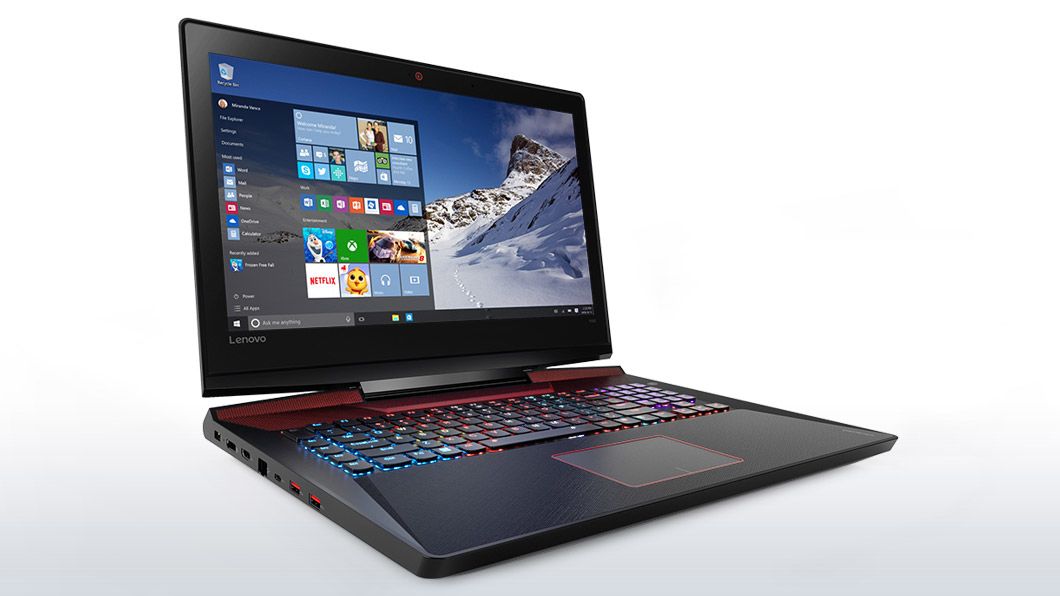
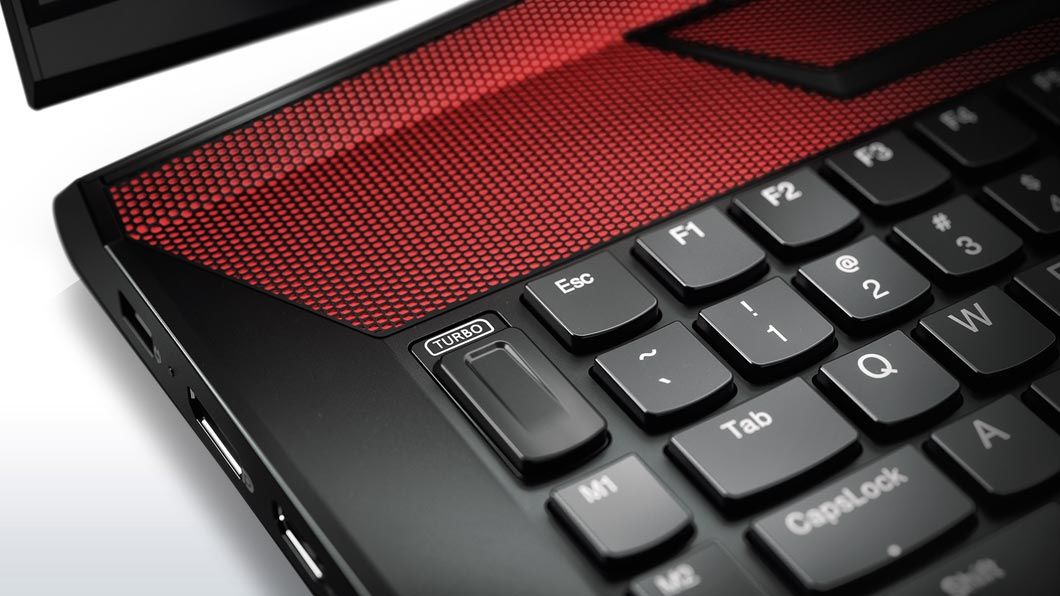
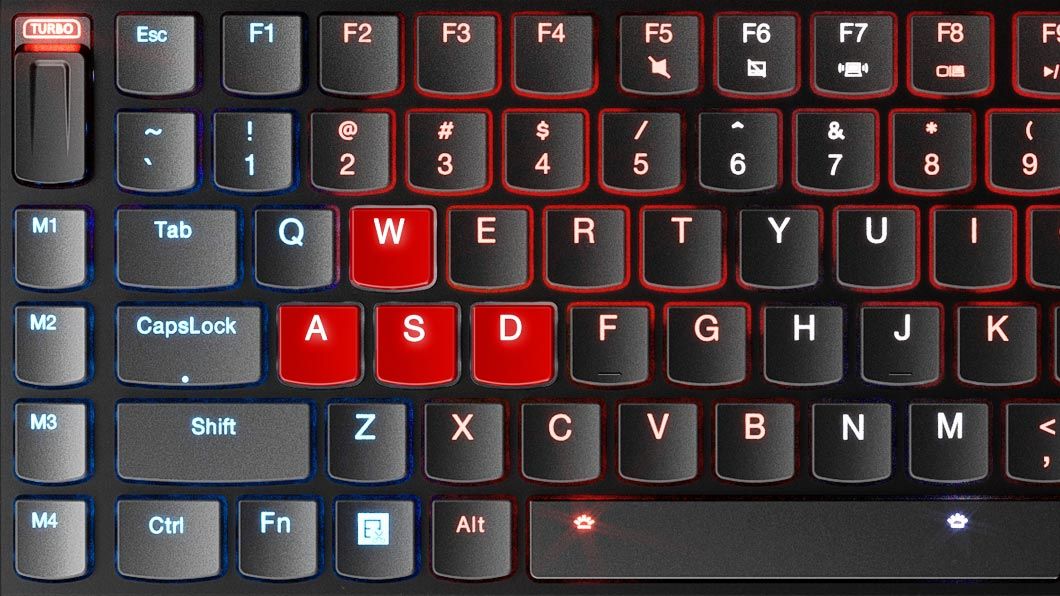
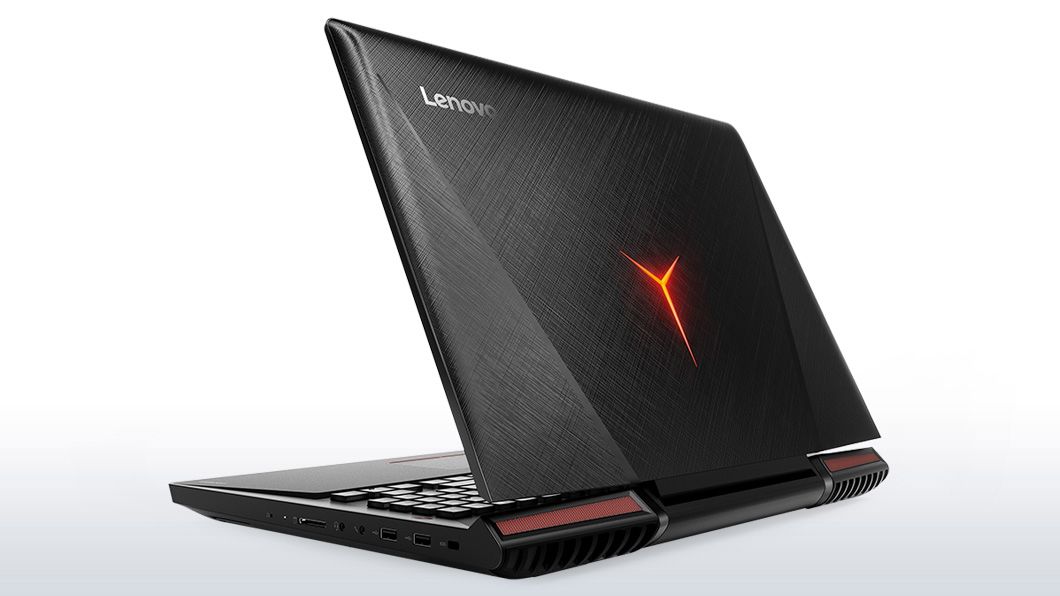
The Lenovo IdeaPad Y series Y900 laptop supports DDR4-SDRAM memory upgrades with four SO-DIMM slots. Maximum RAM capacity reaches 64 GB total, with compatible modules operating at 2133 MHz frequency. Upgrade specifications indicate SO-DIMM form factor memory modules are required for this model. The Y900 platform accommodates memory expansion through its four available slots, enabling users to configure RAM capacity according to performance requirements and workload demands.
Memory Upgrade Specifications
| Specification | Value |
|---|---|
| Memory slots | 4x SO-DIMM |
| Form factor | SO-DIMM |
| Memory type | DDR4-SDRAM |
| Frequency | 2133 MHz |
| Maximum RAM | 64 GB |
| Voltage | 1.2V |
| Number of pins | 260-pin |
| Interface | PC4 |
| PC Speed Rating | PC4-2133 (PC4-17064) |
| Bandwidth | 17.1 GB/s |
| Laptop Release date | 21 July 2017 |
Additional Notes
- The presence of 4 SO-DIMM slots implies a dual-channel architecture where modules must be installed in matching pairs to maintain optimal memory bandwidth and avoid performance degradation.
- Upgrading to the 64 GB maximum capacity necessitates the use of 16 GB high-density modules in every available slot due to the specific density limits of the 2133 MHz chipset generation.
- Installing memory modules with frequencies higher than 2133 MHz results in automatic downclocking to match the system bus speed, potentially increasing CAS latency compared to native 2133 MHz sticks.
- Physical access to all 4 memory slots often requires the removal of the primary keyboard assembly or extensive disassembly of the chassis base depending on the specific internal motherboard orientation.
- Mixing modules of different capacities or timings within the same channel triggers a fallback to the slowest common denominator, which can introduce system instability during high-load scenarios.
- The hardware architecture utilizes 260-pin connectors, making it incompatible with older DDR3 or DDR3L hardware found in previous IdeaPad Y series iterations.
- Populating all 4 slots increases the thermal load within the SODIMM area, requiring adequate clearance and functional heat spreaders for sustained heavy workloads.
- Current firmware versions dictate the successful recognition of 16 GB individual modules, suggesting a BIOS update may be necessary before attempting a full 64 GB configuration.