LENOVO IdeaPad Y50-70 RAM upgrade specifications
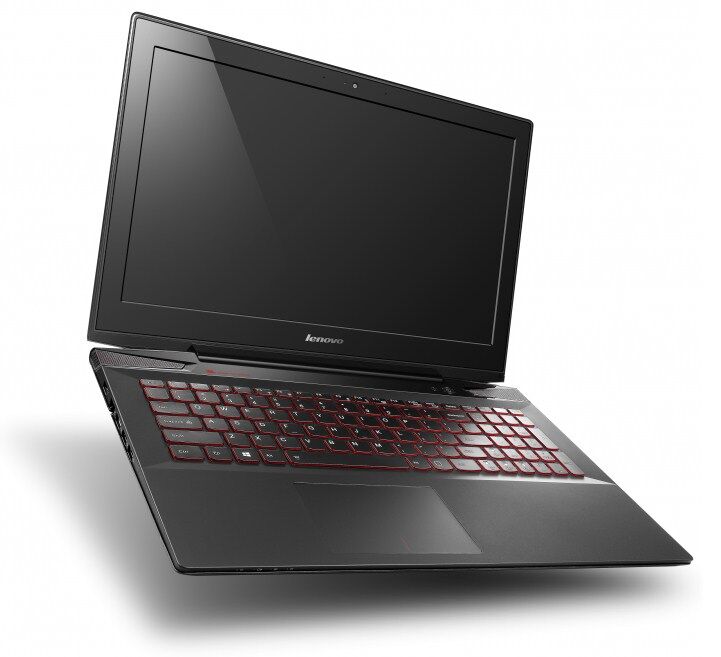
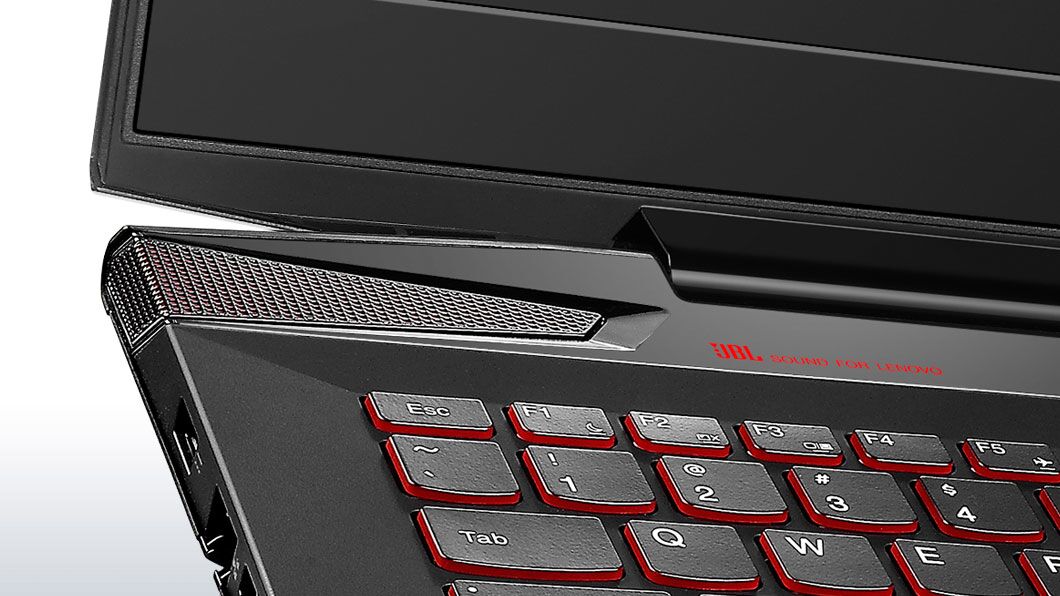
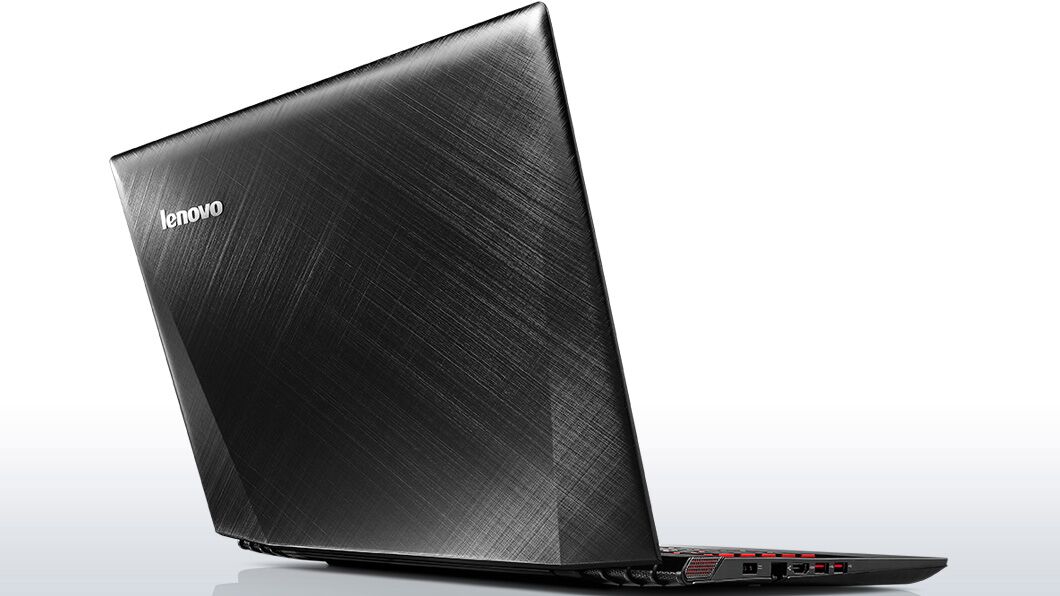
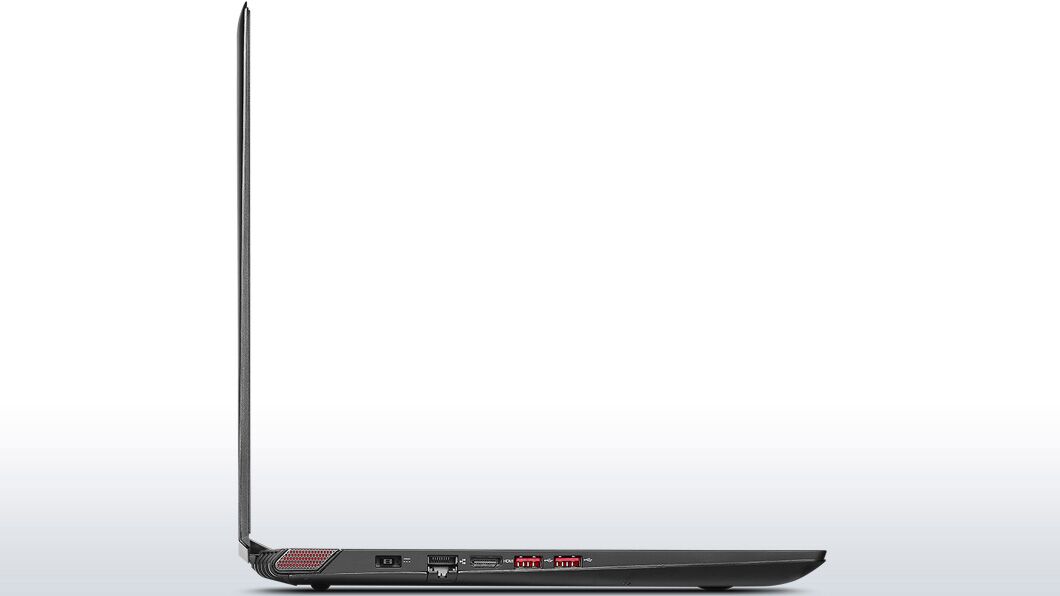
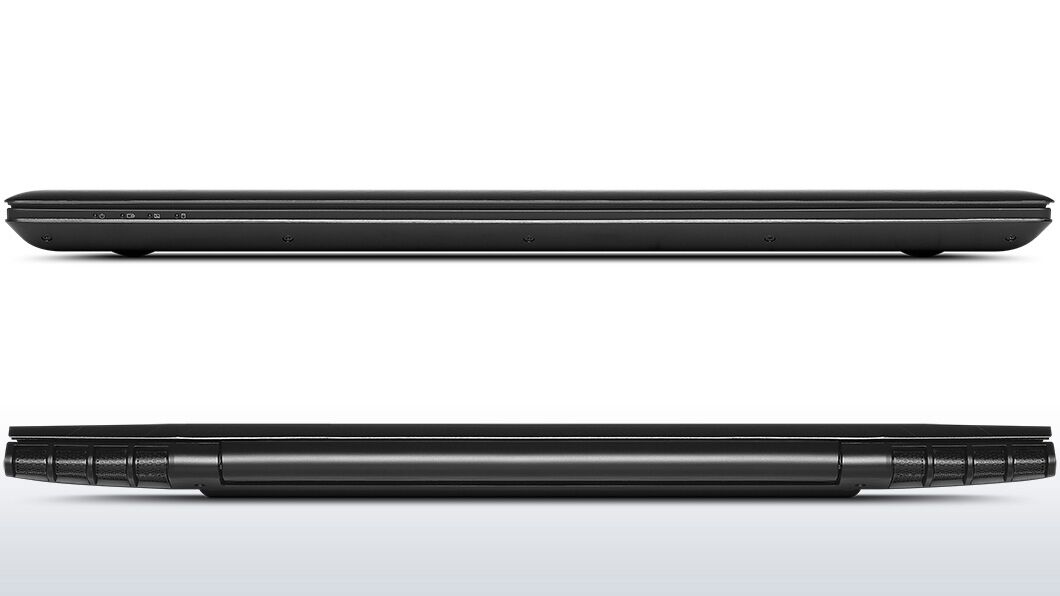
Lenovo IdeaPad Y Series Y50-70 laptop memory upgrade specifications include DDR3L-SDRAM compatible modules in SO-DIMM form factor. The system features two SO-DIMM slots with maximum RAM capacity of 16 GB. Memory modules operate at 1600 MHz frequency. Compatible upgrade configurations support DDR3L-SDRAM memory for enhanced multitasking performance on this Lenovo Y50-70 model. Maximum supported memory capacity reaches 16 GB across available upgrade slots.
Memory Upgrade Specifications
| Specification | Value |
|---|---|
| Memory slots | 2x SO-DIMM |
| Form factor | SO-DIMM |
| Memory type | DDR3L-SDRAM |
| Frequency | 1600 MHz |
| Maximum RAM | 16 GB |
| Voltage | 1.35V (Low Voltage) |
| Number of pins | 204-pin |
| Interface | PC3L |
| PC Speed Rating | PC3L-1600 (PC3L-12800) |
| Bandwidth | 12.8 GB/s |
| Laptop Release date | 13 December 2014 |
Additional Notes
- DDR3L compatibility restricts upgrade sources to legacy memory stock; DDR3 (non-low-voltage) modules may operate but risk elevated power consumption and thermal stress on the system controller.
- The 2 SO-DIMM slot configuration on the Lenovo IdeaPad Y50-70 enforces a maximum practical upgrade ceiling of 16 GB total capacity, eliminating future expansion beyond this threshold once both slots are populated.
- 1600 MHz frequency specification indicates the memory controller supports this speed; faster DDR3L variants (1866 MHz or higher) will downclock to 1600 MHz, generating no performance gain while potentially increasing cost.
- SO-DIMM form factor constrains replacement options to laptop-grade modules only; desktop DDR3L sticks are physically incompatible and cannot be adapted without external enclosures that compromise mobility.
- DDR3L low-voltage requirement (1.35 V nominal) versus standard DDR3 (1.5 V) creates a narrow compatibility window; mixing voltages in dual-slot configurations can trigger system instability or automatic shutdown via power management circuits.
- The 2-slot architecture prevents asymmetrical configurations from delivering performance benefits; mismatched capacity pairs (e.g., 4 GB + 8 GB) operate at the speed of the slower module, not as independent channels.