LENOVO IdeaPad Y910 RAM upgrade specifications
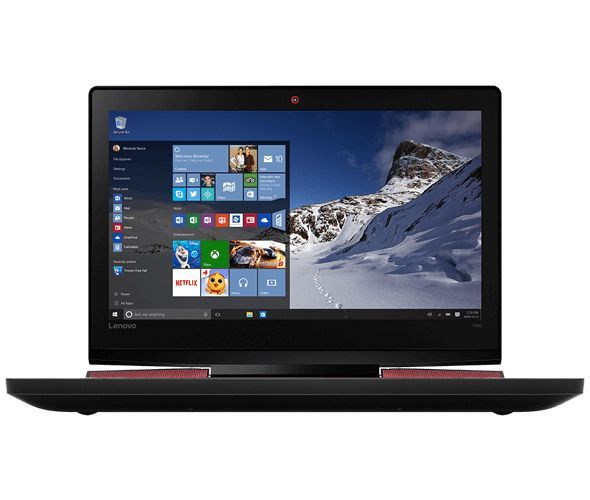

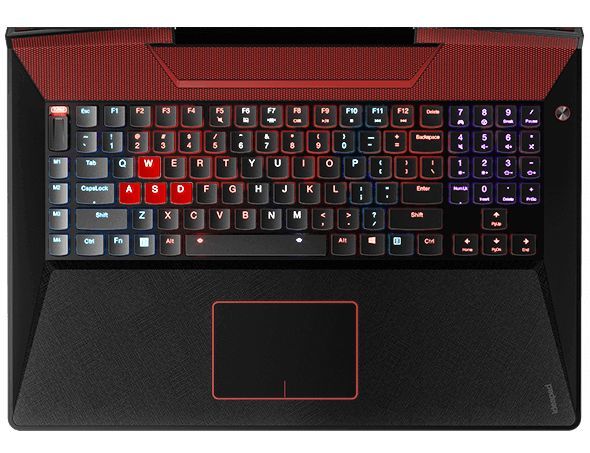
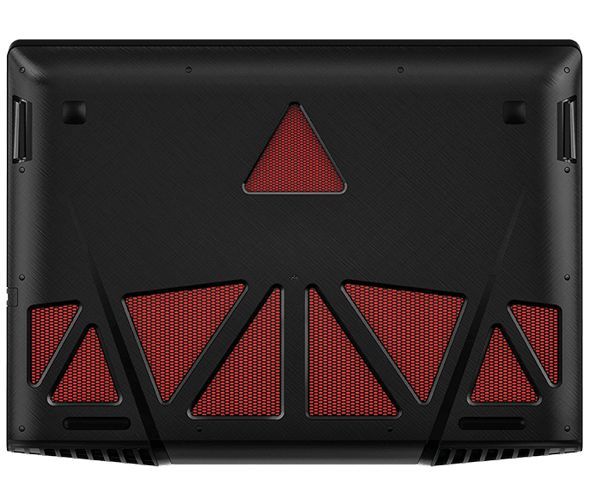

Lenovo IdeaPad Y910 laptop features four SO-DIMM memory slots supporting DDR4-SDRAM specifications. Upgrade capacity reaches maximum of 64 GB total memory at 2133 MHz frequency. Compatible RAM modules utilize SO-DIMM form factor for this specific Y series model. Memory upgrade specifications allow dual-channel or quad-channel configurations depending on slot population and module capacity selections.
Memory Upgrade Specifications
| Specification | Value |
|---|---|
| Memory slots | 4x SO-DIMM |
| Form factor | SO-DIMM |
| Memory type | DDR4-SDRAM |
| Frequency | 2133 MHz |
| Maximum RAM | 64 GB |
| Voltage | 1.2V |
| Number of pins | 260-pin |
| Interface | PC4 |
| PC Speed Rating | PC4-2133 (PC4-17064) |
| Bandwidth | 17.1 GB/s |
| Laptop Release date | 04 August 2017 |
Additional Notes
- The 4x SO-DIMM slot configuration permits asymmetrical population patterns, enabling staged upgrades without full replacement of existing modules.
- DDR4-2133 MHz represents conservative frequency specification; modules rated for 2400 MHz or higher will downclock to 2133 MHz when installed, eliminating performance gains from faster memory but maintaining full compatibility.
- 64 GB theoretical maximum constrains multi-VM workloads and memory-intensive applications such as video editing or 3D rendering to single-instance operations at practical saturation thresholds.
- SO-DIMM form factor restricts upgrade scope to laptop-grade modules; desktop DDR4 DIMMs cannot physically accommodate the slot configuration and will not install.
- Dual-channel bandwidth limitation at 2133 MHz yields approximately 34 GB/s aggregate memory throughput, creating potential latency bottlenecks when pairing with higher-tier processors that exceed this bandwidth ceiling.
- Four discrete slots increase failure risk vectors compared to dual-slot architectures; single module degradation requires isolation testing to identify faulty hardware during troubleshooting.
- No mention of ECC support indicates standard consumer-grade memory qualification; enterprise or workstation modules designed for error correction coding may encounter compatibility issues despite physical installation compatibility.
- Upgrading beyond 32 GB may require BIOS updates to enable full capacity recognition; verification against manufacturer documentation is necessary before mixed-capacity configurations are deployed.