LENOVO IdeaPad V510 RAM upgrade specifications
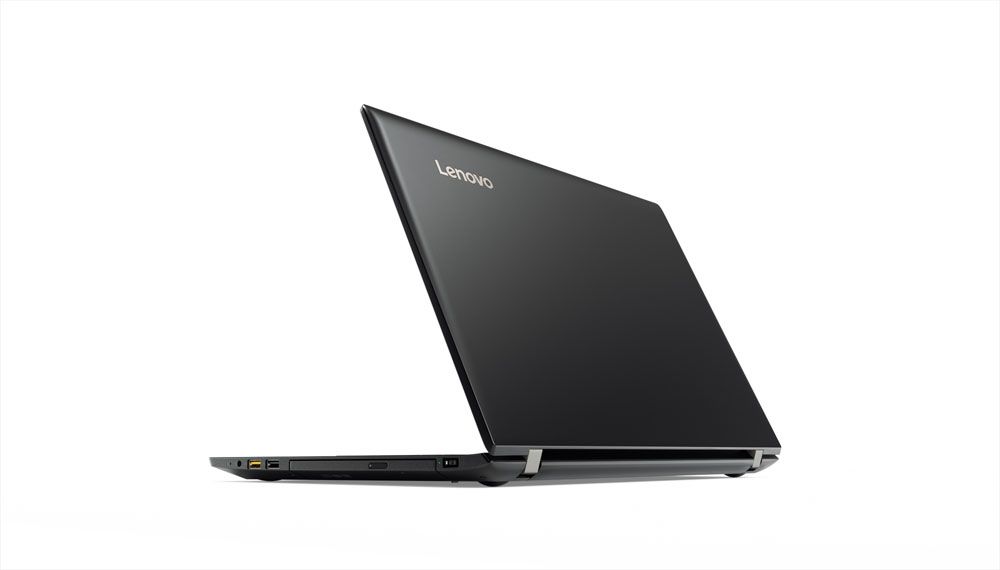
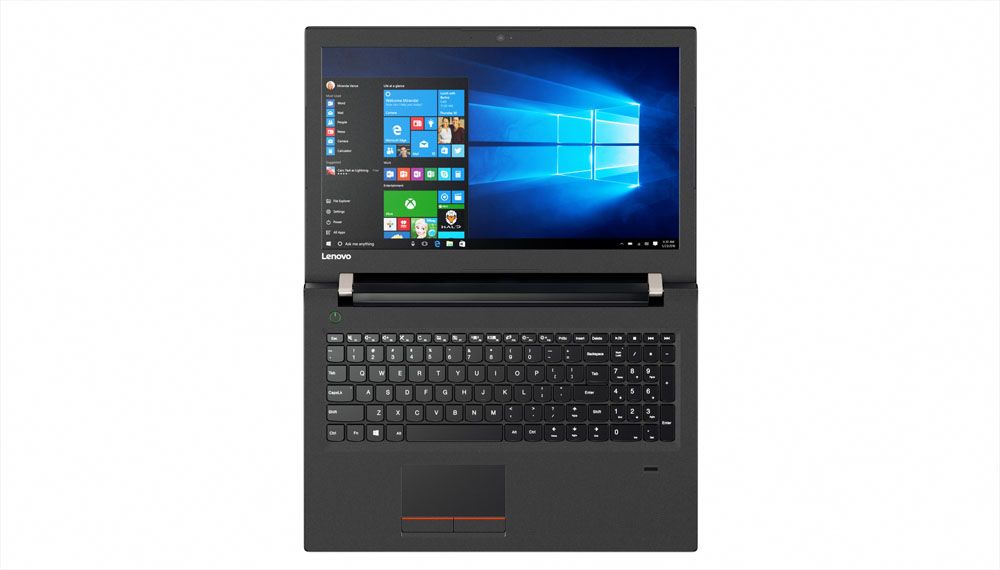
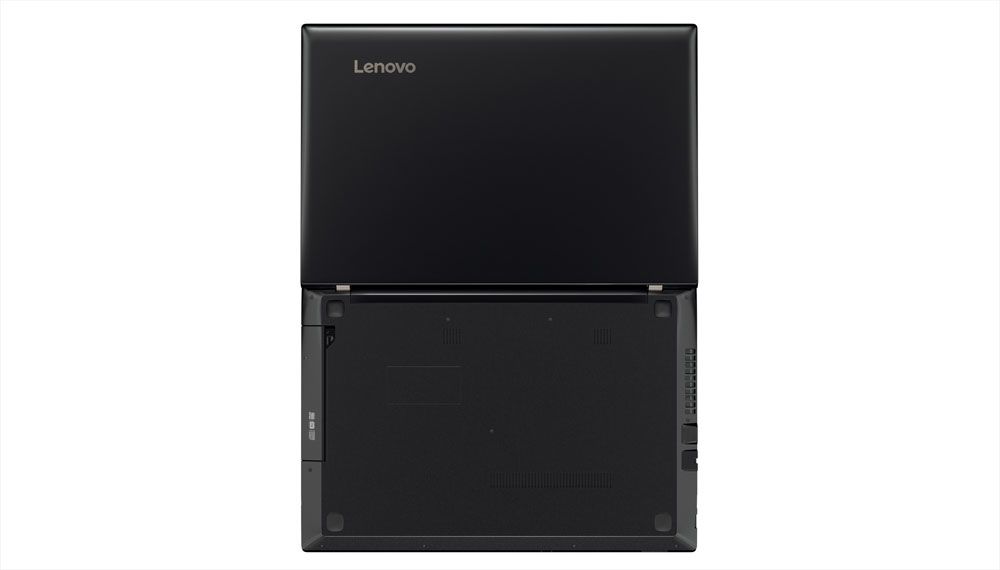
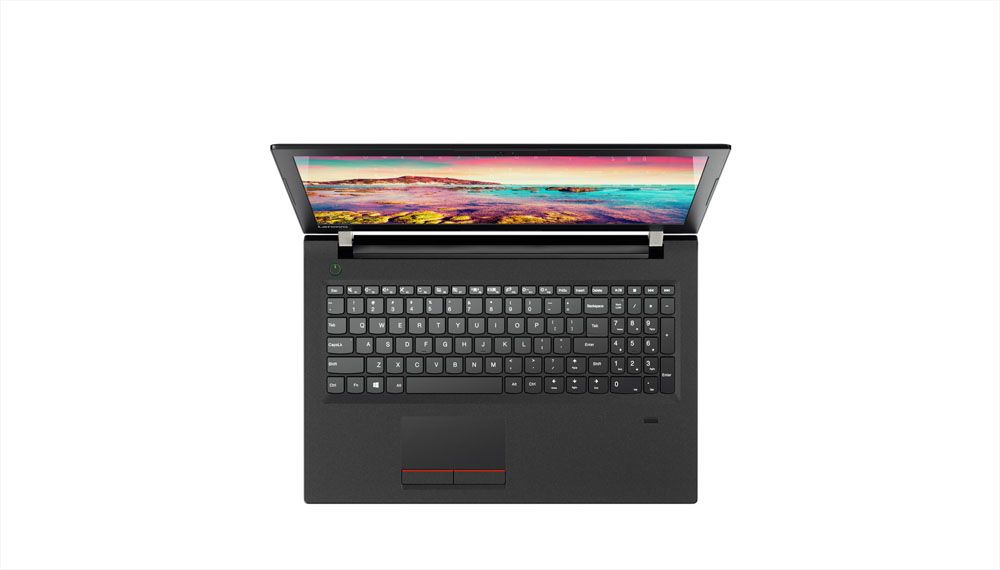
The Lenovo IdeaPad V510 features DDR4-SDRAM memory with one SO-DIMM slot available for upgrade. The laptop contains on-board memory combined with a single SO-DIMM slot, supporting a maximum RAM capacity of 16 GB. Memory modules operate at 2133 MHz frequency. Compatible RAM specifications for the V510 series support DDR4 upgrades, allowing users to expand memory capacity through the accessible SO-DIMM slot to reach maximum specifications of 16 GB total system memory.
Memory Upgrade Specifications
| Specification | Value |
|---|---|
| Memory slots | 1x SO-DIMM |
| Form factor | On-board + SO-DIMM |
| Memory type | DDR4-SDRAM |
| Frequency | 2133 MHz |
| Maximum RAM | 16 GB |
| Voltage | 1.2V |
| Number of pins | 260-pin |
| Interface | PC4 |
| PC Speed Rating | PC4-2133 (PC4-17064) |
| Bandwidth | 17.1 GB/s |
| Laptop Release date | 13 September 2017 |
Additional Notes
- The onboard memory component cannot be removed or replaced, limiting future upgrade flexibility to the single SO-DIMM slot.
- Systems with pre-installed onboard RAM require matching the existing module's frequency to avoid potential instability or automatic downclocking of the faster module.
- Single-channel memory architecture results when only onboard RAM or only SO-DIMM is populated, reducing theoretical bandwidth by approximately 50% compared to dual-channel configurations.
- The 16 GB maximum capacity constraint likely stems from chipset limitations rather than slot limitations, preventing use of 32 GB modules even if physically compatible.
- DDR4-2133 represents the JEDEC baseline specification, meaning faster rated modules will downclock to 2133 MHz regardless of their labeled speed rating.
- Mixing different capacity modules between onboard and SO-DIMM slots may still enable partial dual-channel operation through flex mode, depending on the specific Intel chipset implementation.
- The SO-DIMM specification requires 260-pin modules; incompatible with desktop DIMM (288-pin) or older DDR3 SO-DIMM (204-pin) form factors.
- Voltage requirements for DDR4 standard modules operate at 1.2V, distinguishing them from DDR3L (1.35V) and preventing cross-generation compatibility.
- Accessing the single SO-DIMM slot typically requires bottom panel removal, potentially voiding warranty seals depending on regional consumer protection regulations.
- The combination architecture suggests at least 4 GB of soldered memory exists on the motherboard, as manufacturers rarely implement hybrid configurations without base onboard capacity.
- Non-ECC unbuffered modules are required for consumer laptop platforms; registered or ECC memory types will not function despite physical compatibility.
- The 2133 MHz frequency limitation means purchasing higher-speed DDR4-2400, DDR4-2666, or DDR4-3200 modules provides no performance benefit and only increases cost.