LENOVO ThinkPad E585 RAM upgrade specifications
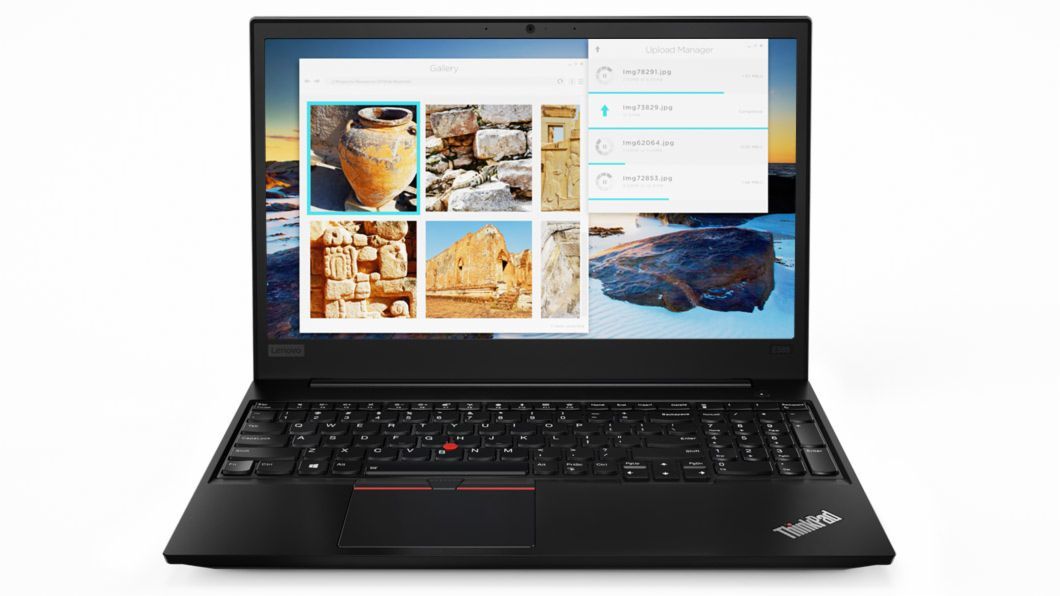
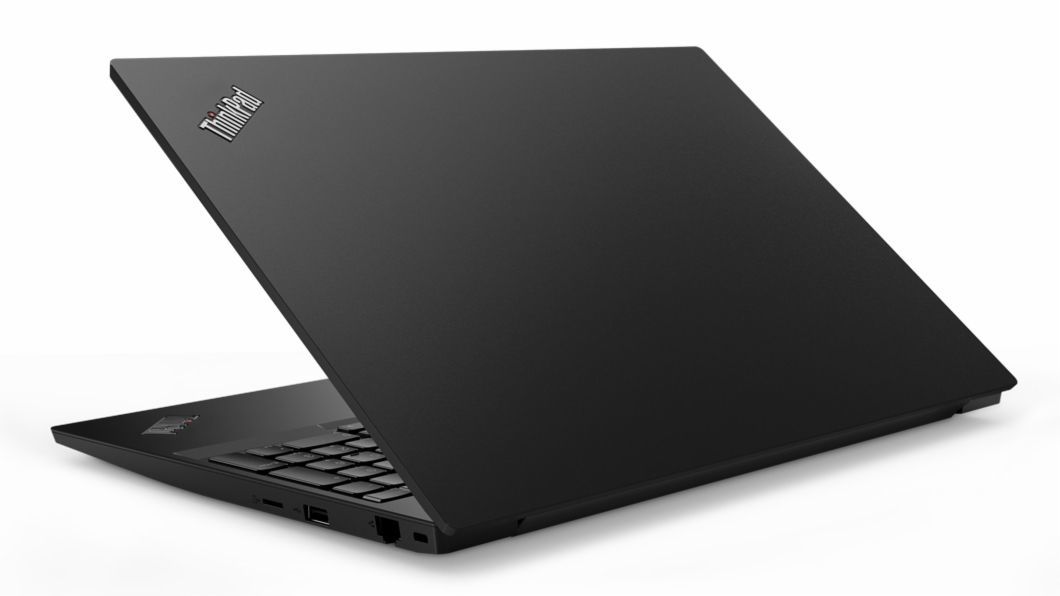
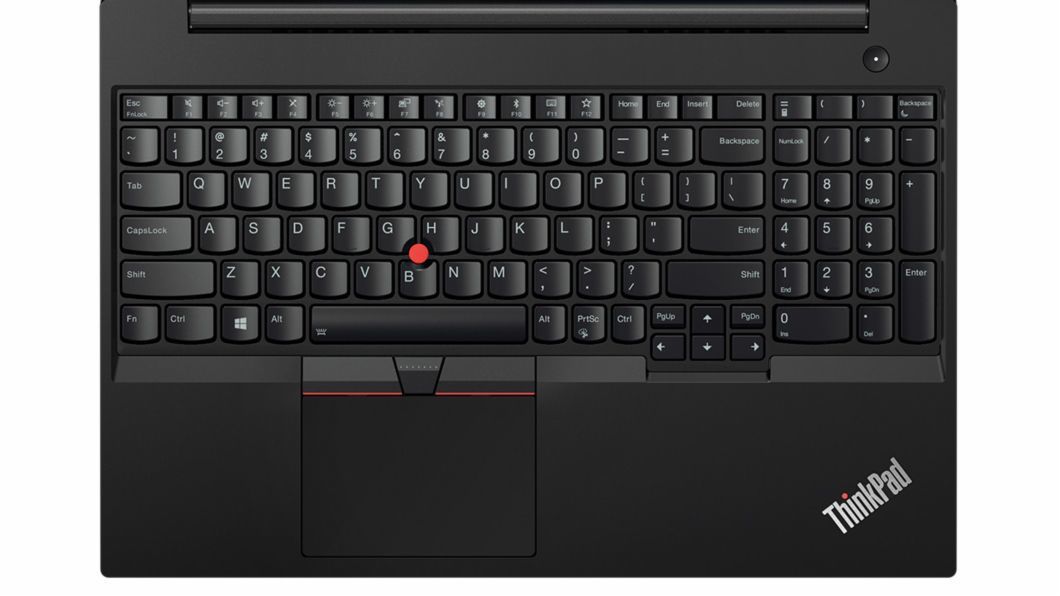
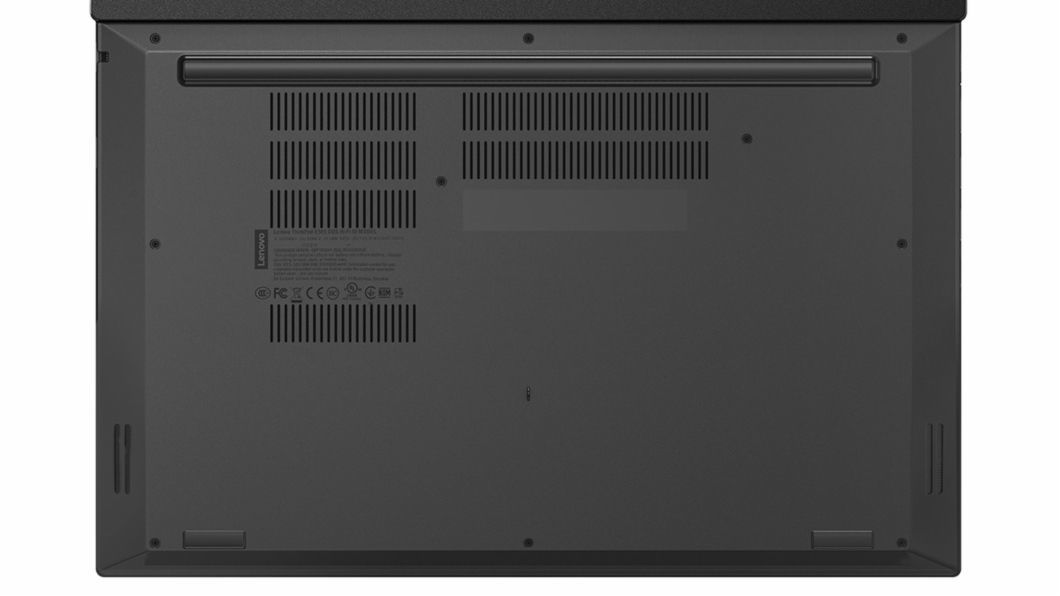
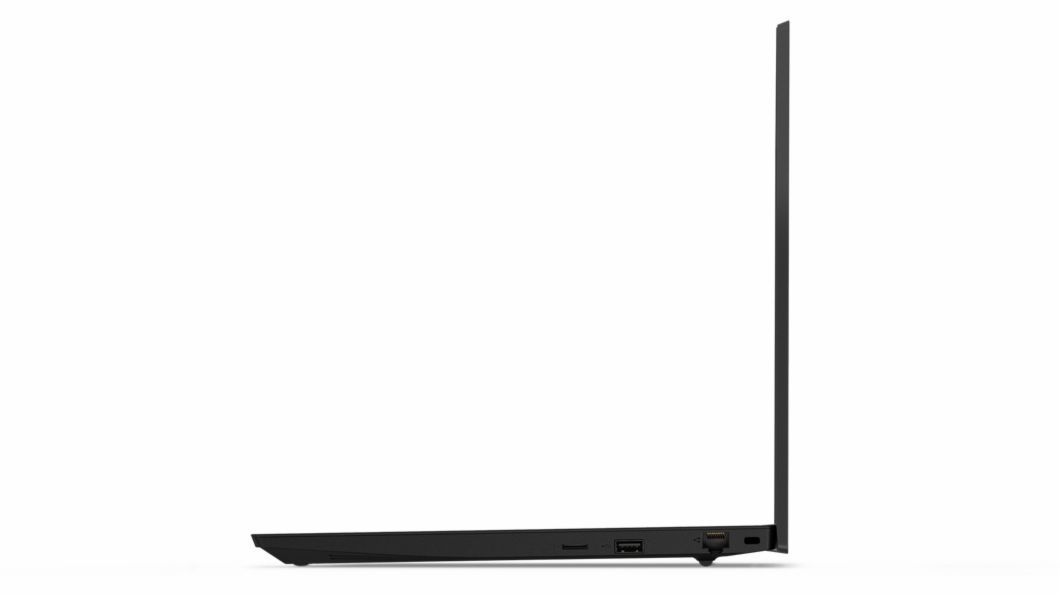
The Lenovo ThinkPad E585 supports DDR4-SDRAM memory upgrades through two SO-DIMM slots. The maximum memory capacity for the E585 reaches 32 GB, with compatible modules operating at 2400 MHz frequency. The SO-DIMM form factor specifications define the upgrade specifications for the E585 laptop model. Memory upgrade options are compatible with the Lenovo ThinkPad E series configuration.
Memory Upgrade Specifications
| Specification | Value |
|---|---|
| Memory slots | 2x SO-DIMM |
| Form factor | SO-DIMM |
| Memory type | DDR4-SDRAM |
| Frequency | 2400 MHz |
| Maximum RAM | 32 GB |
| Voltage | 1.2V |
| Number of pins | 260-pin |
| Interface | PC4 |
| PC Speed Rating | PC4-2400 (PC4-19200) |
| Bandwidth | 19.2 GB/s |
| Laptop Release date | 22 June 2018 |
Additional Notes
- The 32 GB maximum capacity requires 2 modules of 16 GB each, as the system provides exactly 2 physical slots.
- DDR4-2400 represents a transfer rate of 19200 MB/s per module, lower than DDR4-2666 or DDR4-3200 standards available in newer systems.
- Modules rated above 2400 MHz will downclock to match the supported frequency, wasting their higher speed capability.
- SO-DIMM form factor indicates a laptop-grade installation requiring access to the bottom panel or keyboard assembly rather than side-access slots.
- Dual-channel operation requires matched pair installation, meaning single-module upgrades sacrifice approximately 30-40% memory bandwidth versus symmetric configurations.
- Non-ECC unbuffered modules are mandatory, as DDR4-SDRAM specification excludes server-grade registered or error-correcting memory.
- The 2400 MHz specification operates at 1.2V standard voltage, incompatible with low-voltage DDR4L variants without potential stability issues.
- Mixing modules with different CAS latencies forces the system to adopt the slower timing profile across both channels.
- ThinkPad warranty typically remains intact during user-performed memory upgrades, unlike storage or wireless card replacements which may void coverage depending on region.
- Single-rank versus dual-rank module architecture affects neither compatibility nor maximum capacity but may influence stability at 32 GB total density.