LENOVO ThinkPad E590 RAM upgrade specifications
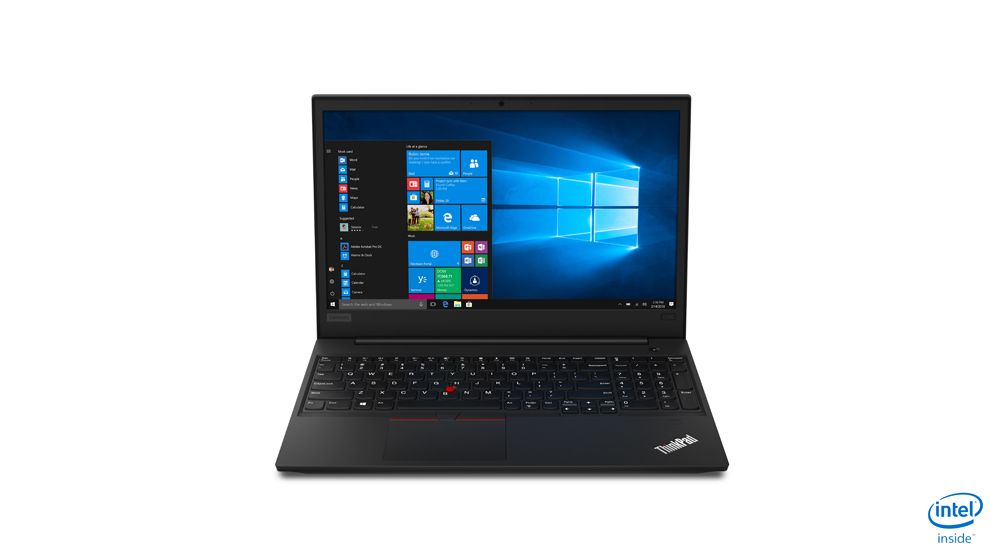
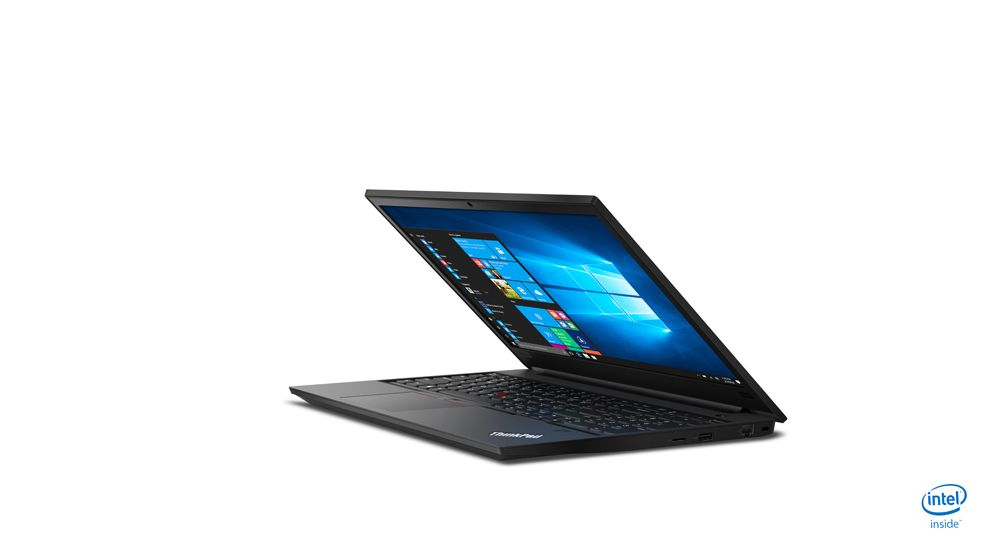
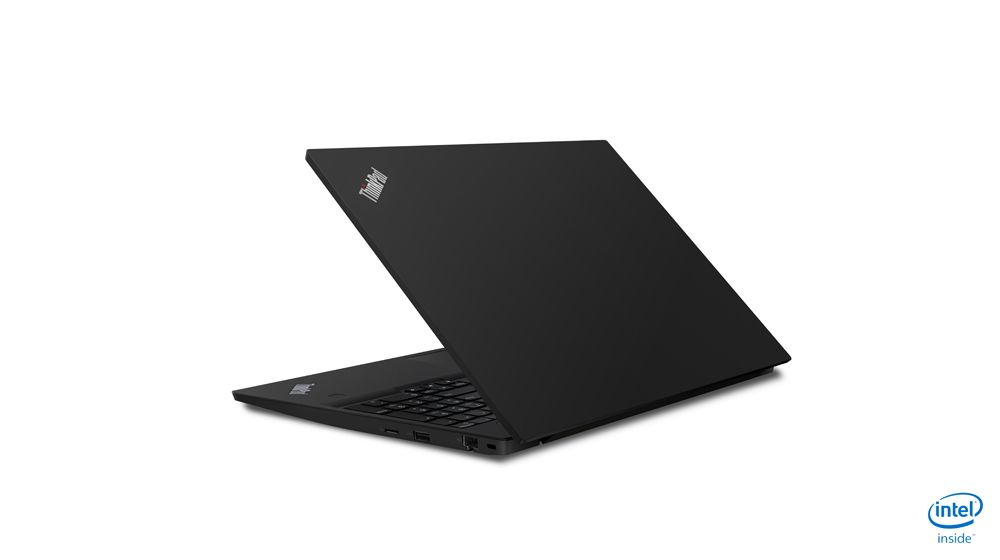
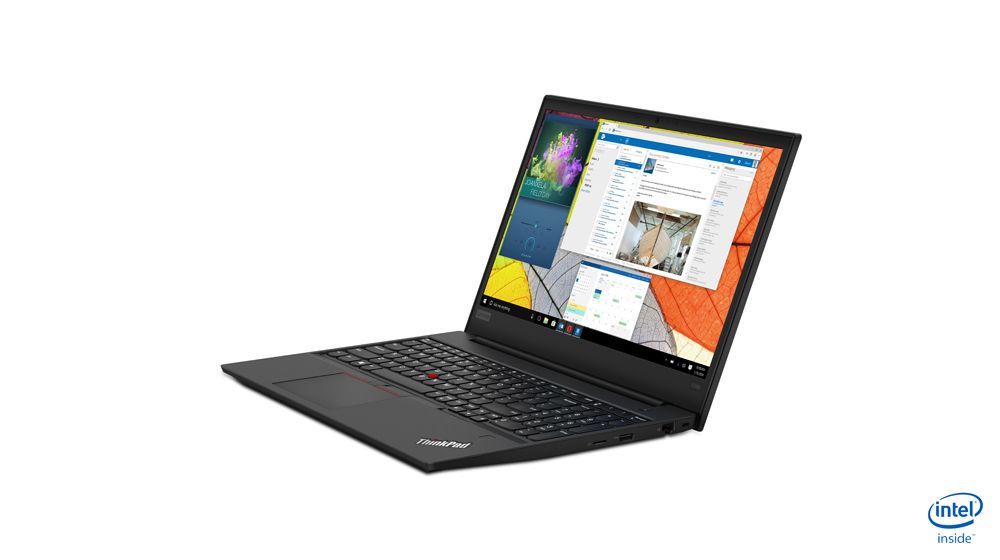
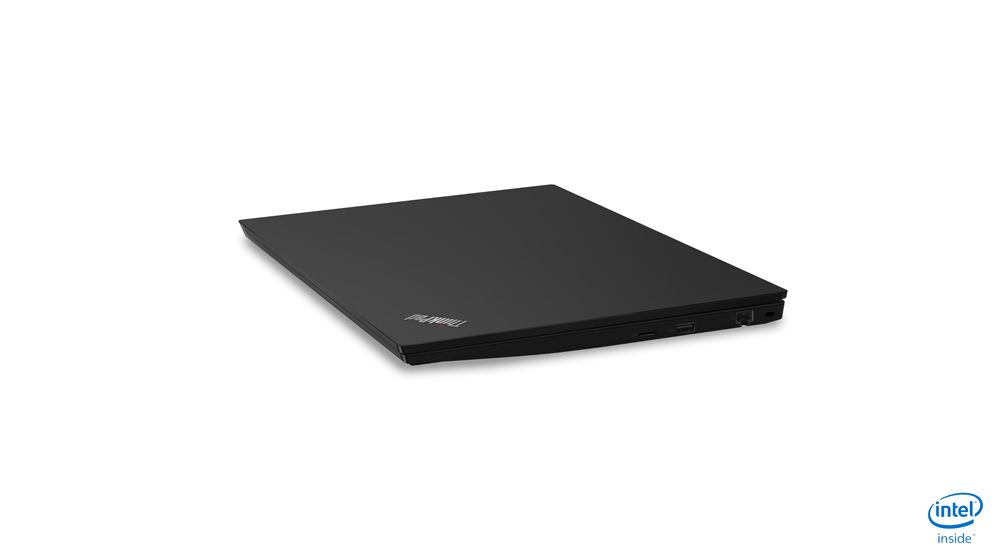
Lenovo ThinkPad E590 supports DDR4-SDRAM memory upgrades via two SO-DIMM slots. Maximum RAM capacity reaches 32 GB, with memory operating at 2400 MHz frequency. Compatible upgrades utilize SO-DIMM form factor specifications. Existing memory configurations on E590 models can be expanded to specifications supporting 16 GB per slot for maximum capacity allocation.
Memory Upgrade Specifications
| Specification | Value |
|---|---|
| Memory slots | 2x SO-DIMM |
| Form factor | SO-DIMM |
| Memory type | DDR4-SDRAM |
| Frequency | 2400 MHz |
| Maximum RAM | 32 GB |
| Voltage | 1.2V |
| Number of pins | 260-pin |
| Interface | PC4 |
| PC Speed Rating | PC4-2400 (PC4-19200) |
| Bandwidth | 19.2 GB/s |
| Laptop Release date | 08 January 2019 |
Additional Notes
- The 2x SO-DIMM configuration permits asymmetrical upgrades, allowing replacement of a single module without removing existing memory, though dual-channel performance requires matched pair capacity.
- DDR4-2400 MHz represents an older standard; replacement modules at higher frequencies (DDR4-2666 or DDR4-3200) will downclock to 2400 MHz, eliminating any bandwidth advantage from newer stock.
- The 32 GB maximum capacity ceiling means dual 16 GB SO-DIMMs represent the practical upgrade limit; no headroom exists beyond this configuration.
- SO-DIMM modules occupy confined space in the chassis; thermal management around the memory slots may restrict heatspreader height on replacement modules, though standard SO-DIMM heatspreaders typically pose no clearance issues in this chassis.
- Lenovo's memory specification lock to DDR4-2400 suggests the memory controller lacks native support for higher frequencies; forcing faster modules into 2400 MHz operation may introduce timing instability if modules lack proper SPD profile support for this speed.
- Single-channel operation (one populated slot) reduces memory bandwidth by approximately 50% compared to dual-channel pairing; performance-sensitive workloads may experience latency penalties in asymmetrical configurations.
- The SO-DIMM form factor restricts sourcing to laptop-grade memory; desktop DDR4 modules are physically incompatible and cannot serve as alternatives despite identical electrical specifications.