LENOVO ThinkPad L14 Gen 3 (Intel) RAM upgrade specifications
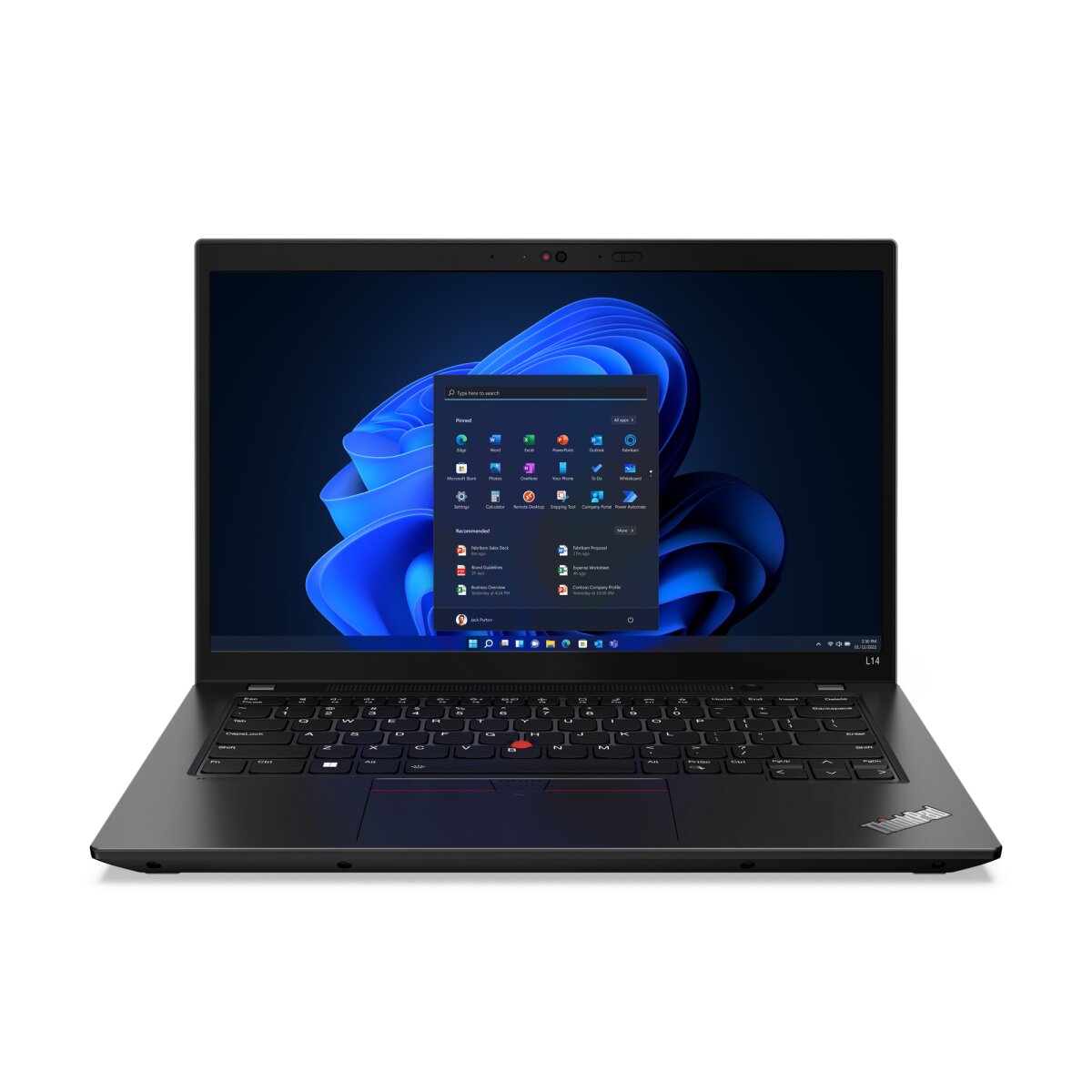
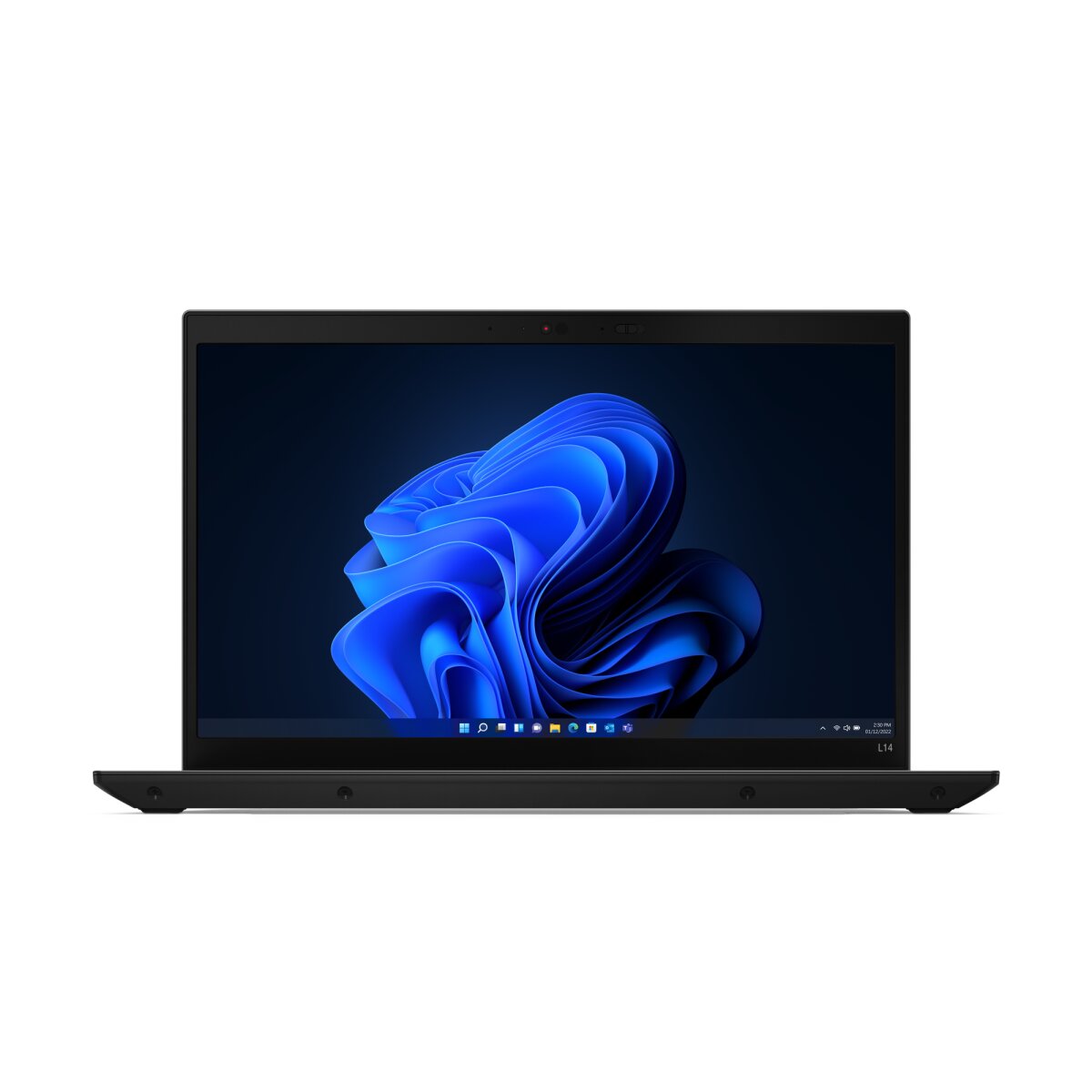
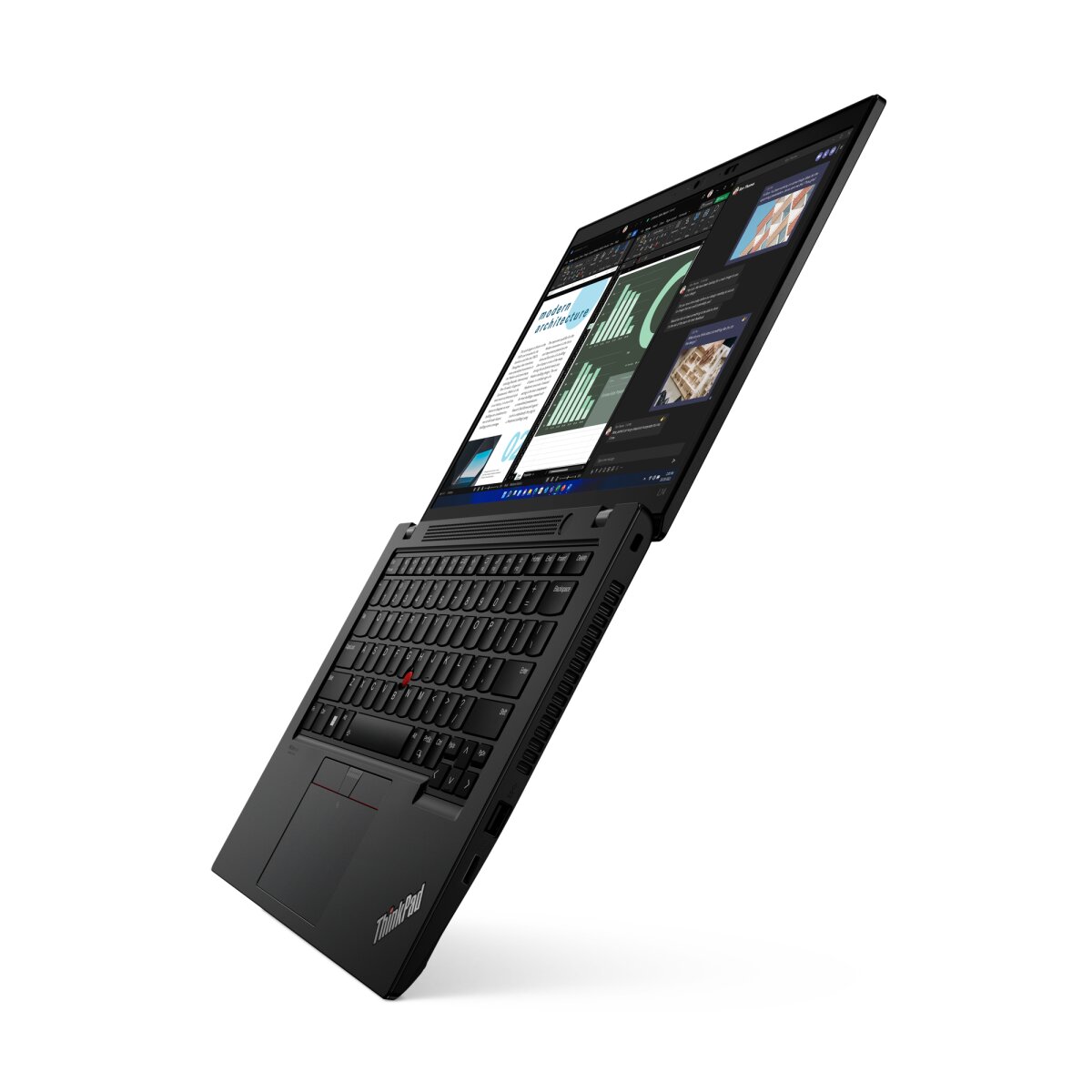
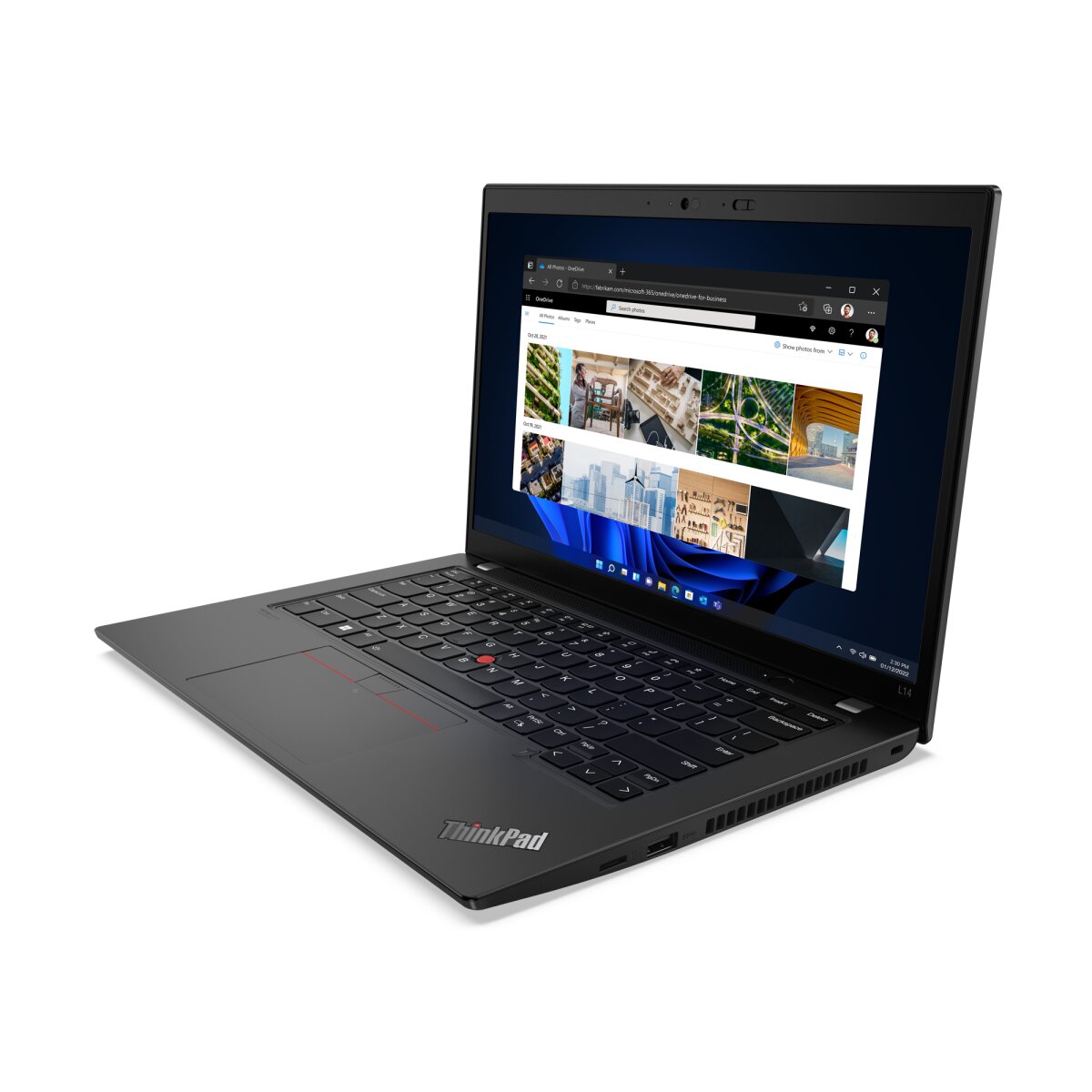
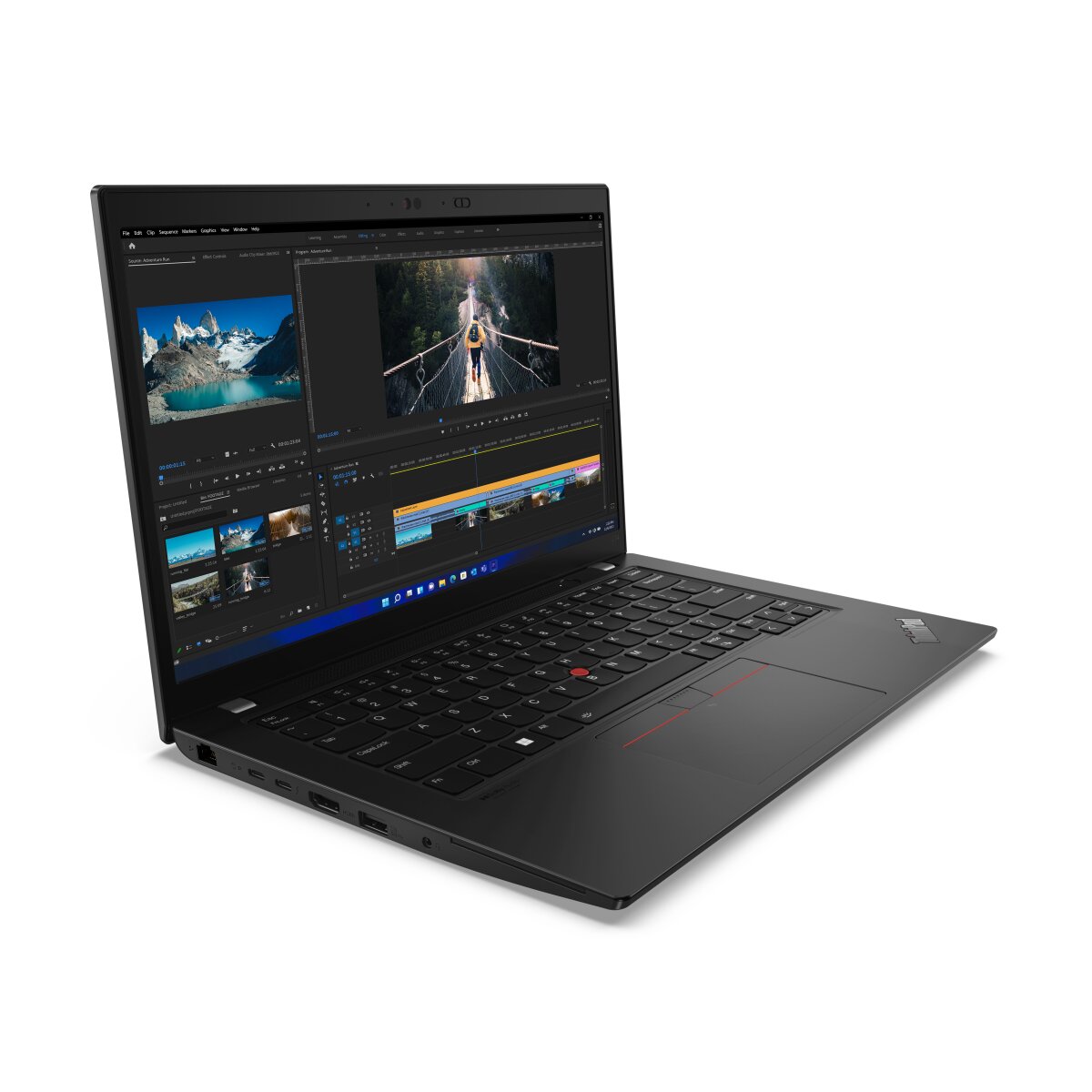
The Lenovo ThinkPad L14 Gen 3 (Intel) supports DDR4-SDRAM memory upgrades with two SO-DIMM slots. Maximum RAM capacity reaches 64 GB, operating at 3200 MHz frequency. Compatible memory modules must match DDR4-SDRAM specifications and SO-DIMM form factor for proper functionality. Upgrade options allow users to expand memory from factory configurations up to the maximum supported capacity by installing compatible memory modules in available slots.
Memory Upgrade Specifications
| Specification | Value |
|---|---|
| Memory slots | 2x SO-DIMM |
| Form factor | SO-DIMM |
| Memory type | DDR4-SDRAM |
| Frequency | 3200 MHz |
| Maximum RAM | 64 GB |
| Voltage | 1.2V |
| Number of pins | 260-pin |
| Interface | PC4 |
| PC Speed Rating | PC4-3200 (PC4-25600) |
| Bandwidth | 25.6 GB/s |
Additional Notes
- The Lenovo ThinkPad L14 Gen 3 (Intel) contains 2 SO-DIMM slots, meaning both memory modules must be replaced simultaneously to achieve the 64 GB maximum capacity, as there are no free slots for additive upgrades.
- DDR4-3200 memory operates at a fixed frequency; installing higher-speed DDR4 modules will downclock to 3200 MHz, creating no performance benefit from premium-tier memory while increasing acquisition cost.
- SO-DIMM modules require full system shutdown and battery removal to access the memory compartment safely; hot-swapping is not possible on this form factor.
- Upgrading from factory-installed memory to 64 GB requires sourcing matching DDR4-3200 SO-DIMM pairs; mismatched speeds or capacities will force both slots to operate at the lower specification, reducing effective capacity.
- The 2-slot architecture constrains future expansion; upgrading beyond 64 GB is not feasible without replacing both existing modules, unlike 4-slot systems that offer incremental upgrade paths.
- SO-DIMM compatibility with this DDR4-3200 specification is broad across consumer and enterprise vendors, but JEDEC DDR4 standard compliance must be verified to avoid POST failures or memory errors.
- Warranty retention for RAM upgrades typically requires using unbuffered, non-ECC DDR4 modules; ECC or registered variants may cause system instability despite physical compatibility with the SO-DIMM slot.