LENOVO ThinkPad L15 Gen 1 (AMD) RAM upgrade specifications
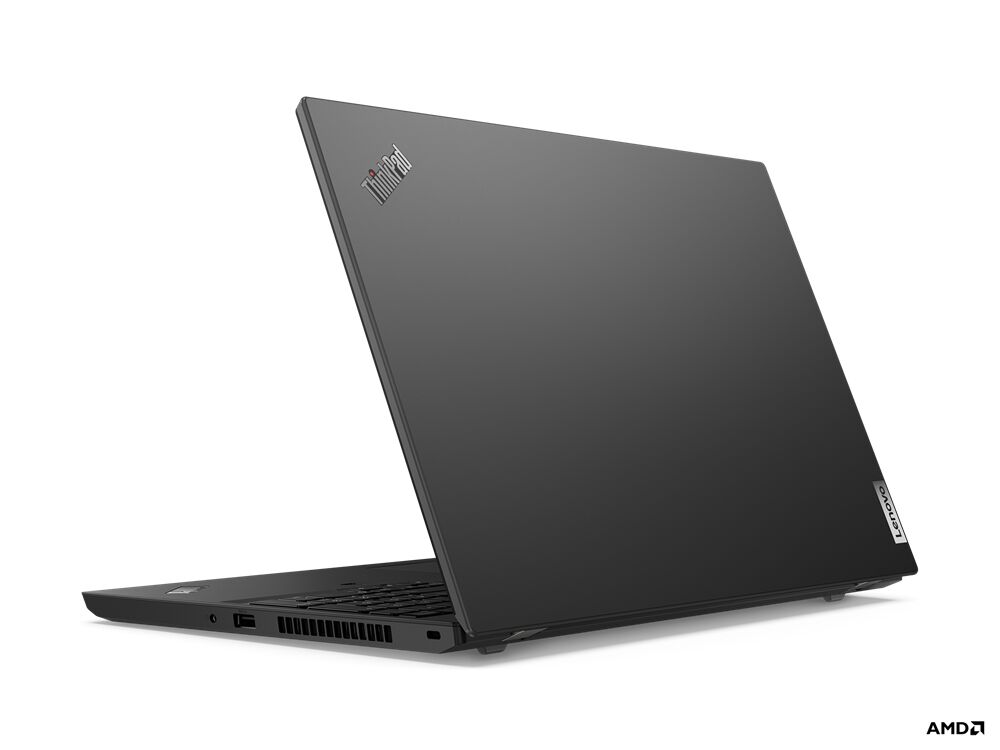
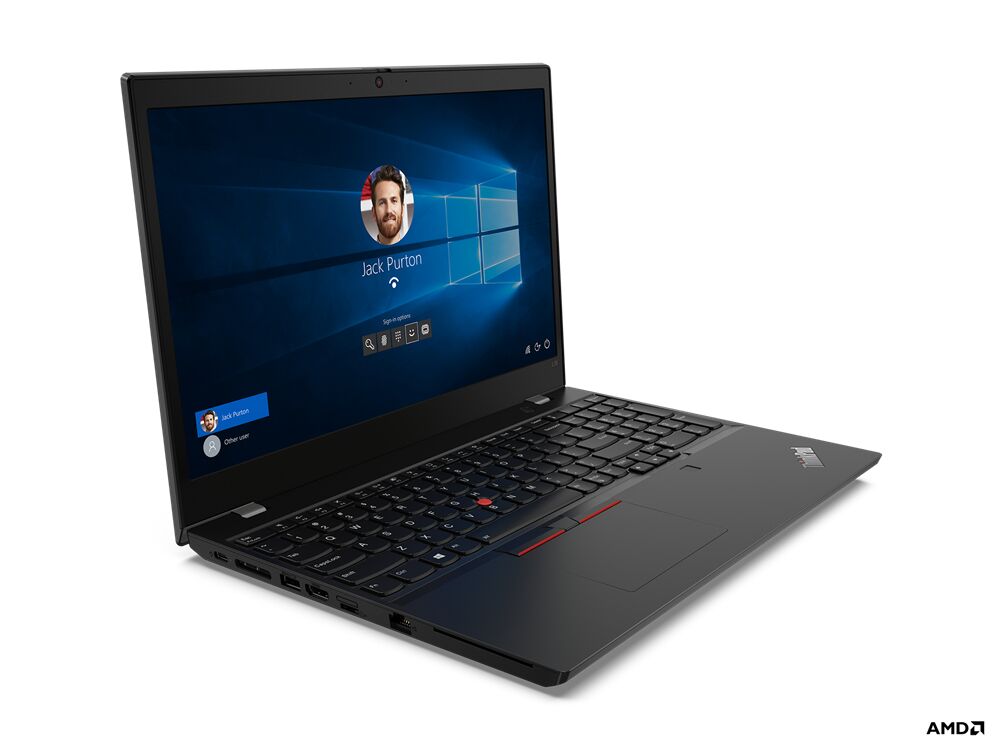
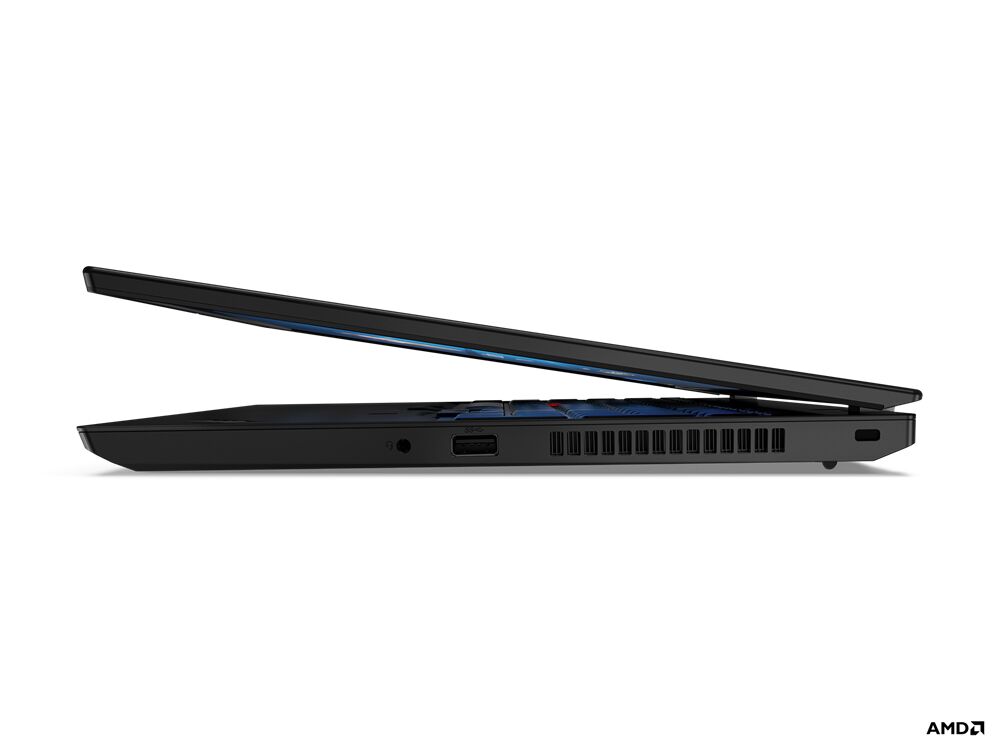

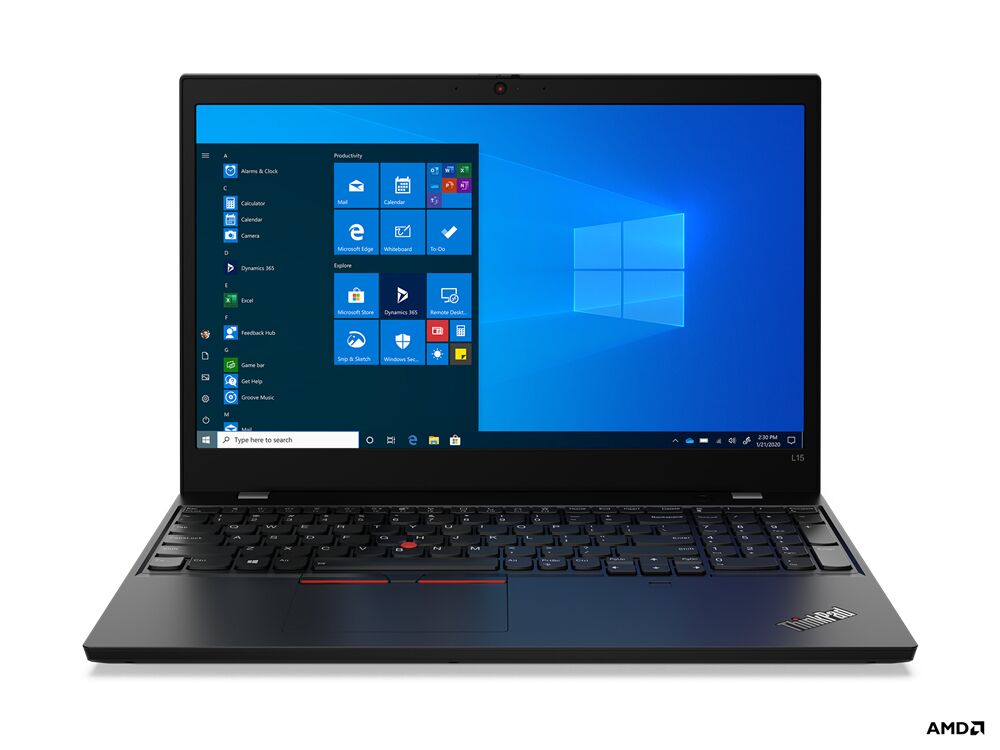
The Lenovo ThinkPad L15 Gen 1 (AMD) laptop features DDR4-SDRAM memory upgradeable through two SO-DIMM slots. Maximum supported capacity reaches 64 GB when fully populated. Compatible memory modules operate at 3200 MHz frequency. Specifications enable RAM upgrades from base configurations to enhanced capacity for improved multitasking performance and application responsiveness.
Memory Upgrade Specifications
| Specification | Value |
|---|---|
| Memory slots | 2x SO-DIMM |
| Form factor | SO-DIMM |
| Memory type | DDR4-SDRAM |
| Frequency | 3200 MHz |
| Maximum RAM | 64 GB |
| Voltage | 1.2V |
| Number of pins | 260-pin |
| Interface | PC4 |
| PC Speed Rating | PC4-3200 (PC4-25600) |
| Bandwidth | 25.6 GB/s |
| Laptop Release date | 13 January 2022 |
Additional Notes
- The 2 SO-DIMM architecture in the Lenovo ThinkPad L15 Gen 1 (AMD) permits dual-channel memory configuration, doubling theoretical bandwidth from 25.6 GB/s in single-channel to 51.2 GB/s when matched modules occupy both slots.
- DDR4-3200 represents the maximum JEDEC-supported speed for Ryzen 4000 mobile processors, eliminating compatibility concerns with faster DDR4-3600 modules that would downclock to the system's 3200 MHz limit.
- The 64 GB maximum capacity indicates support for 32 GB SO-DIMM modules despite their higher cost per gigabyte compared to 16 GB density modules at equivalent speeds.
- Installing non-matching module capacities triggers asymmetric dual-channel mode where only the overlapping capacity portion operates in dual-channel, with excess capacity reverting to slower single-channel operation.
- DDR4 SO-DIMM modules require 260-pin configuration, incompatible with older DDR3L 204-pin SO-DIMM modules from previous generation laptops.
- Operating voltage for DDR4-3200 runs at 1.2V standard, reducing thermal output by 20% compared to DDR3L's 1.35V requirement and extending battery runtime during memory-intensive tasks.
- CAS latency specifications absent from base requirements necessitate verification of CL22 compatibility, as tighter CL19 or CL20 timings may require manual BIOS adjustment unavailable in some OEM firmware implementations.
- Accessing SO-DIMM slots typically requires complete bottom panel removal rather than dedicated access door, complicating field upgrades and potentially voiding warranty seals depending on regional service policies.
- AMD Ryzen mobile platform memory controllers support ECC SO-DIMM modules at hardware level, though BIOS enablement remains manufacturer-dependent and typically disabled in consumer ThinkPad configurations.
- Mismatched module speeds between slots force all memory to operate at the slower module's frequency, negating performance benefits of installing faster RAM alongside existing slower modules.