LENOVO ThinkPad L15 Gen 2 (15" Intel) RAM upgrade specifications
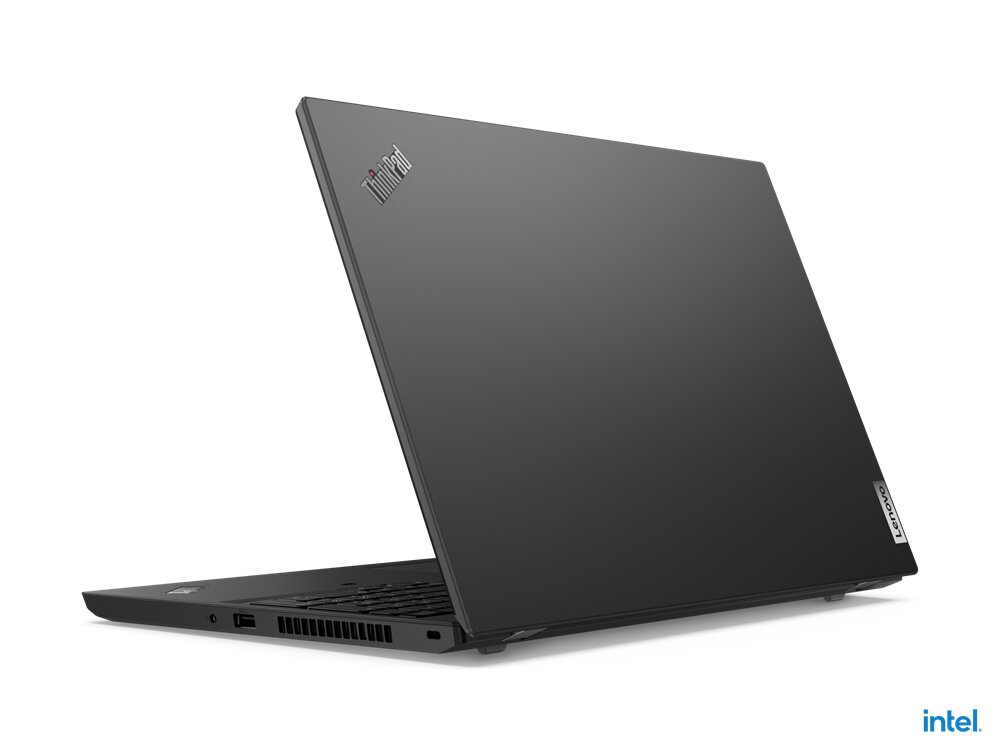
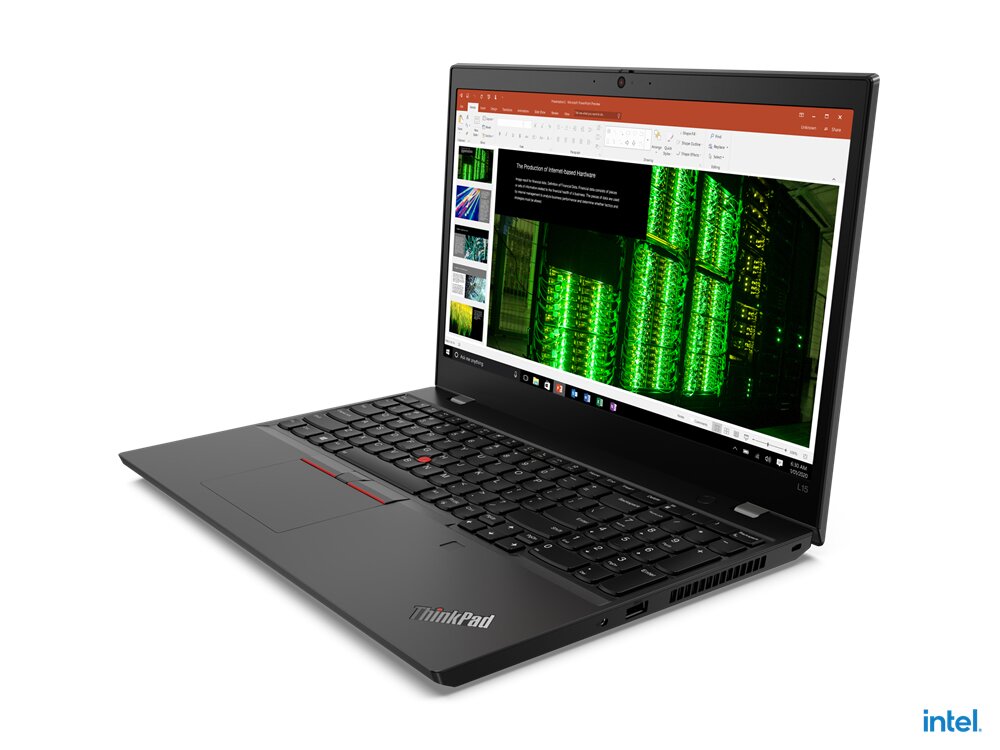
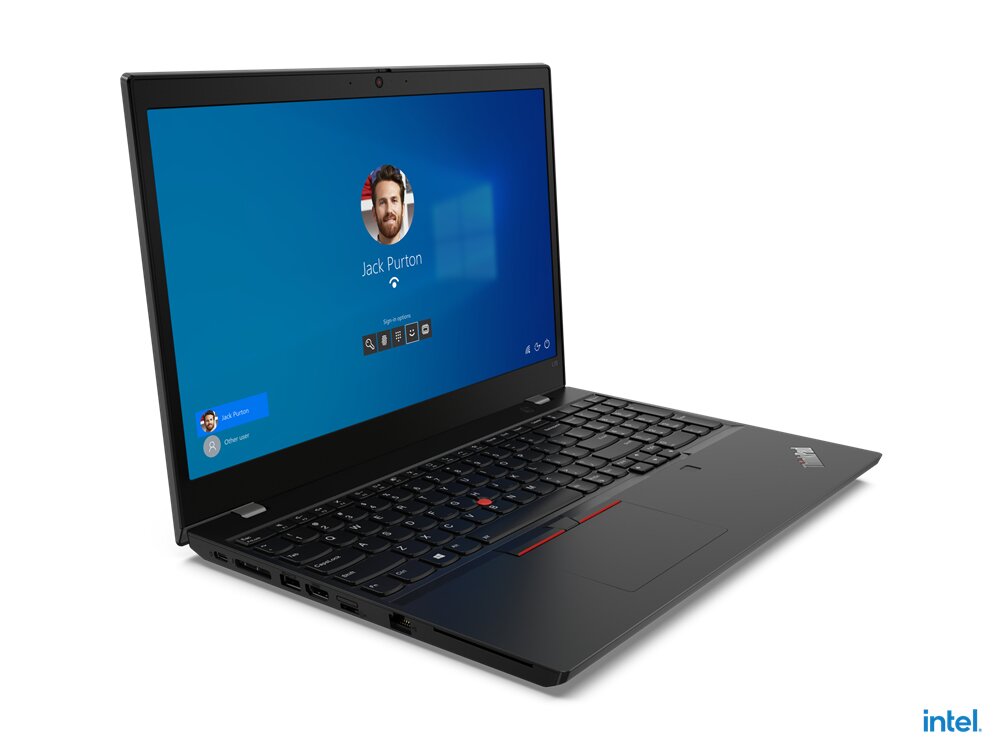
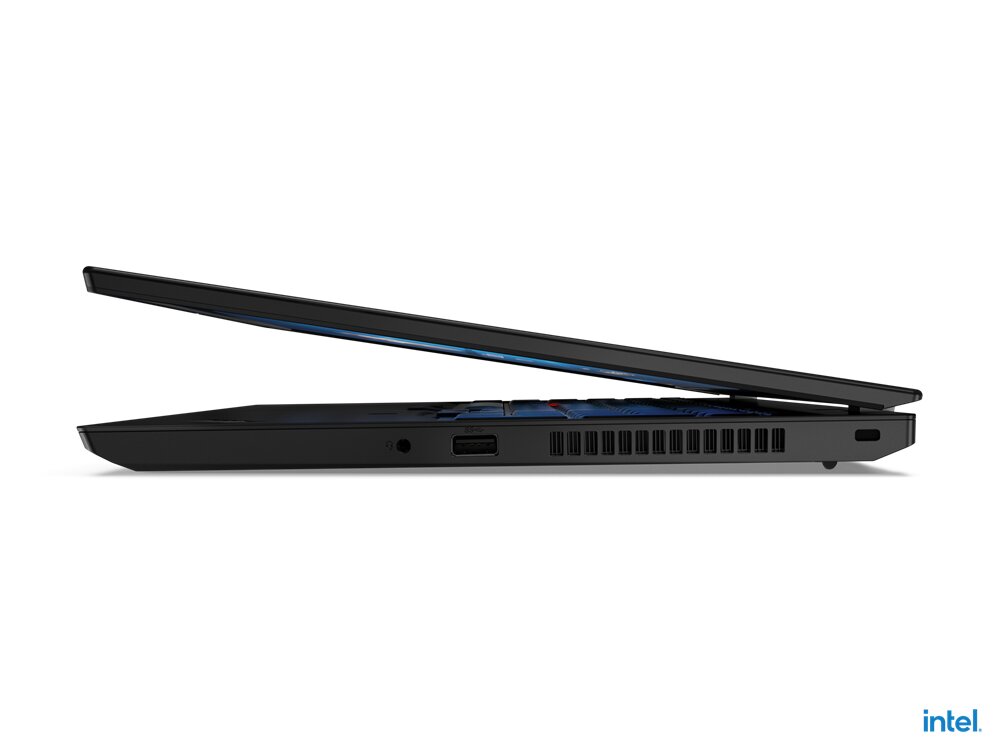
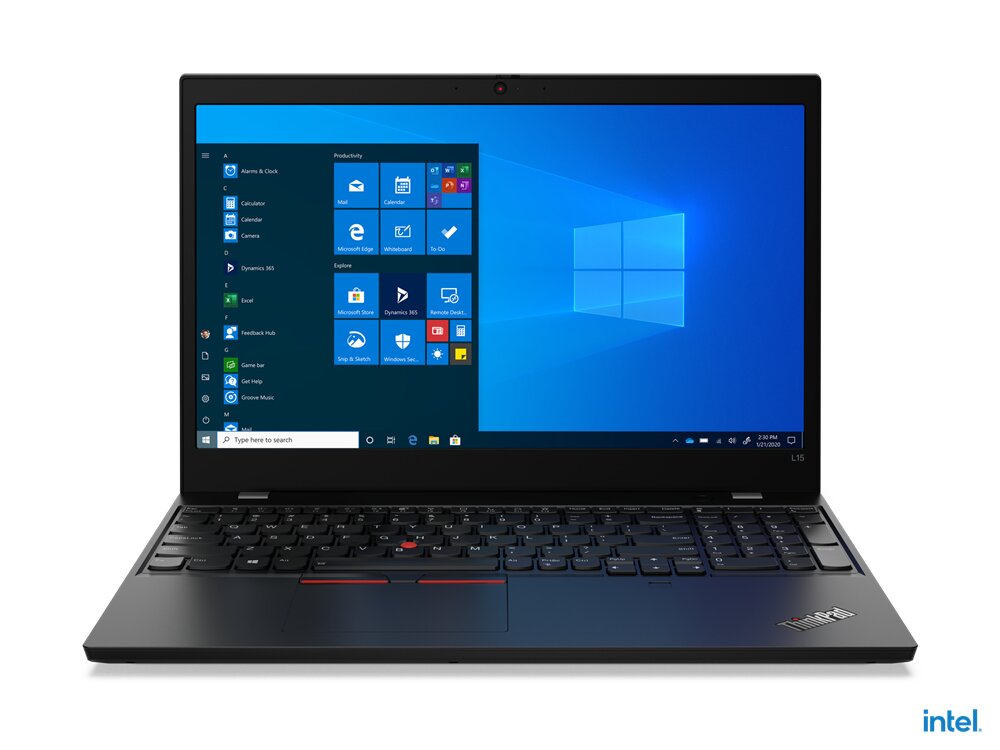
The Lenovo ThinkPad L15 Gen 2 (15" Intel) features two SO-DIMM slots for memory expansion. Specifications support DDR4-SDRAM modules operating at 3200 MHz frequency. The laptop accommodates a maximum RAM capacity of 64 GB total. Compatible memory upgrades utilize the SO-DIMM form factor. Upgrade options enable users to expand the laptop's memory configuration from its factory specifications, with each slot supporting up to 32 GB modules.
Memory Upgrade Specifications
| Specification | Value |
|---|---|
| Memory slots | 2x SO-DIMM |
| Form factor | SO-DIMM |
| Memory type | DDR4-SDRAM |
| Frequency | 3200 MHz |
| Maximum RAM | 64 GB |
| Voltage | 1.2V |
| Number of pins | 260-pin |
| Interface | PC4 |
| PC Speed Rating | PC4-3200 (PC4-25600) |
| Bandwidth | 25.6 GB/s |
| Laptop Release date | 28 March 2022 |
Additional Notes
- The 3200 MHz frequency specification indicates support for PC4-25600 modules, which deliver 25.6 GB/s theoretical bandwidth per channel in dual-channel configuration.
- The 2x SO-DIMM architecture enables dual-channel memory operation when both slots contain matched modules, effectively doubling memory bandwidth compared to single-channel configurations.
- The 64 GB maximum capacity constraint limits configurations to either 2x32 GB modules or asymmetric pairings, though asymmetric configurations may sacrifice dual-channel benefits.
- DDR4-3200 modules rated at higher frequencies will operate at 3200 MHz due to the system's memory controller limitations, with no performance penalty for using higher-rated modules.
- The Intel platform in this ThinkPad L15 Gen 2 configuration requires DDR4 SO-DIMM modules with 260-pin connectors, distinct from desktop DIMM form factors.
- Memory upgrades beyond factory configuration typically remain within warranty coverage when using JEDEC-standard modules, though non-standard overclocked modules may void certain protections.
- Both memory slots are user-accessible beneath the bottom panel, eliminating the need for soldered memory removal that would require board-level service.
- Mixing modules with different speeds will force all installed memory to operate at the lowest common frequency, potentially reducing performance if mismatched.
- The absence of ECC memory support in consumer DDR4-SDRAM configurations means error correction relies on controller-level mechanisms rather than module-level parity.
- Power consumption scales with total installed capacity and frequency, with 64 GB at 3200 MHz drawing more power than lower-capacity configurations during active workloads.