LENOVO ThinkPad L15 Gen 2 (Intel) RAM upgrade specifications
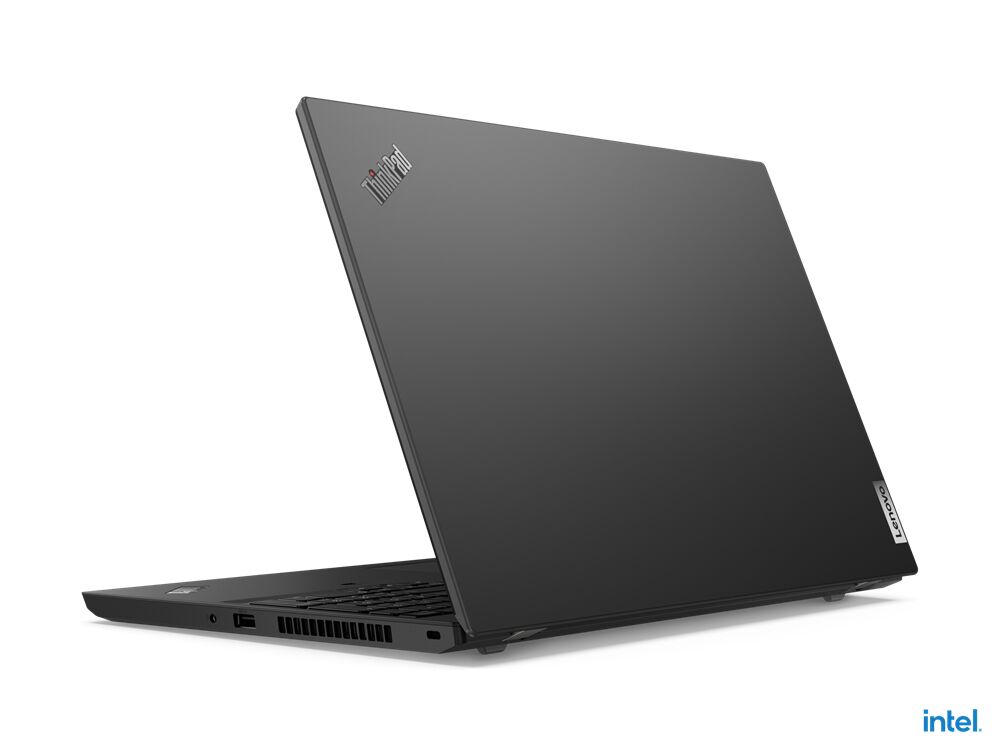
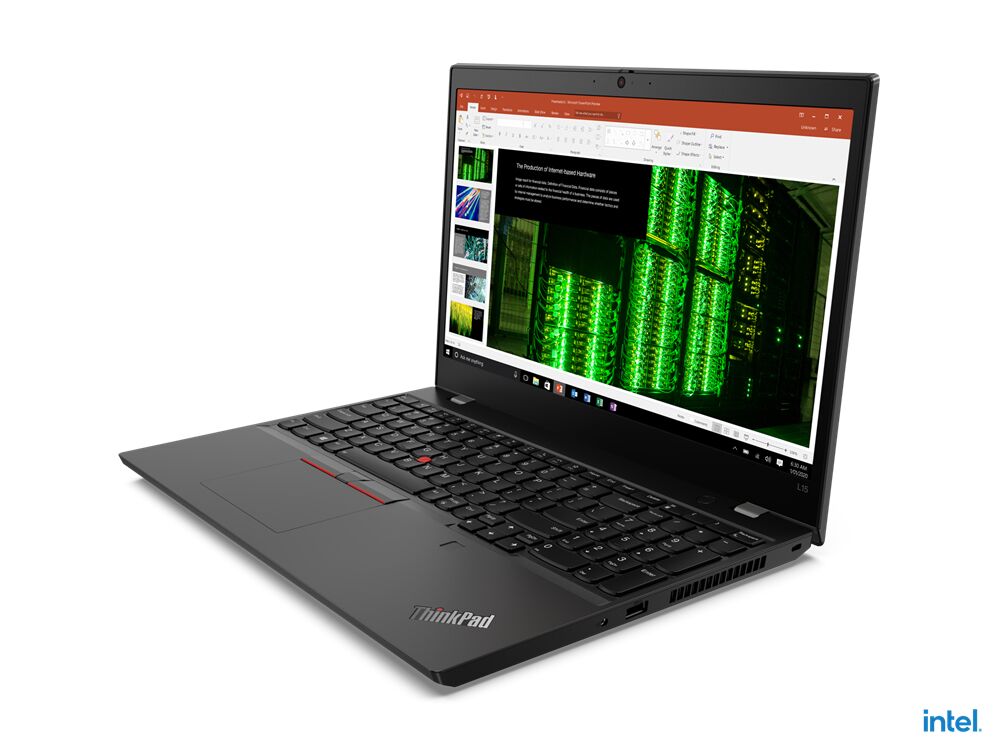
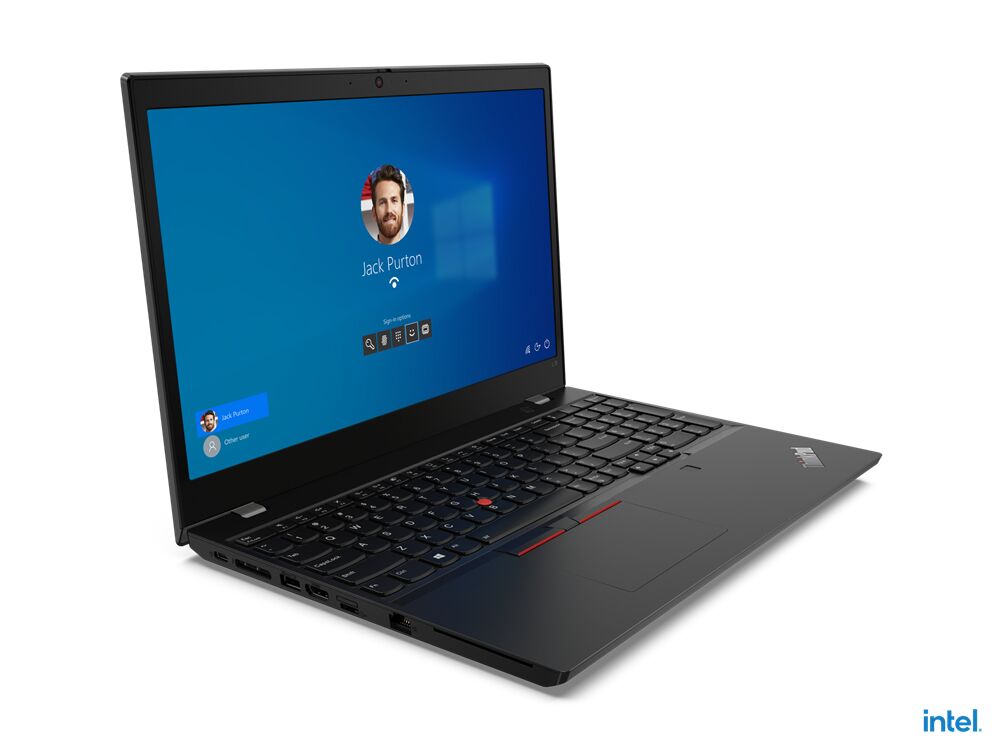
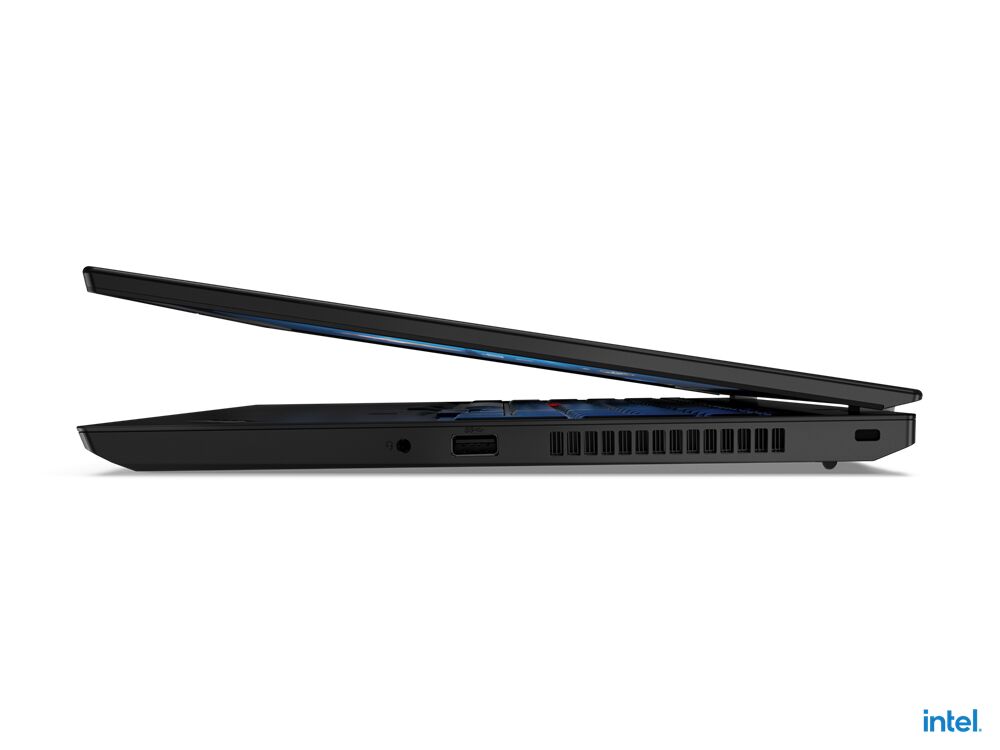
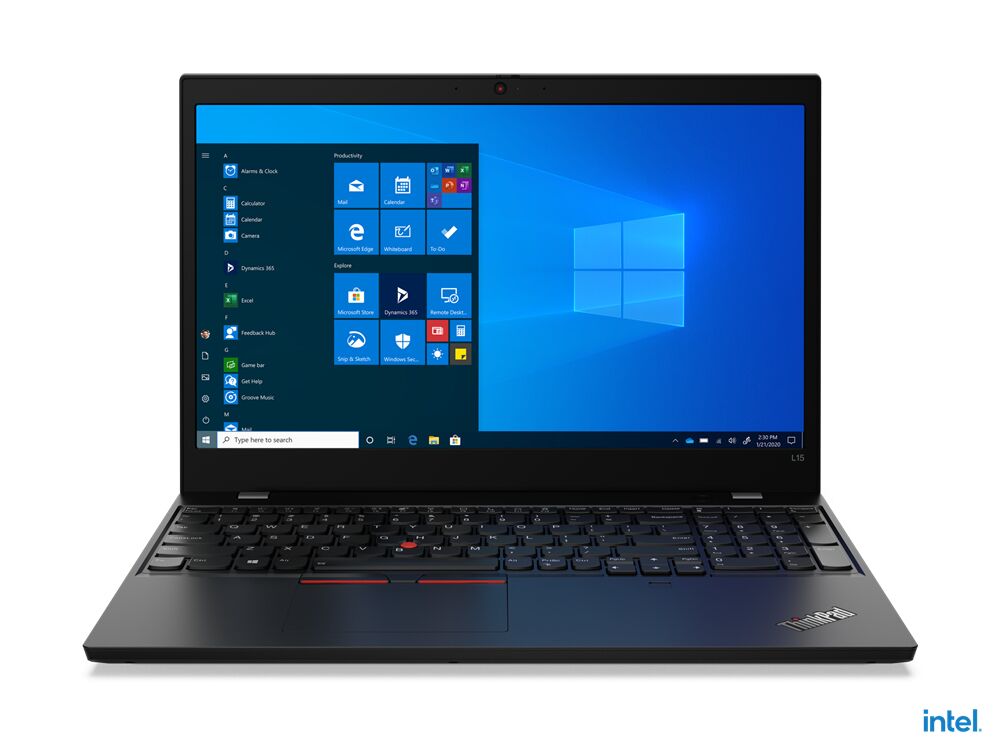
LENOVO ThinkPad L15 Gen 2 (Intel) features DDR4-SDRAM memory upgrade specifications. The laptop contains 2x SO-DIMM slots for RAM expansion. Maximum memory capacity reaches 64 GB, supporting DDR4-3200 MHz modules. Compatible upgrades utilize SO-DIMM form factor memory modules. Specifications enable users to expand memory beyond factory configuration for enhanced multitasking performance.
Memory Upgrade Specifications
| Specification | Value |
|---|---|
| Memory slots | 2x SO-DIMM |
| Form factor | SO-DIMM |
| Memory type | DDR4-SDRAM |
| Frequency | 3200 MHz |
| Maximum RAM | 64 GB |
| Voltage | 1.2V |
| Number of pins | 260-pin |
| Interface | PC4 |
| PC Speed Rating | PC4-3200 (PC4-25600) |
| Bandwidth | 25.6 GB/s |
| Laptop Release date | 22 January 2022 |
Additional Notes
- The Lenovo ThinkPad L15 Gen 2 (Intel) contains 2 accessible memory slots, permitting simultaneous replacement of both modules or staged upgrades without system disassembly complications.
- DDR4-3200 MHz specification establishes a hard ceiling on compatible module speeds; faster DDR4 variants will downclock to 3200 MHz, resulting in zero performance benefit from premium-tier memory purchases.
- The 64 GB maximum capacity ceiling creates a single-upgrade-path limitation; users cannot transition through intermediate capacities and retain original modules, as pairing disparate generations of DDR4 introduces compatibility risks and performance asymmetry.
- SO-DIMM form factor restricts sourcing to laptop-specific modules; desktop DDR4 sticks remain physically incompatible due to notch positioning and will not seat in the slots regardless of electrical compatibility.
- Two-slot architecture means maximum per-slot capacity reaches 32 GB; single 64 GB modules do not exist in SO-DIMM form factor, making the 64 GB system limit achievable only through matched 32 GB pairs.
- DDR4 supply chain depletion accelerates as DDR5 adoption progresses; future availability of 3200 MHz SO-DIMM modules may narrow, potentially affecting upgrade feasibility in 18 to 24 months.
- Warranty preservation typically permits memory upgrades without voiding coverage, though installation outside authorized service channels may trigger clause exclusions; third-party installation receipts provide documentation protection.