LENOVO ThinkPad L15 Gen 3 (AMD) RAM upgrade specifications
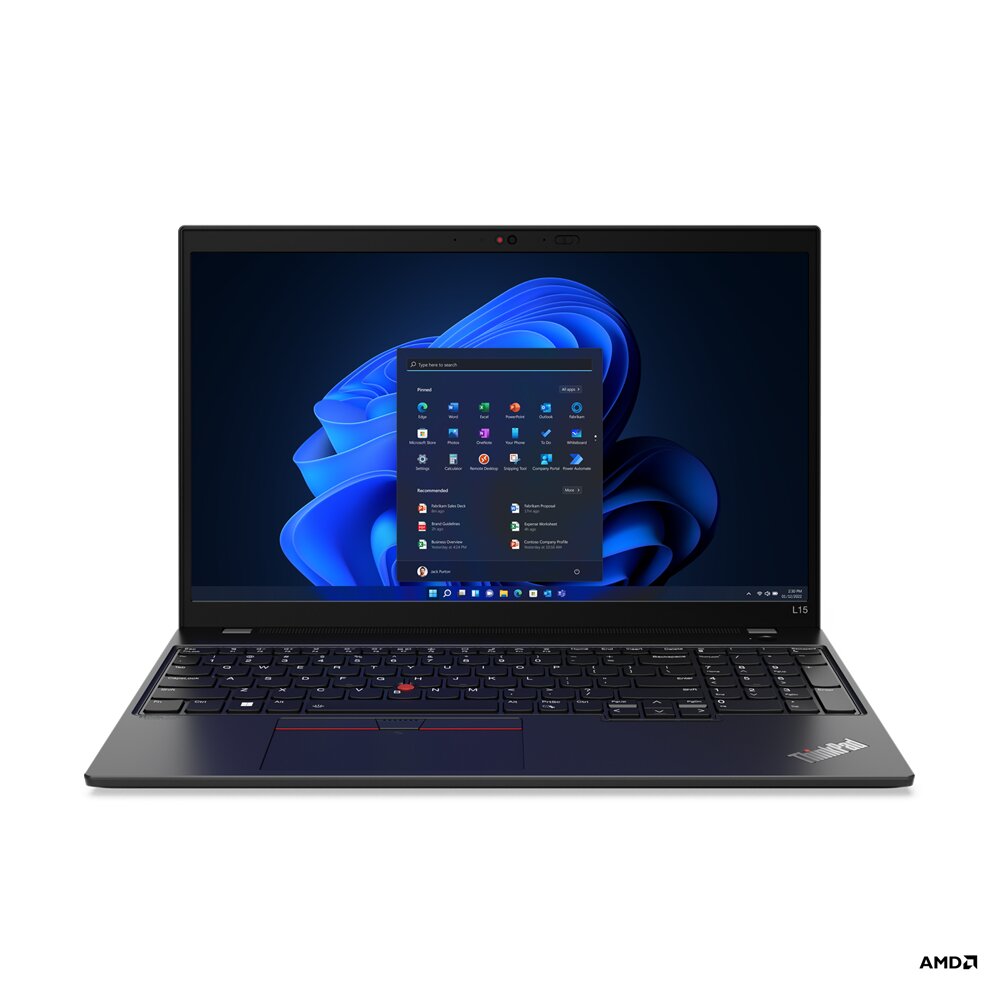
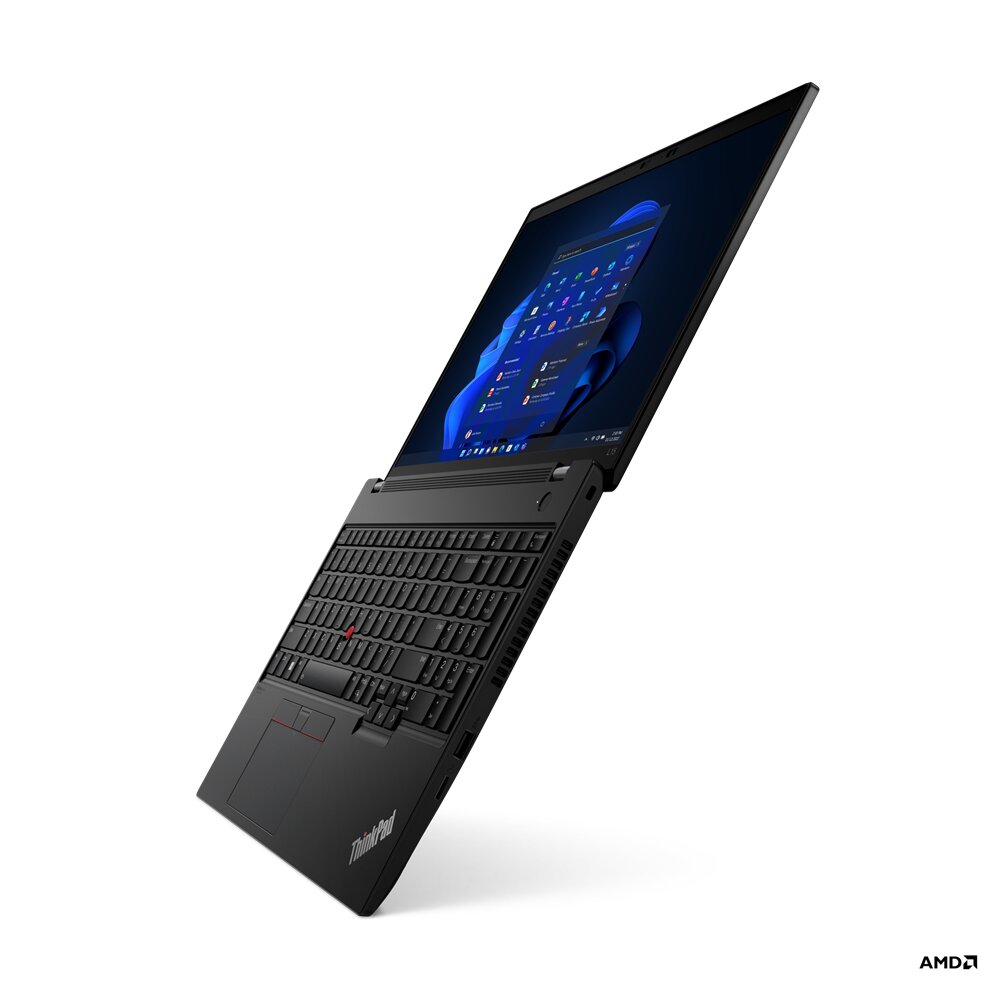
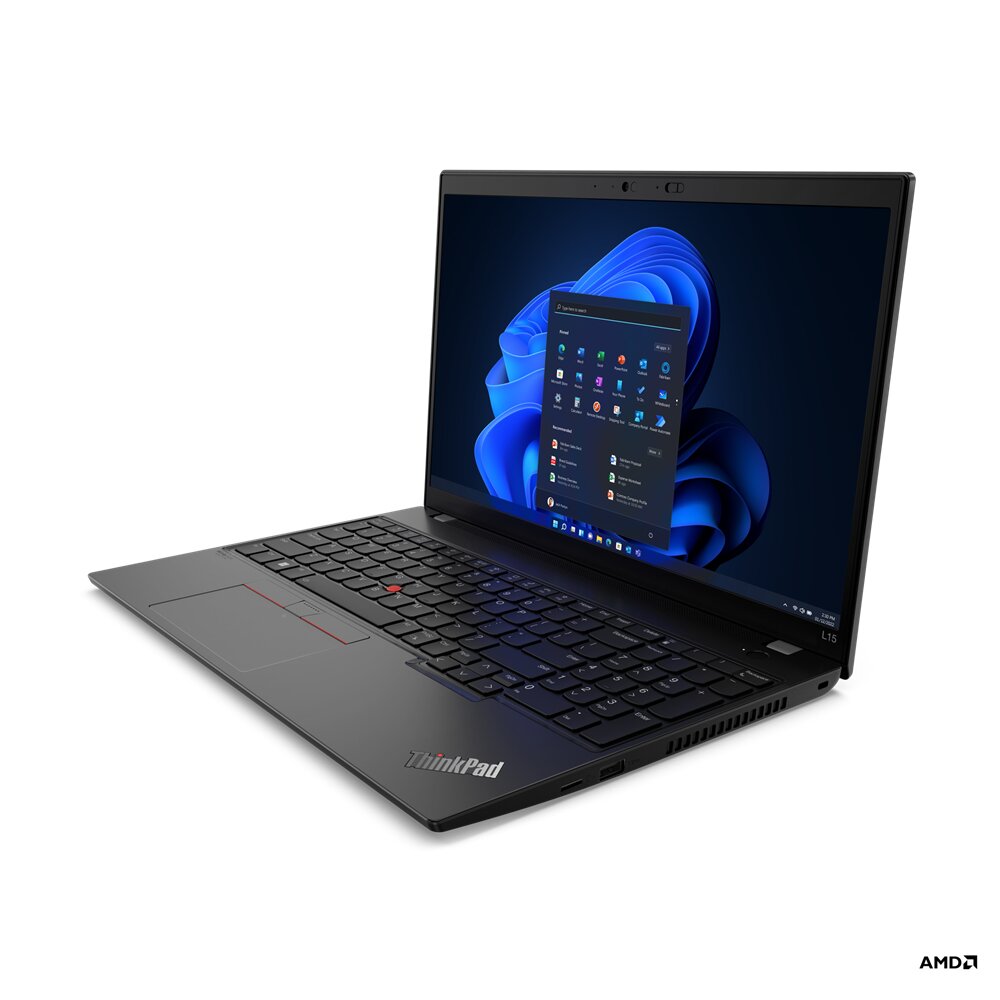
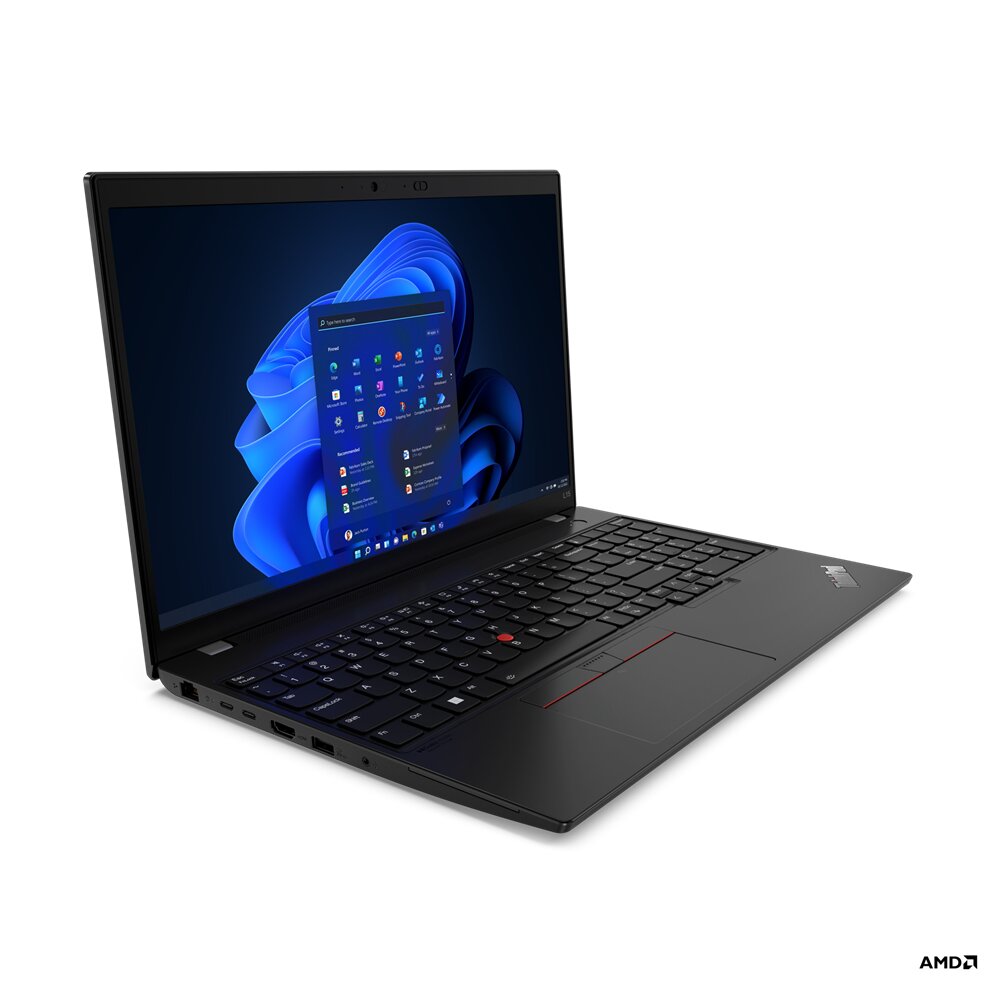
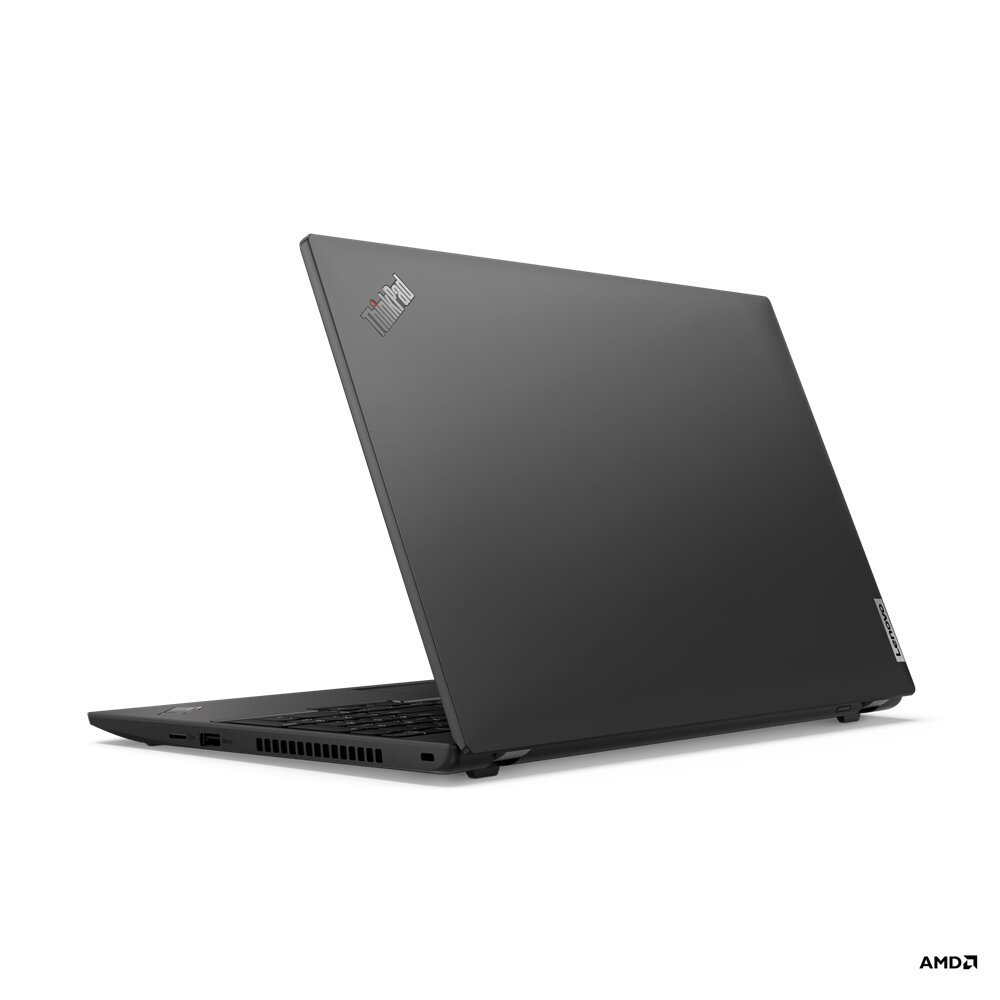
The Lenovo ThinkPad L15 Gen 3 (AMD) features two SO-DIMM slots supporting DDR4-SDRAM memory upgrades at 3200 MHz frequency. The laptop accommodates a maximum RAM capacity of 64 GB total. Memory upgrade specifications include compatibility with DDR4 SO-DIMM modules. The L15 Gen 3 (AMD) supports dual-slot memory configuration, enabling users to expand system RAM according to specifications and requirements for enhanced performance capabilities.
Memory Upgrade Specifications
| Specification | Value |
|---|---|
| Memory slots | 2x SO-DIMM |
| Form factor | SO-DIMM |
| Memory type | DDR4-SDRAM |
| Frequency | 3200 MHz |
| Maximum RAM | 64 GB |
| Voltage | 1.2V |
| Number of pins | 260-pin |
| Interface | PC4 |
| PC Speed Rating | PC4-3200 (PC4-25600) |
| Bandwidth | 25.6 GB/s |
Additional Notes
- The 2 SO-DIMM slots on the ThinkPad L15 Gen 3 (AMD) support symmetric dual-channel configuration, meaning 2x32GB modules will deliver optimal memory bandwidth for Ryzen processors that are sensitive to balanced channel population.
- DDR4-3200 represents the practical ceiling for this platform; higher frequency modules will downclock to 3200 MHz, making premium DDR4-3600 or DDR4-4800 purchases economically inefficient.
- Upgrading to 64GB requires replacing both factory SO-DIMMs simultaneously, as single-slot upgrades will leave one slot populated and one empty, forcing the system to operate in single-channel mode with measurable latency penalties for threaded workloads.
- SO-DIMM modules are physically compact and require accessing the bottom service panel; standard laptops of this class typically have documented disassembly procedures that preserve manufacturer warranty when using Lenovo-approved or generic DDR4-3200 modules.
- The Ryzen 5000 series processors found in this generation have unified memory controllers that show 8-15 percent performance variation between single-channel and dual-channel configurations, making symmetric population mandatory for consistent results.
- 32GB configurations (2x16GB) represent the practical threshold where marginal performance gains from 64GB rarely justify the expense, except for sustained virtualization, database operations, or video rendering workloads.