LENOVO ThinkPad L15 Gen 3 (Intel) RAM upgrade specifications
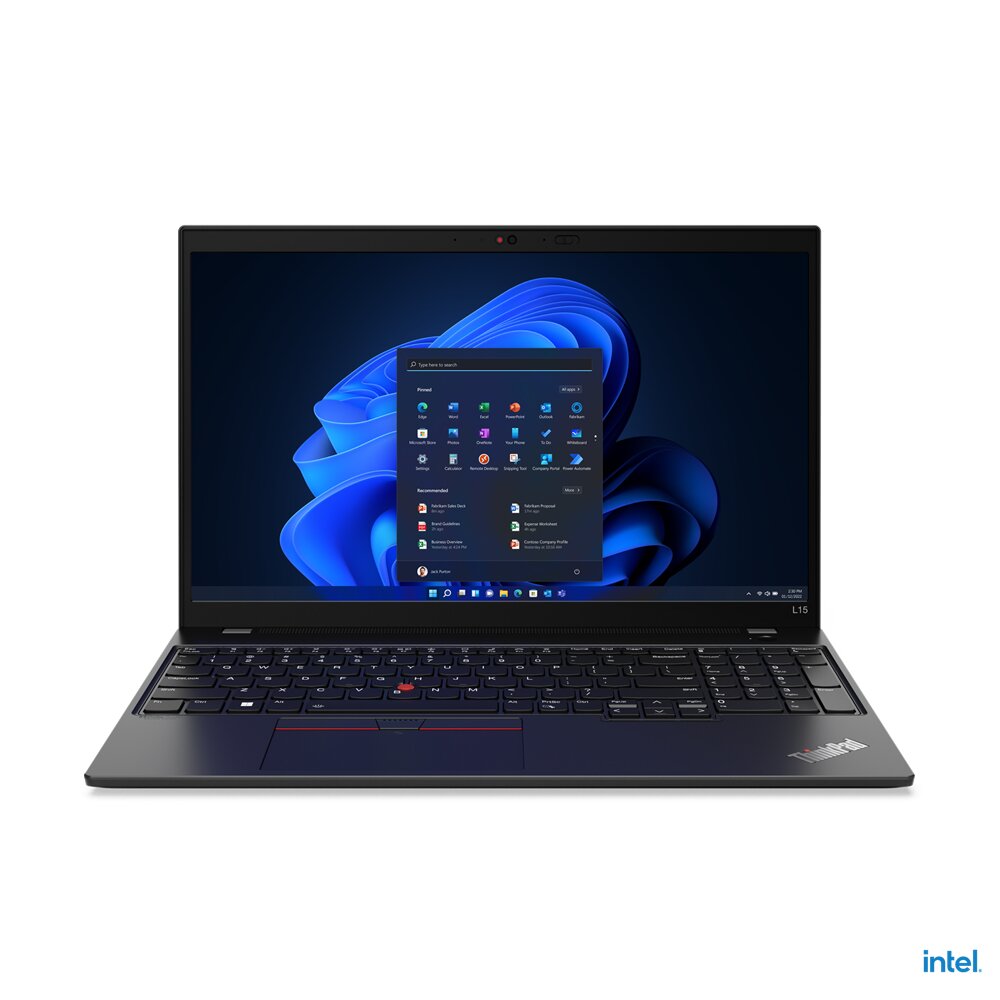
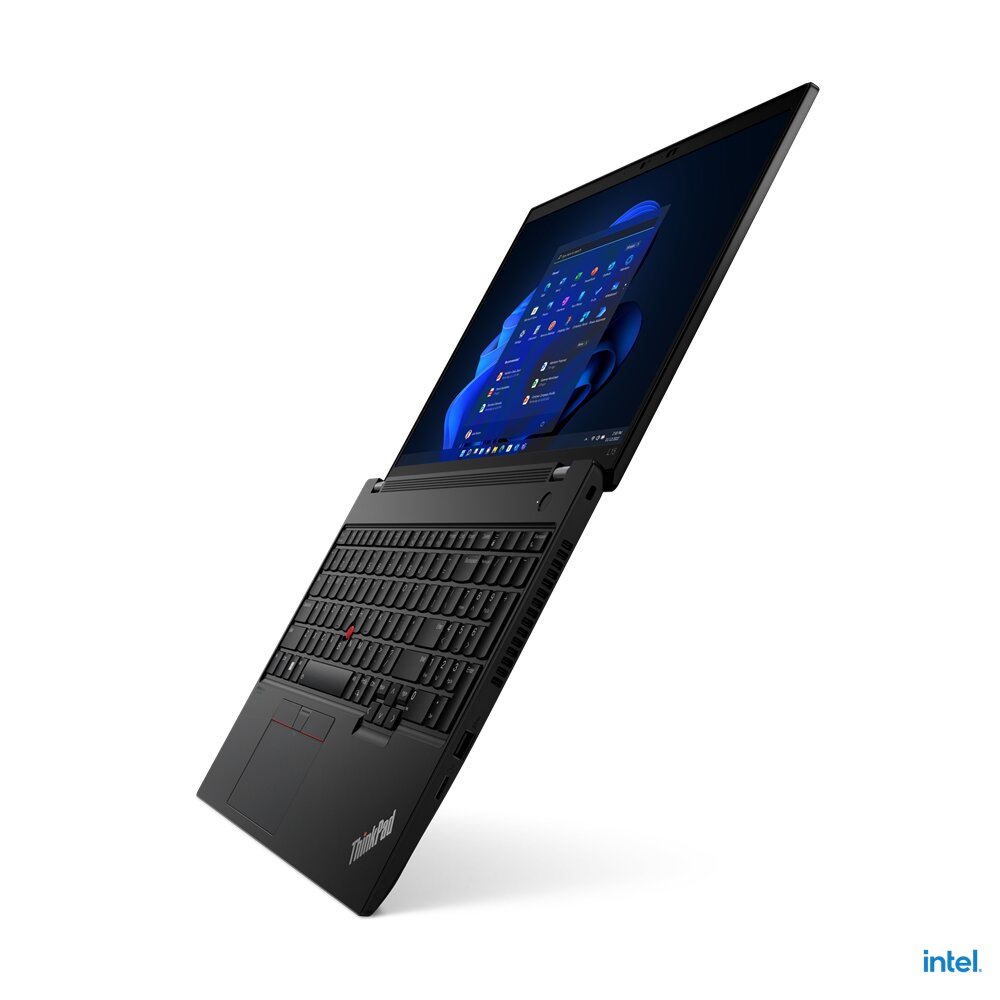
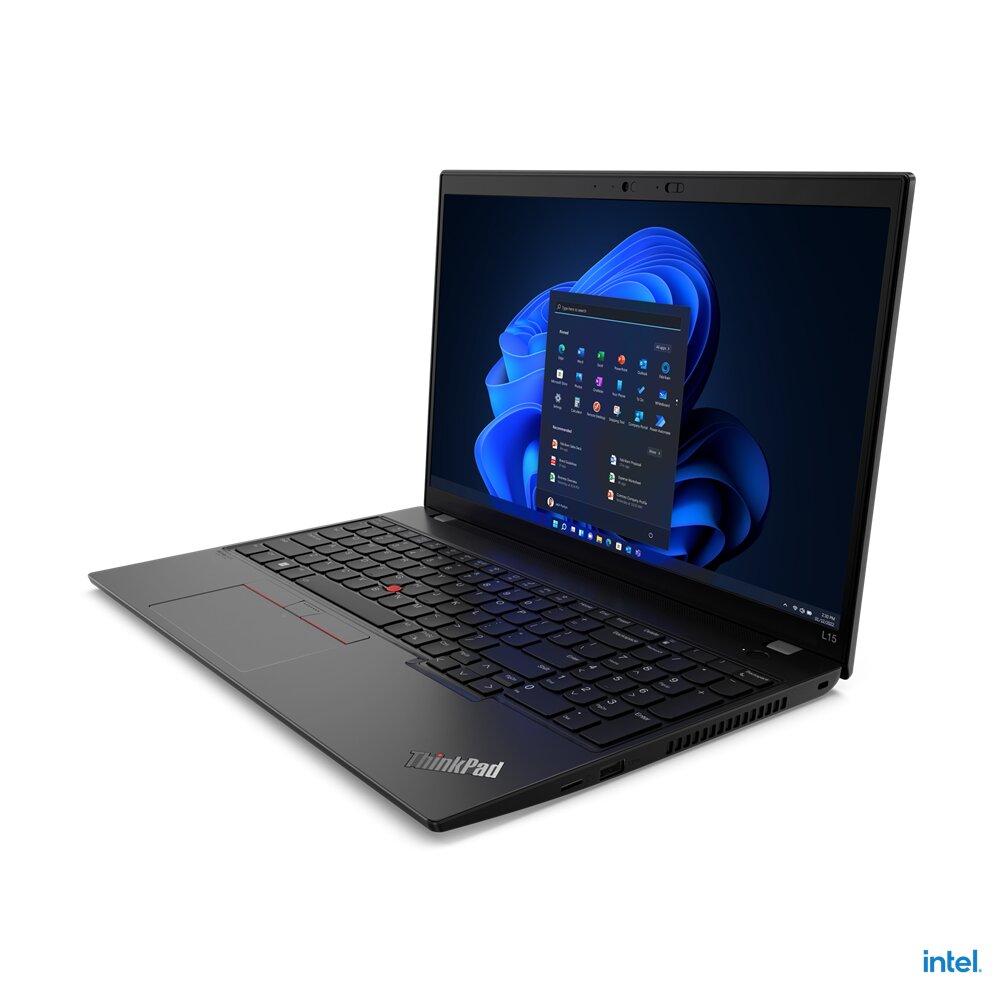
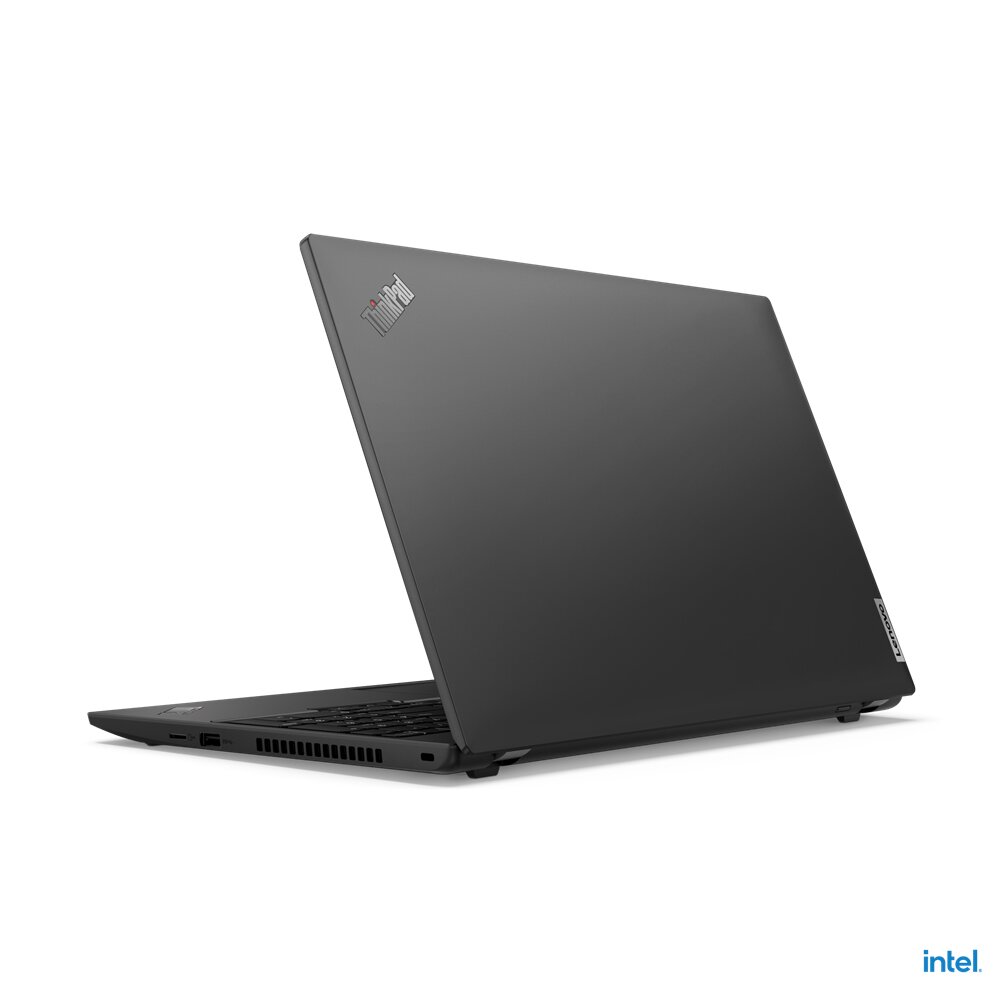
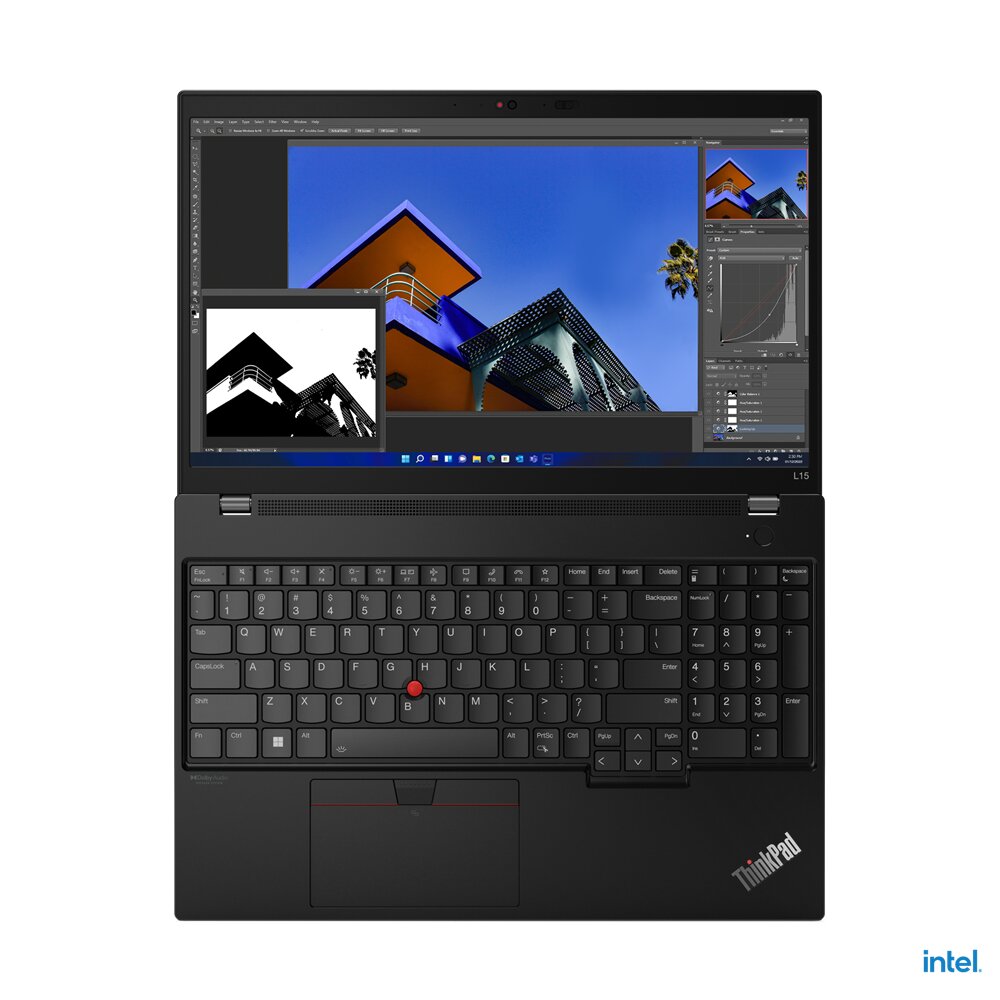
Lenovo ThinkPad L15 Gen 3 (Intel) features two SO-DIMM slots for memory upgrades. The laptop supports DDR4-SDRAM memory operating at 3200 MHz frequency. Maximum RAM capacity reaches 64 GB for this model. Compatible memory modules must match SO-DIMM form factor specifications. Upgrade specifications allow installation of higher-capacity memory modules in both available slots to enhance system performance and multitasking capabilities.
Memory Upgrade Specifications
| Specification | Value |
|---|---|
| Memory slots | 2x SO-DIMM |
| Form factor | SO-DIMM |
| Memory type | DDR4-SDRAM |
| Frequency | 3200 MHz |
| Maximum RAM | 64 GB |
| Voltage | 1.2V |
| Number of pins | 260-pin |
| Interface | PC4 |
| PC Speed Rating | PC4-3200 (PC4-25600) |
| Bandwidth | 25.6 GB/s |
Additional Notes
- The Lenovo ThinkPad L15 Gen 3 (Intel) supports dual-channel memory architecture through its 2 SO-DIMM slots, enabling potential bandwidth doubling when populated with matched pairs compared to single-module configurations.
- DDR4-3200 represents the native JEDEC speed supported by 11th and 12th generation Intel mobile processors, eliminating the need for XMP profiles and ensuring plug-and-play compatibility without BIOS adjustments.
- The 64 GB maximum capacity requires installing two 32 GB modules, which limits future expansion headroom since both slots must be occupied to reach the ceiling.
- SO-DIMM form factor modules measure 67.6 mm in length, considerably shorter than standard DIMM memory, restricting compatibility to laptop-specific modules rather than desktop RAM.
- Mixing modules with different capacities or speeds will force the memory controller to operate all modules at the lowest common denominator speed and timing, potentially degrading performance below the 3200 MHz specification.
- DDR4 operates at 1.2V nominal voltage, significantly lower than DDR3's 1.5V requirement, which prevents backward compatibility with older generation modules despite physical connector similarities.
- The memory controller in Intel mobile platforms typically supports ECC unbuffered SO-DIMMs, though this workstation-oriented feature requires specific module types and BIOS support to function.
- Installing modules in asymmetric configurations (such as 8 GB plus 16 GB) maintains dual-channel operation only up to the capacity of the smallest module, with excess capacity reverting to slower single-channel mode.
- DDR4-3200 modules use CL22 latency timings as standard JEDEC specification, whereas DDR4-2933 typically runs CL21, meaning higher frequency does not automatically guarantee lower absolute latency in nanoseconds.
- User-accessible memory slots in this chassis design typically allow warranty-compliant upgrades without seal breakage, contrasting with models featuring soldered memory that void coverage upon access attempts.