LENOVO ThinkPad L14 Gen 5 (Intel) RAM upgrade specifications

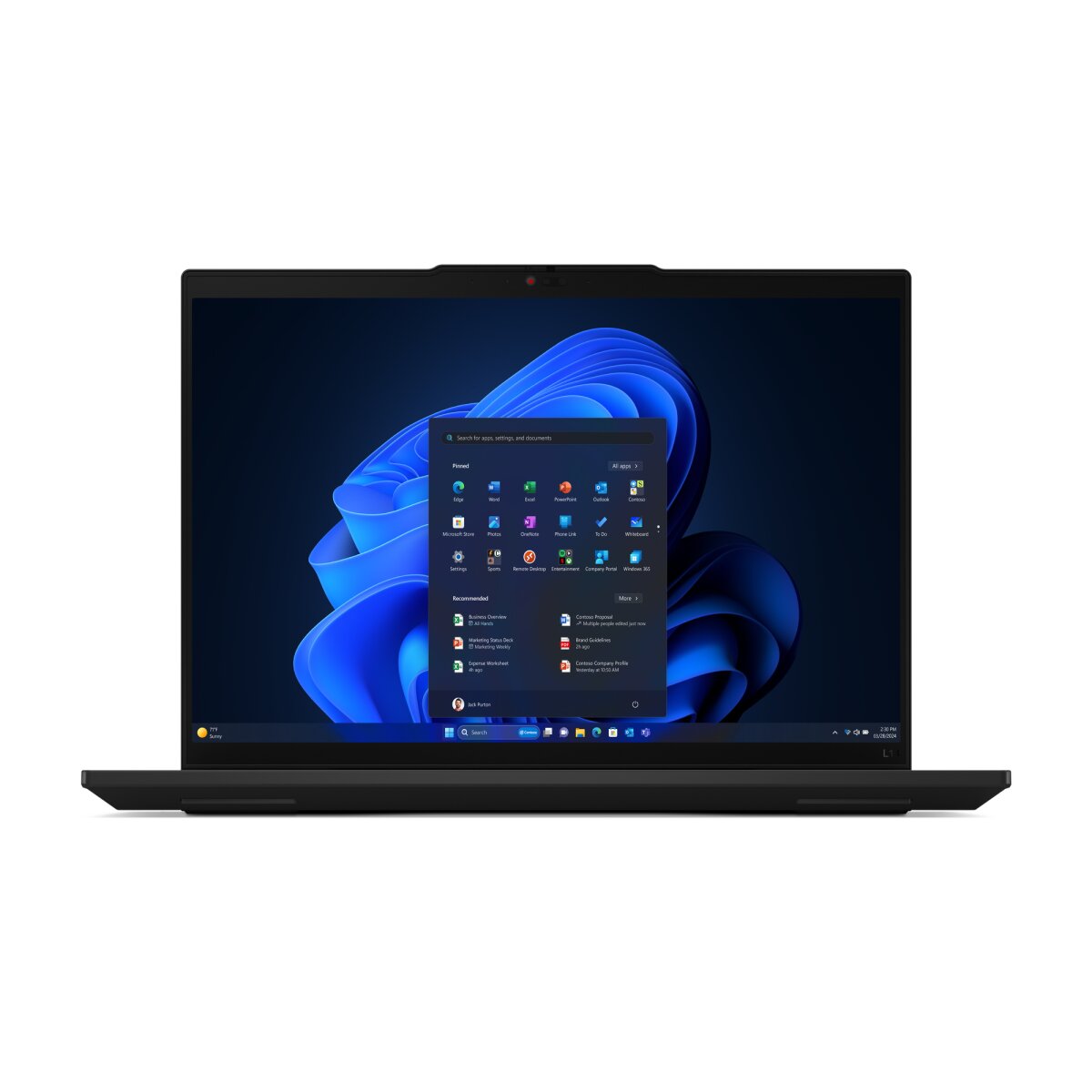



The Lenovo ThinkPad L14 Gen 5 (Intel) supports DDR5-SDRAM memory upgrades with two SO-DIMM slots. The laptop accommodates a maximum RAM capacity of 64 GB total. Memory modules operate at 5600 MHz frequency specifications. Compatible upgrades utilize the SO-DIMM form factor standard. The device enables memory expansion through dual slot configuration for enhanced system performance and multitasking capabilities.
Memory Upgrade Specifications
| Specification | Value |
|---|---|
| Memory slots | 2x SO-DIMM |
| Form factor | SO-DIMM |
| Memory type | DDR5-SDRAM |
| Frequency | 5600 MHz |
| Maximum RAM | 64 GB |
| Voltage | 1.1V |
| Number of pins | 262-pin |
| Interface | PC5 |
| PC Speed Rating | PC5-5600 (PC5-44800) |
| Bandwidth | 44.8 GB/s |
Additional Notes
- The DDR5-SDRAM architecture in this configuration requires modules operating at 1.1V, eliminating compatibility with DDR4 modules which operate at 1.2V despite sharing similar physical dimensions.
- The 5600 MHz frequency specification represents the maximum supported data rate, meaning modules rated at higher speeds will downclock to this threshold, offering no performance advantage beyond this ceiling.
- Achieving the 64 GB maximum capacity necessitates installing two 32 GB modules, as single-module configurations will leave half the available memory bandwidth unutilized due to the dual-channel architecture.
- The SO-DIMM form factor designates modules measuring 67.6mm in length, distinguishing them from standard DIMM modules used in desktop systems and preventing cross-platform compatibility.
- The Lenovo ThinkPad L14 Gen 5 (Intel) implements JEDEC-standard memory configurations, meaning non-XMP modules provide optimal stability, as XMP profiles designed for desktop platforms may not initialize correctly in this system.
- Dual-channel operation requires matching module capacities in both slots, as asymmetric configurations will force the system into single-channel mode for the portion exceeding the smaller module, creating performance inconsistencies.
- The 2x SO-DIMM slot configuration indicates user-accessible upgrade potential without soldered memory, preserving warranty coverage when using manufacturer-approved components during installation.
- DDR5 modules incorporate on-die ECC functionality independent of system-level ECC support, providing basic error correction at the DRAM chip level regardless of BIOS configuration options.
- The 5600 MHz specification correlates to a theoretical maximum bandwidth of 44.8 GB/s per channel when both slots operate in dual-channel mode, though real-world throughput varies with workload characteristics.
- Memory timing specifications remain bound by JEDEC standards at this frequency, with CAS latency values typically falling within the 40-46 range for validated modules.