LENOVO ThinkPad P1 (2nd Gen) RAM upgrade specifications

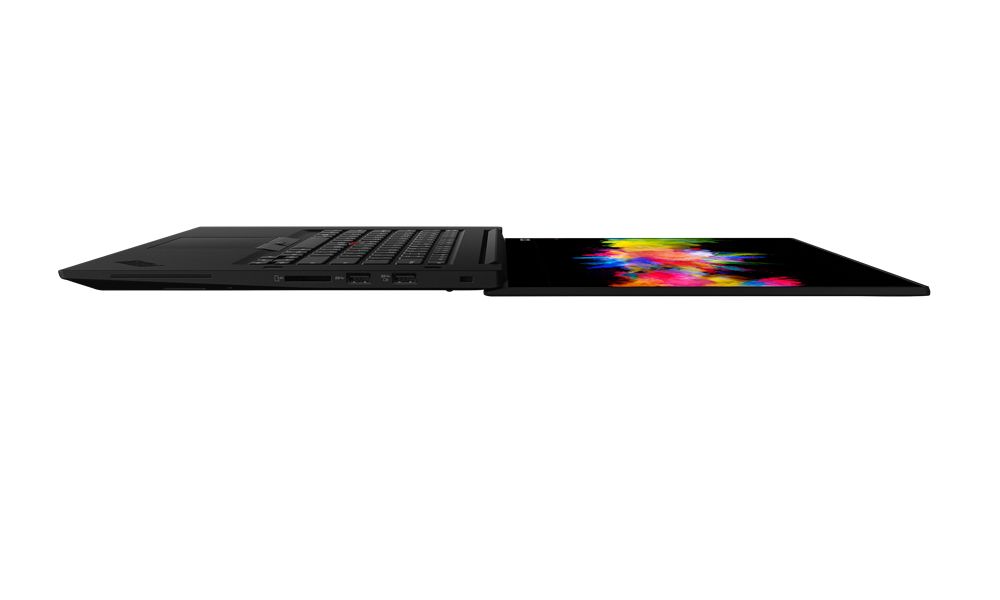
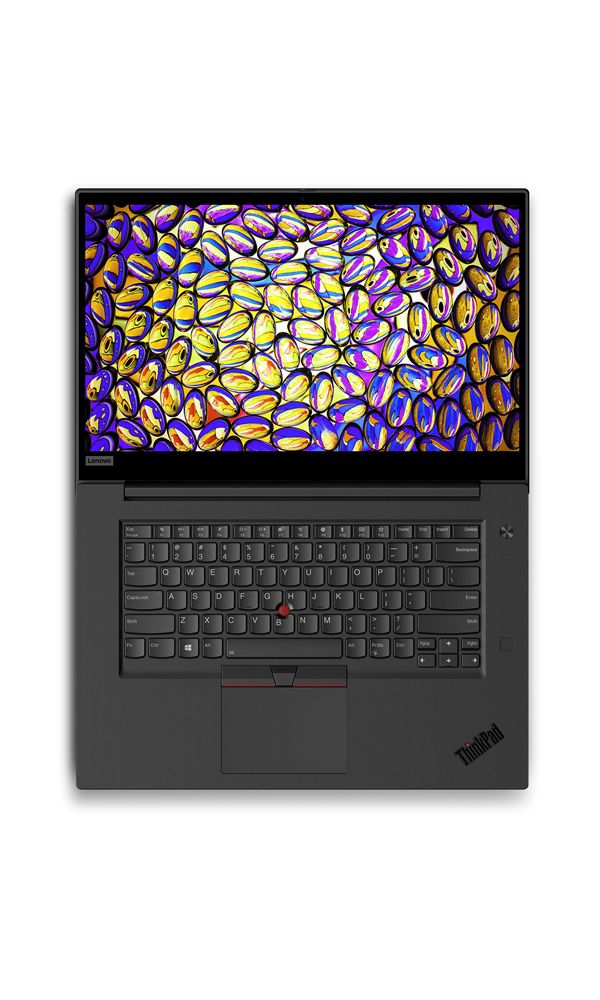
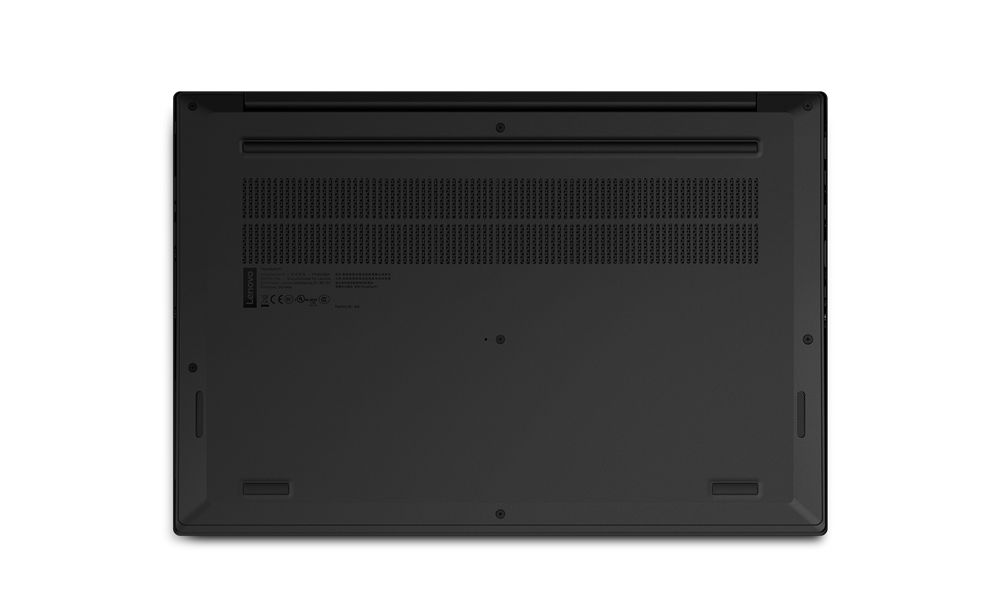
Lenovo ThinkPad P series P1 (2nd Gen) accommodates DDR4-SDRAM memory upgrades via 2x SO-DIMM slots. The laptop supports maximum RAM capacity of 64 GB total, with compatible modules operating at 2666 MHz frequency. Memory upgrades utilize SO-DIMM form factor specifications, enabling users to expand system RAM beyond factory configurations for enhanced multitasking and performance capabilities.
Memory Upgrade Specifications
| Specification | Value |
|---|---|
| Memory slots | 2x SO-DIMM |
| Form factor | SO-DIMM |
| Memory type | DDR4-SDRAM |
| Frequency | 2666 MHz |
| Maximum RAM | 64 GB |
| Voltage | 1.2V |
| Number of pins | 260-pin |
| Interface | PC4 |
| PC Speed Rating | PC4-2666 (PC4-21328) |
| Bandwidth | 21.3 GB/s |
| Laptop Release date | 04 March 2020 |
Additional Notes
- The Lenovo ThinkPad P1 (2nd Gen) supports DDR4-2666 memory, which represents a lower-speed tier compared to concurrent DDR4-3200 offerings in mobile workstations, potentially limiting sustained bandwidth during memory-intensive CAD or rendering workflows.
- Dual SO-DIMM configuration restricts total capacity expansion to 64 GB, requiring both slots to be populated simultaneously to reach maximum memory; this eliminates the staged upgrade strategy of adding a single module first to test compatibility or preserve existing RAM.
- SO-DIMM form factor requires full system disassembly and motherboard access for installation, with no user-accessible memory compartment, placing RAM upgrades outside typical warranty-safe self-service territory unless performed by Lenovo service centers.
- The 2666 MHz frequency ceiling indicates the platform's memory controller does not support higher-speed DDR4 variants (3200, 3600 MHz), making premium memory modules incompatible and preventing performance gains from faster RAM purchases.
- Migration from factory configurations below 64 GB to the maximum requires purchasing 32 GB SO-DIMM modules at a premium cost per gigabyte relative to desktop DDR4 alternatives, reducing total-cost-of-ownership efficiency compared to upgrade-friendly systems.
- Memory bandwidth constraints at 2666 MHz combined with workstation GPU acceleration suggest the system may bottleneck certain parallel workloads where GPU and CPU compete for memory throughput, particularly in uncompressed video processing or large dataset analysis.