LENOVO ThinkPad P1 Gen 3 RAM upgrade specifications

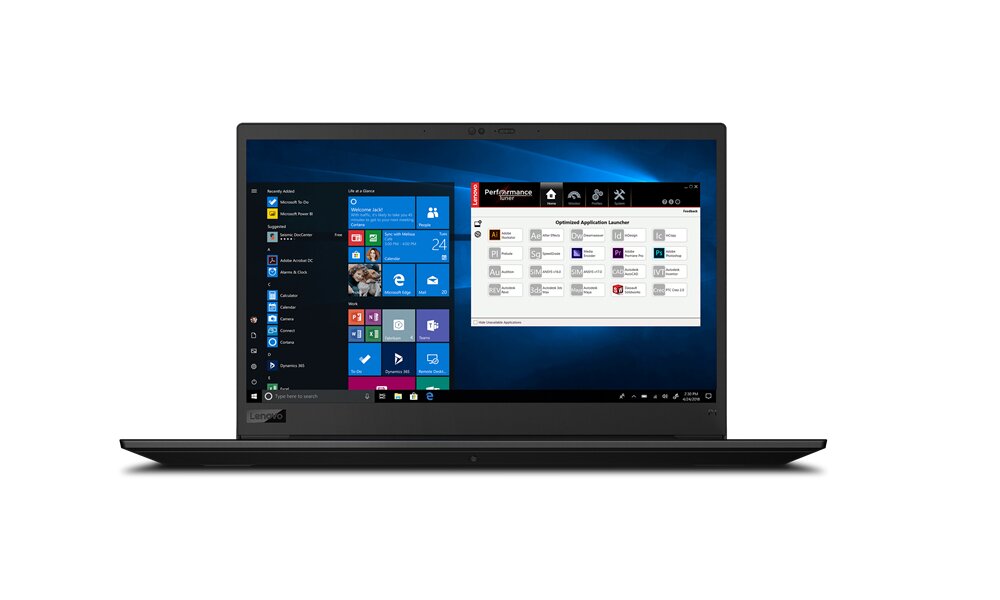


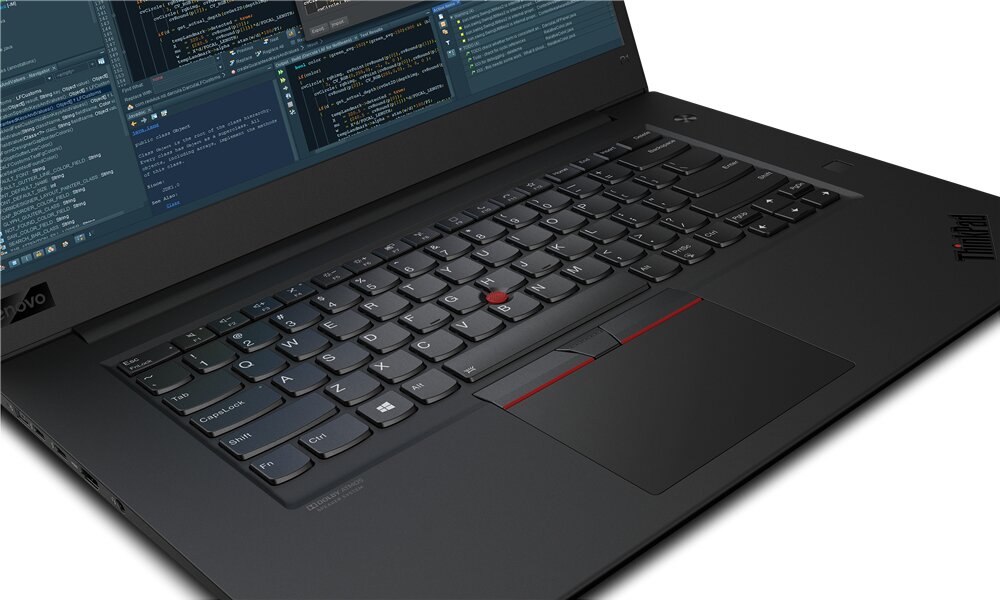
The Lenovo ThinkPad P series P1 Gen 3 laptop contains 2x SO-DIMM memory slots supporting DDR4-SDRAM specifications. Maximum RAM capacity reaches 64 GB total. The memory upgrade specifications utilize SO-DIMM form factor modules operating at 2933 MHz frequency. Compatible memory modules must meet DDR4-SDRAM standards for proper integration with this model's architecture.
Memory Upgrade Specifications
| Specification | Value |
|---|---|
| Memory slots | 2x SO-DIMM |
| Form factor | SO-DIMM |
| Memory type | DDR4-SDRAM |
| Frequency | 2933 MHz |
| Maximum RAM | 64 GB |
| Voltage | 1.2V |
| Number of pins | 260-pin |
| Interface | PC4 |
| PC Speed Rating | PC4-2933 (PC4-23464) |
| Bandwidth | 23.5 GB/s |
| Laptop Release date | 25 January 2022 |
Additional Notes
- The Lenovo ThinkPad P1 Gen 3 supports a maximum density of 32 GB per module across its dual slots, limiting configurations to either 64 GB total or lower capacities.
- DDR4-2933 operates on JEDEC specifications requiring 1.2V, which reduces thermal output compared to overclocked memory but prevents the use of higher voltage XMP profiles.
- SO-DIMM modules measure 67.6 mm in length versus standard DIMM at 133.35 mm, making desktop memory physically incompatible with this mobile workstation architecture.
- The 2933 MHz frequency translates to a peak theoretical bandwidth of 23.46 GB/s per channel, totaling 46.93 GB/s in dual-channel configuration when both slots are populated with matched modules.
- Mixing modules with different speeds forces all memory to downclock to the lowest common frequency, potentially reducing system performance if pairing 2933 MHz with slower modules.
- Non-matching module capacities still enable dual-channel operation through flex mode, though only the matched portion runs in dual-channel while excess capacity operates in single-channel mode.
- Accessing internal SO-DIMM slots typically requires bottom panel removal, which may void warranty seals depending on regional service policies and warranty terms.
- ECC unbuffered SO-DIMM compatibility depends on processor support within the mobile Xeon or Core series, as standard Core processors in this generation lack ECC validation.
- CAS latency ratings affect real-world responsiveness, with CL21 representing looser timings at 2933 MHz compared to CL19, though impact varies by workload type.
- Single-channel operation from populating only one slot halves available memory bandwidth, creating performance bottlenecks in graphics rendering and large dataset manipulation.