LENOVO ThinkPad P1 Gen 5 RAM upgrade specifications

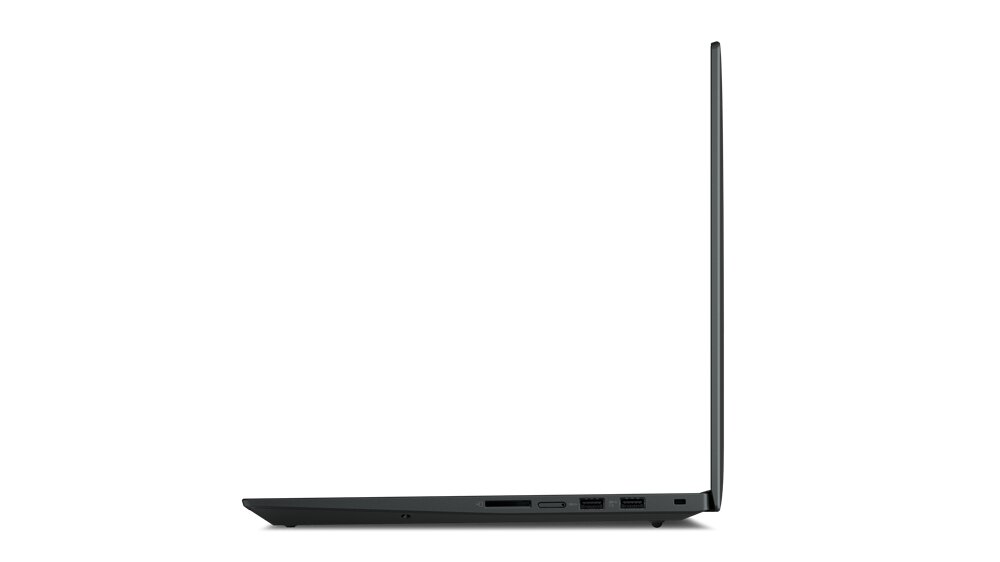
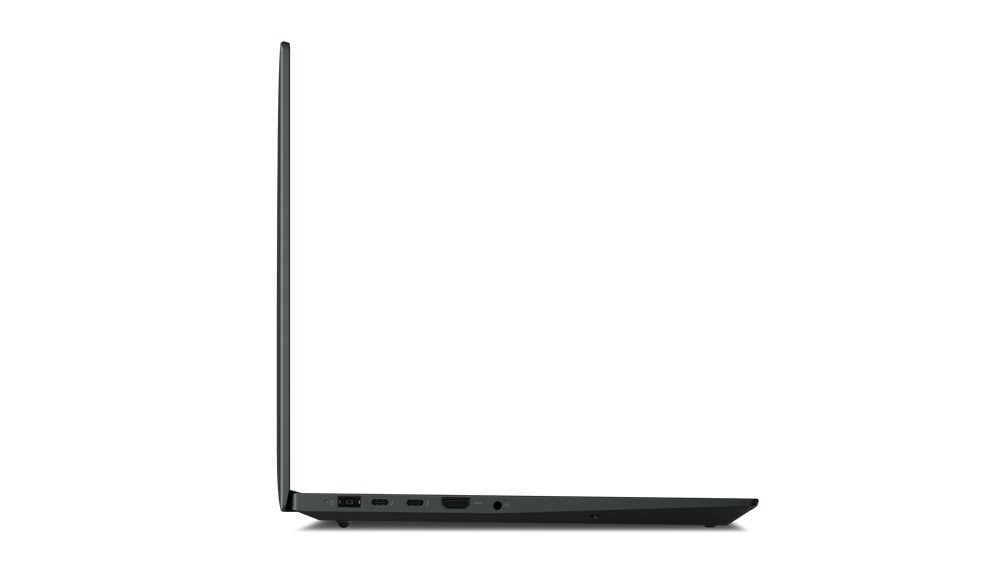
The Lenovo ThinkPad P Series P1 Gen 5 features two SO-DIMM slots supporting DDR5-SDRAM memory upgrades at 4800 MHz frequency. The laptop specifications allow maximum RAM capacity of 64 GB, enabling users to expand memory configuration according to workload requirements. Compatible memory upgrades must match the DDR5-SDRAM standard and SO-DIMM form factor. The dual-slot architecture permits flexible memory upgrade pathways to achieve the maximum capacity specifications supported by the P1 Gen 5 platform.
Memory Upgrade Specifications
| Specification | Value |
|---|---|
| Memory slots | 2x SO-DIMM |
| Form factor | SO-DIMM |
| Memory type | DDR5-SDRAM |
| Frequency | 4800 MHz |
| Maximum RAM | 64 GB |
| Voltage | 1.1V |
| Number of pins | 262-pin |
| Interface | PC5 |
| PC Speed Rating | PC5-4800 (PC5-38400) |
| Bandwidth | 38.4 GB/s |
Additional Notes
- DDR5 memory operates at substantially higher bandwidth than DDR4, delivering 76.8 gigabytes per second theoretical throughput. This architecture eliminates performance constraints in memory-intensive workloads such as 3D rendering, video encoding, and large dataset processing.
- The Lenovo ThinkPad P1 Gen 5 supports maximum addressable memory of 64 gigabytes across 2 SO-DIMM slots, requiring paired capacity modules to achieve optimal dual-channel performance. Asymmetrical configurations (32 GB and 16 GB, for example) reduce effective bandwidth by approximately 50 percent.
- SO-DIMM socket architecture constrains maximum single-module capacity to 32 gigabytes currently. Reaching the 64-gigabyte platform ceiling mandates 2 identical 32-gigabyte modules, with no feasible path to higher densities without motherboard redesign.
- DDR5-4800 memory frequency establishes a performance floor for third-party upgrades. Modules rated below 4800 MHz will operate at reduced frequency and timing, degrading graphics processing and computational performance in professional applications.
- SO-DIMM installation requires power-down procedures and involves small connector geometry vulnerable to misalignment. Warranty coverage typically remains intact for manufacturer-approved memory modules installed per service manual specifications.
- The workstation allocates DDR5 channels across integrated and discrete processor resources. CPU-intensive tasks and GPU acceleration compete for bandwidth, creating temporary contention peaks despite total 64-gigabyte capacity. Memory utilization monitoring is advisable during deployment.