LENOVO ThinkPad P14s Gen 2 RAM upgrade specifications
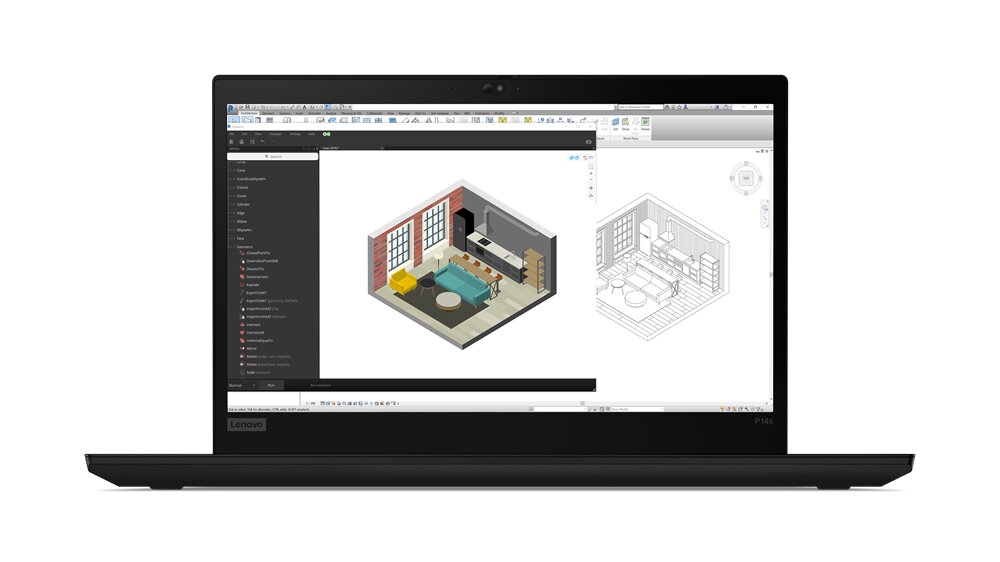
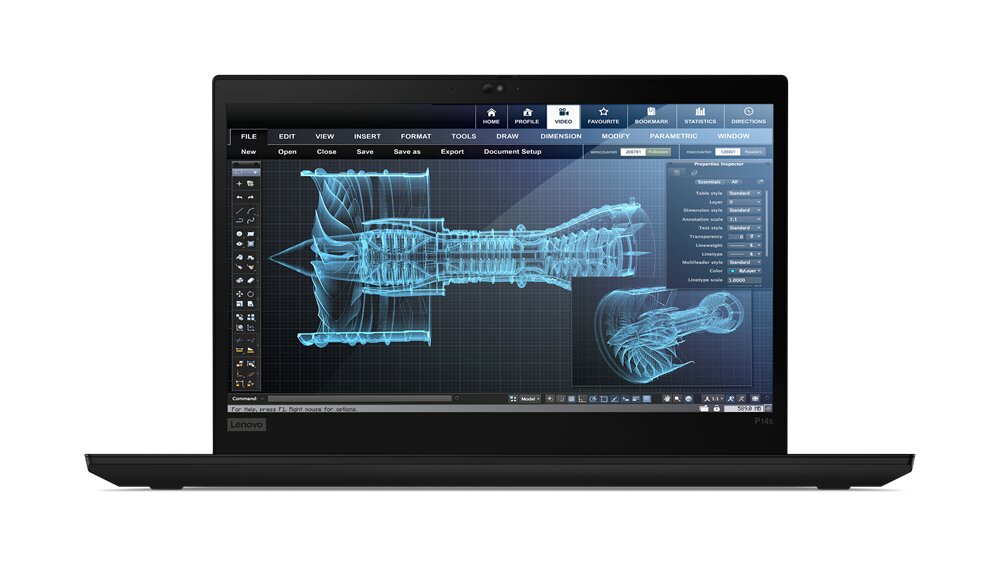
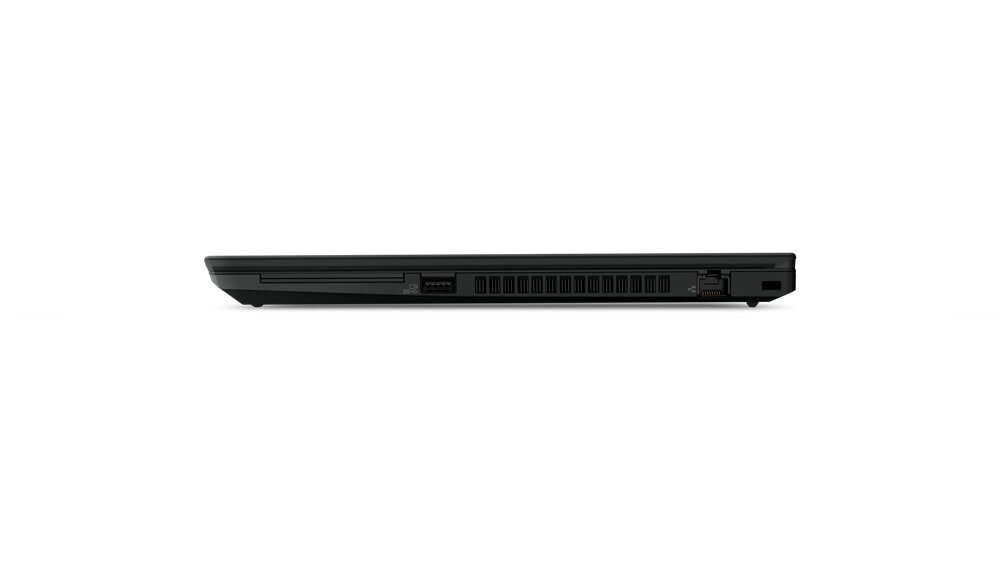
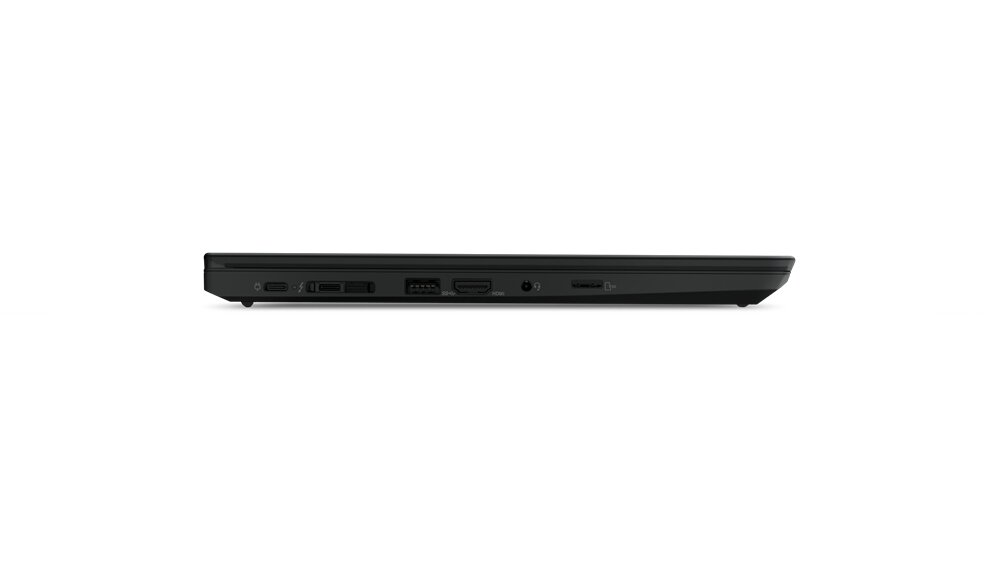
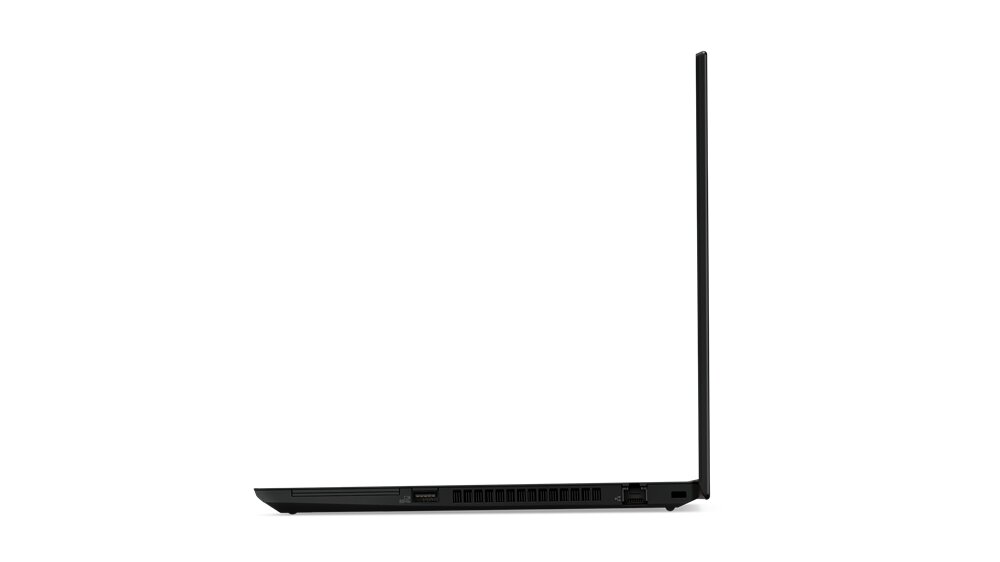
The LENOVO ThinkPad P series P14s Gen 2 laptop features DDR4-SDRAM memory upgrade specifications. The system contains one SO-DIMM slot available for expansion, with on-board memory already integrated. Maximum compatible RAM capacity reaches 48 GB through upgrade installations. Memory operates at 3200 MHz frequency. Specifications support DDR4-SDRAM modules for memory slot expansion, enabling increased multitasking and performance capabilities for professional workloads on the P14s Gen 2 platform.
Memory Upgrade Specifications
| Specification | Value |
|---|---|
| Memory slots | 1x SO-DIMM |
| Form factor | On-board + SO-DIMM |
| Memory type | DDR4-SDRAM |
| Frequency | 3200 MHz |
| Maximum RAM | 48 GB |
| Voltage | 1.2V |
| Number of pins | 260-pin |
| Interface | PC4 |
| PC Speed Rating | PC4-3200 (PC4-25600) |
| Bandwidth | 25.6 GB/s |
| Laptop Release date | 19 January 2021 |
Additional Notes
- The Lenovo ThinkPad P14s Gen 2 contains soldered memory on the motherboard, meaning only 1 SO-DIMM slot is available for user upgrades, leaving half of the memory architecture permanently fixed.
- Maximum addressable memory of 48 GB indicates soldered capacity of approximately 16 GB, constraining practical expansion to adding 32 GB via the single accessible slot.
- DDR4-3200 MHz standard creates a dual-channel memory bottleneck when only the SO-DIMM slot is populated, potentially reducing bandwidth efficiency by up to 50 percent compared to symmetric dual-channel configurations.
- The SO-DIMM form factor limits upgrade modules to laptop-grade components; desktop DDR4 DIMMs are physically incompatible and will not seat in the slot.
- Replacement memory modules must match DDR4-3200 specification to maintain rated performance; mixing with lower-frequency modules forces the system to operate at reduced speeds across all memory channels.
- Upgrading beyond the soldered capacity requires purchasing a full 32 GB SO-DIMM module, as partial increments (4 GB, 8 GB) may result in suboptimal price-per-gigabyte economics.
- Memory upgrades performed by end users typically fall outside manufacturer warranty coverage; official service channels should be consulted before opening the chassis to determine warranty implications.
- The hybrid memory architecture (soldered plus modular) means the system cannot achieve fully symmetric dual-channel operation unless the SO-DIMM capacity exactly matches onboard capacity, a configuration that may not be available in current product lineups.