LENOVO ThinkPad P15 Gen 2 RAM upgrade specifications
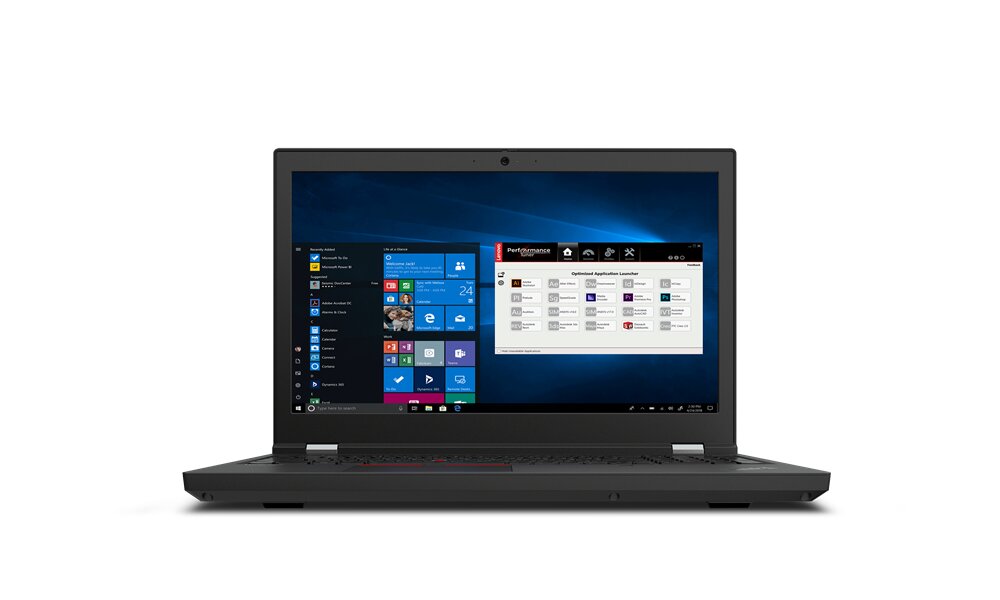

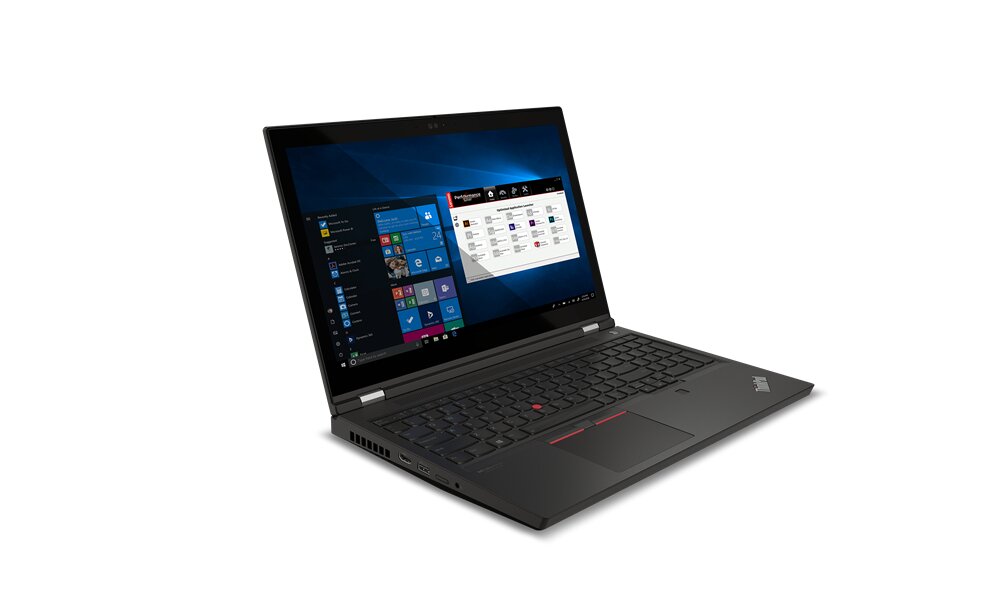
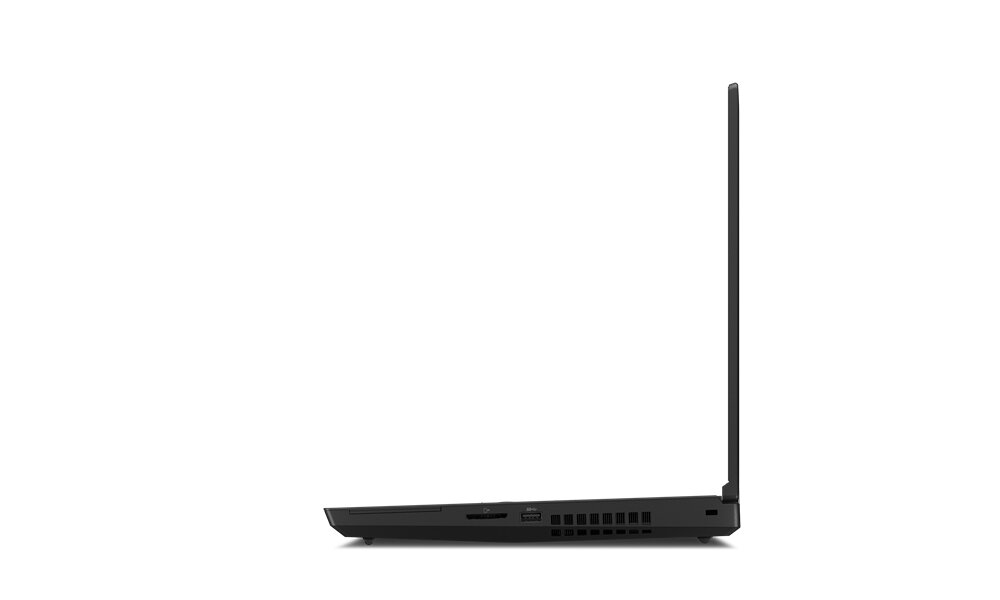
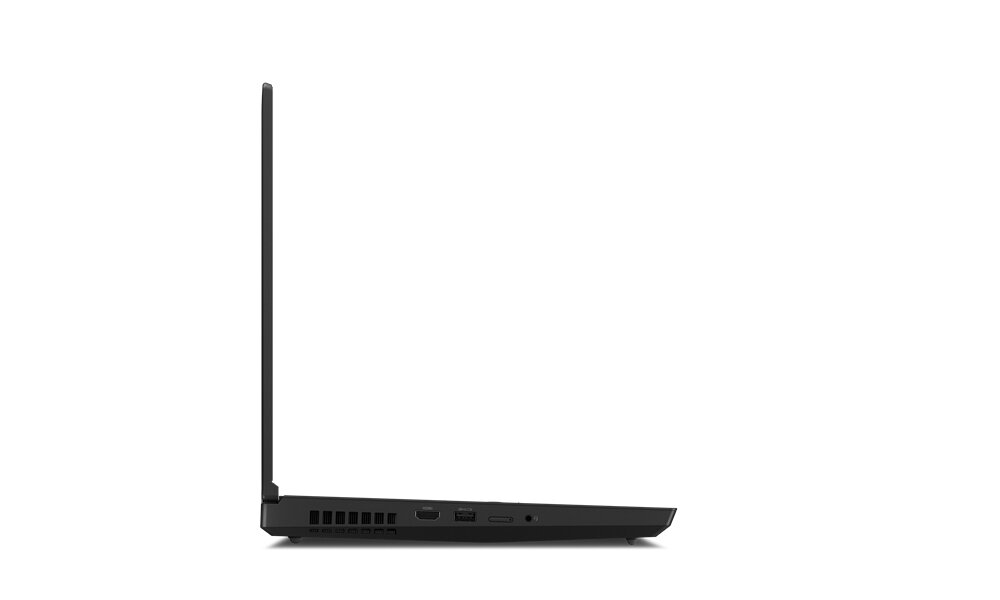
Lenovo ThinkPad P series P15 Gen 2 supports DDR4-SDRAM memory upgrades across four SO-DIMM slots. Maximum RAM capacity reaches 128 GB with compatible memory modules operating at 3200 MHz frequency. Upgrade specifications indicate SO-DIMM form factor compatibility for this professional-grade mobile workstation model. Memory expansion enables enhanced multitasking and performance scaling for demanding applications.
Memory Upgrade Specifications
| Specification | Value |
|---|---|
| Memory slots | 4x SO-DIMM |
| Form factor | SO-DIMM |
| Memory type | DDR4-SDRAM |
| Frequency | 3200 MHz |
| Maximum RAM | 128 GB |
| Voltage | 1.2V |
| Number of pins | 260-pin |
| Interface | PC4 |
| PC Speed Rating | PC4-3200 (PC4-25600) |
| Bandwidth | 25.6 GB/s |
| Laptop Release date | 22 January 2022 |
Additional Notes
- The 4 SO-DIMM slots in the Lenovo ThinkPad P15 Gen 2 enable dual-channel operation when populated in matched pairs, effectively doubling memory bandwidth compared to single-channel configurations.
- DDR4-3200 modules operating at lower frequencies due to BIOS or processor limitations will still function but sacrifice potential throughput gains inherent to the 3200 MHz specification.
- Achieving the 128 GB ceiling requires 4 modules of 32 GB each, which eliminates future expansion unless existing modules are removed and replaced.
- Mixing module capacities across the 4 slots remains functional but may force the memory controller into asymmetric or flex mode, reducing bandwidth efficiency in certain workloads.
- Non-ECC SO-DIMMs are standard for this platform; ECC variants will not initialize unless the processor and chipset explicitly support error correction, which mobile workstations sometimes lack.
- Thermal constraints in mobile workstations can cause DDR4-3200 modules to throttle under sustained loads if airflow pathways near the RAM slots are obstructed by dust or aftermarket components.
- Voltage mismatches between 1.2V standard DDR4 and older 1.35V low-voltage modules can prevent POST or cause instability, as SO-DIMM slots enforce strict power delivery tolerances.
- Accessing all 4 memory slots typically requires bottom panel removal and potentially keyboard or palmrest disassembly, depending on the internal layout revision.
- XMP profiles embedded in enthusiast-grade SO-DIMMs will not activate on this platform, as mobile workstation BIOS implementations prioritize stability over overclocking.
- Warranty preservation depends on using modules that do not exceed JEDEC-standard electrical specifications, as overvoltage or out-of-spec timings can void coverage on certain enterprise systems.