LENOVO ThinkPad P51s RAM upgrade specifications
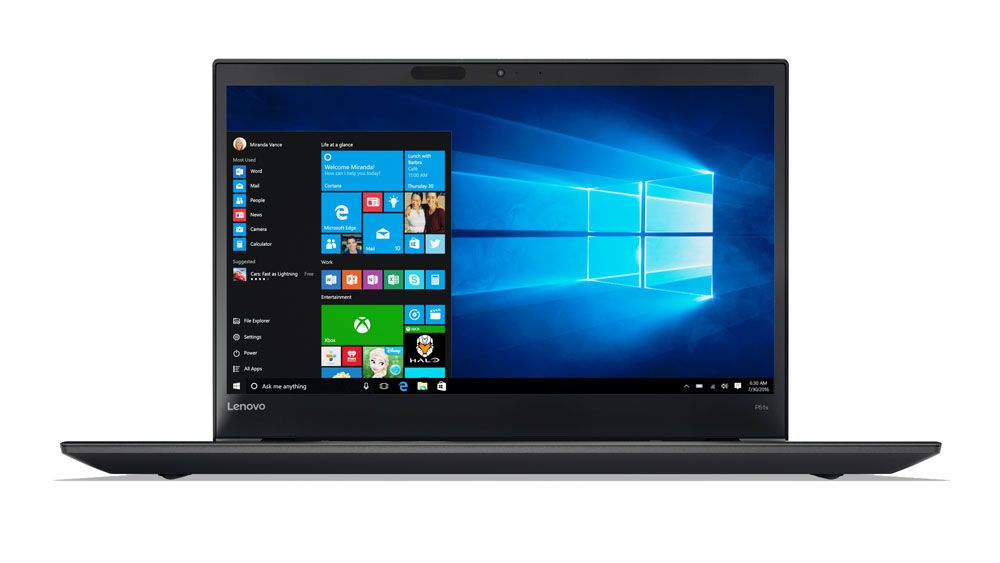
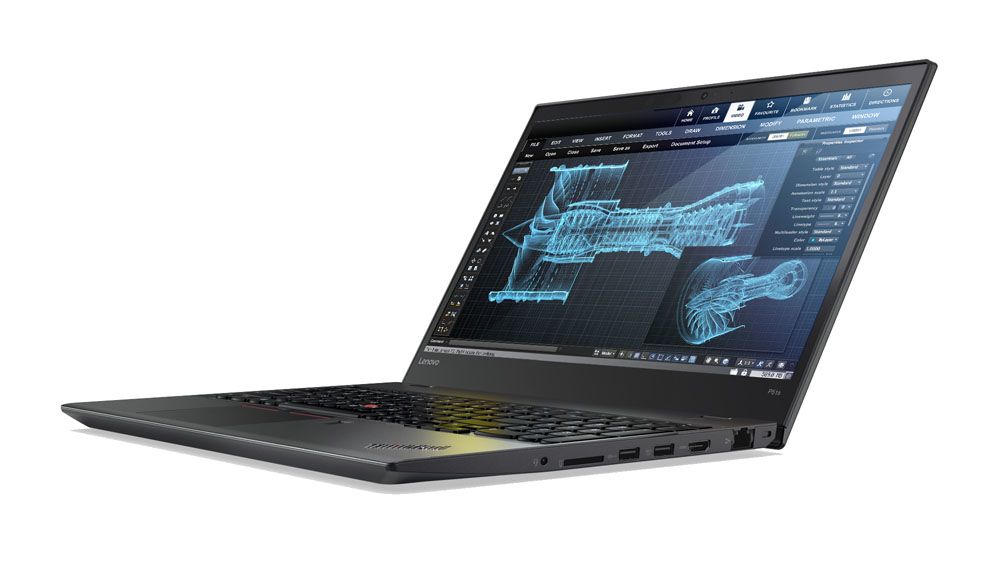
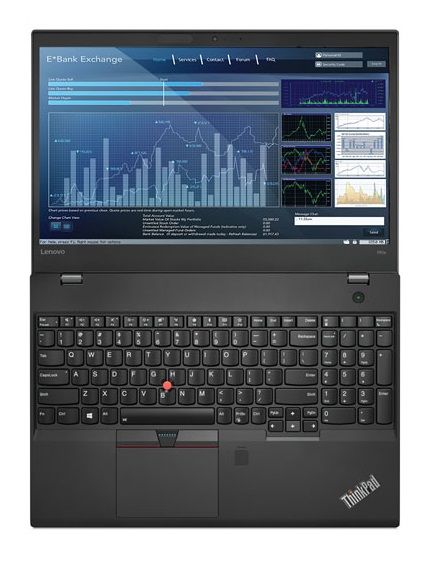
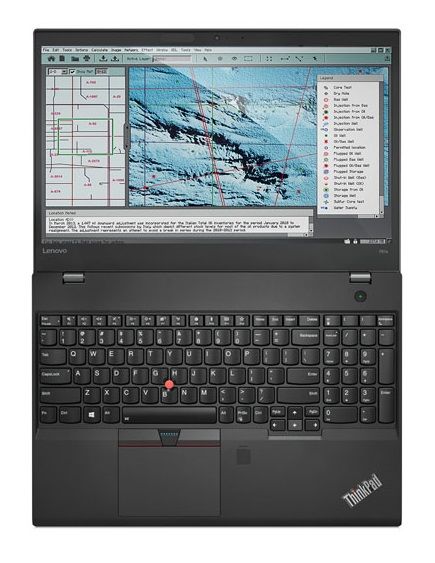
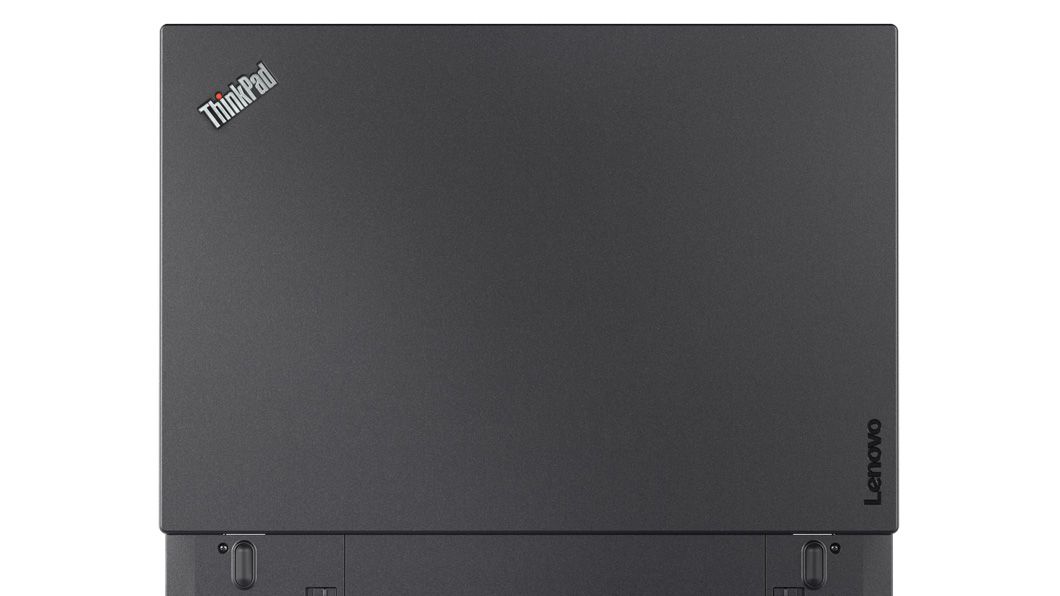
The Lenovo ThinkPad P51s features DDR4-SDRAM memory upgrade capabilities with two SO-DIMM slots supporting a maximum capacity of 32 GB. The laptop's memory specifications include 2133 MHz frequency operation. Compatible RAM upgrades utilize the SO-DIMM form factor. The P51s memory slots permit individual modules up to 16 GB capacity per slot, enabling users to expand the system's total RAM from factory-configured levels to the 32 GB maximum specification. Upgrade compatibility requires DDR4-SDRAM modules matching the specified frequency and SO-DIMM physical format.
Memory Upgrade Specifications
| Specification | Value |
|---|---|
| Memory slots | 2x SO-DIMM |
| Form factor | SO-DIMM |
| Memory type | DDR4-SDRAM |
| Frequency | 2133 MHz |
| Maximum RAM | 32 GB |
| Voltage | 1.2V |
| Number of pins | 260-pin |
| Interface | PC4 |
| PC Speed Rating | PC4-2133 (PC4-17064) |
| Bandwidth | 17.1 GB/s |
| Laptop Release date | 14 June 2017 |
Additional Notes
- Dual channel memory architecture requires installation of identical modules in both slots to optimize bandwidth for integrated graphics workloads.
- The processor architecture imposes a hardware cap on addressable memory that prevents the utilization of 32 GB modules in a single slot.
- Installation of faster memory modules results in automatic downclocking to 2133 MHz due to chipset synchronization limits.
- Accessing the SO-DIMM slots necessitates the removal of the external battery pack and the entire bottom chassis panel which involves plastic clips prone to fatigue.
- Mixing modules with different CAS latency values forces the system to operate at the timings of the slowest individual stick.
- The absence of soldered memory on the motherboard allows for a total replacement of the factory RAM without leaving orphaned or mismatched capacity footprints.
- System stability depends on the use of unbuffered non-ECC modules as the motherboard lacks the circuitry to support error correcting code memory.
- Thermal dissipation within the chassis relies on the proximity of the memory slots to the heat pipe assembly meaning high profile heat spreaders on aftermarket RAM might interfere with the bottom cover clearance.