LENOVO ThinkPad P53 RAM upgrade specifications
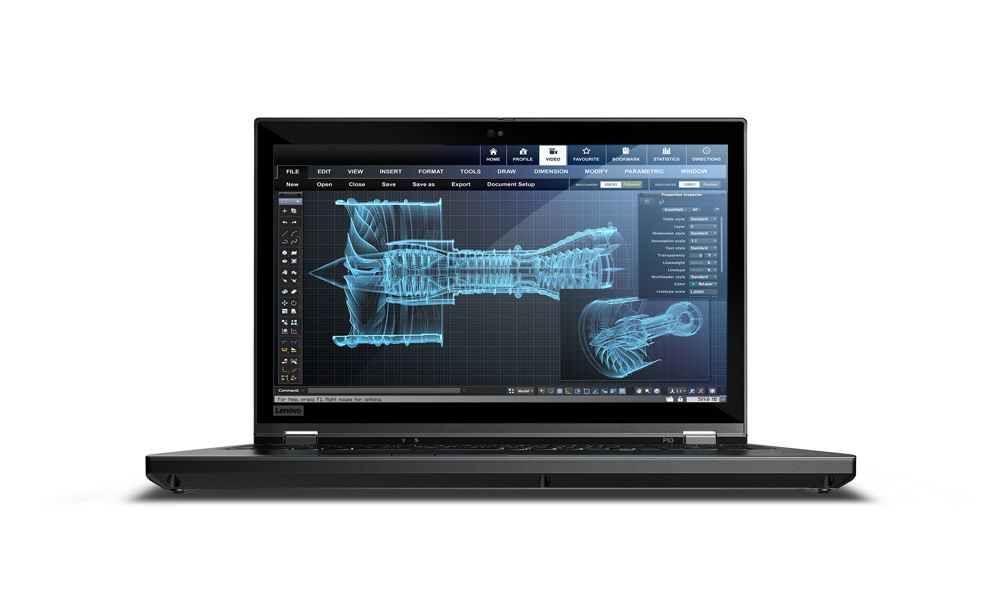

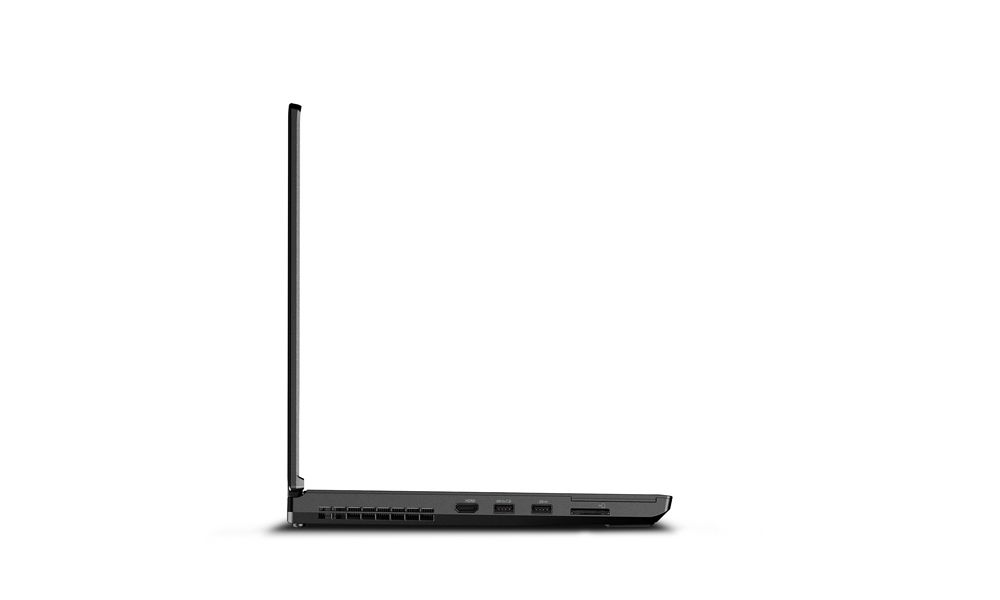
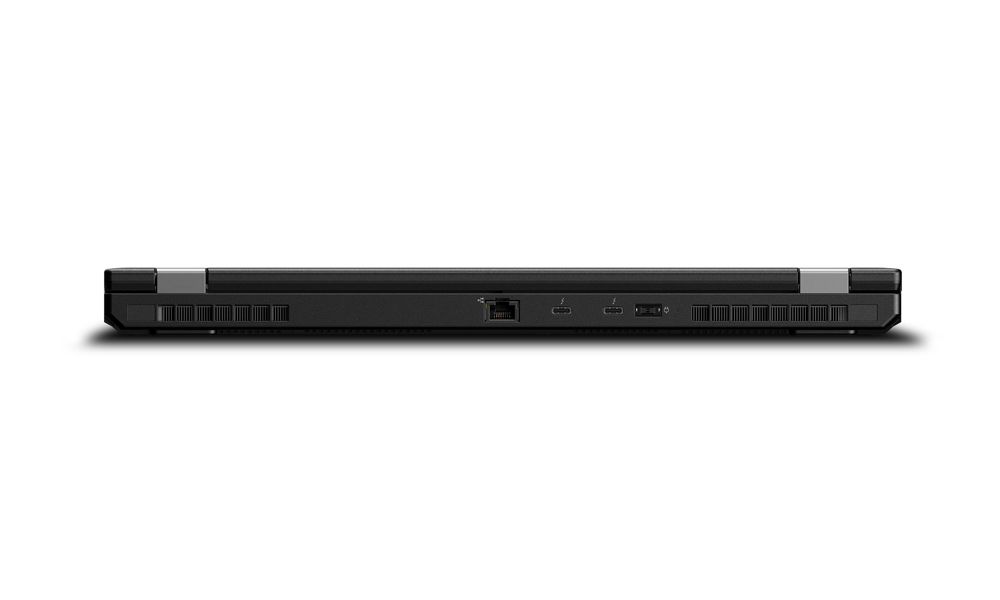
The Lenovo ThinkPad P Series P53 supports DDR4-SDRAM memory upgrades across 4 SO-DIMM slots. The mobile workstation accommodates maximum RAM capacity of 128 GB, with compatible memory operating at 2666 MHz frequency. Specifications indicate SO-DIMM form factor modules for this upgrade configuration. The P53 memory slots enable flexible capacity expansion to meet professional computing requirements.
Memory Upgrade Specifications
| Specification | Value |
|---|---|
| Memory slots | 4x SO-DIMM |
| Form factor | SO-DIMM |
| Memory type | DDR4-SDRAM |
| Frequency | 2666 MHz |
| Maximum RAM | 128 GB |
| Voltage | 1.2V |
| Number of pins | 260-pin |
| Interface | PC4 |
| PC Speed Rating | PC4-2666 (PC4-21328) |
| Bandwidth | 21.3 GB/s |
| Laptop Release date | 19 July 2019 |
Additional Notes
- The presence of 4 SO-DIMM slots implies a dual-channel architecture where memory modules must be installed in matched pairs across specific banks to maintain optimal bus width and prevent throughput degradation.
- Upgrading the LENOVO ThinkPad P53 to the maximum capacity requires the use of high-density 32 GB modules in every slot, which may necessitate a 64-bit operating system to address the full 128 GB range.
- Two of the memory banks are typically located beneath the keyboard assembly, requiring partial chassis disassembly and specialized tools to access for service or expansion.
- Mixing modules with different internal timings or ranks will force the memory controller to default to the slowest common latency, potentially increasing system wait states during heavy data processing.
- The hardware architecture supports ECC or non-ECC variations depending on the installed processor, but these two memory types cannot be mixed within the same system without causing a failure to boot.
- Installing 4 high-capacity modules increases the thermal load within the compact SO-DIMM area, necessitating adequate passive airflow to prevent thermal throttling during sustained memory-intensive tasks.
- Populating all 4 slots provides a substantial increase in overhead for virtual machine hosting and large dataset manipulation by reducing reliance on slower swap file operations on the storage drive.